As technology progresses, video game developers have an increasing need for vibrant scores. What once amounted to mere blips and bloops has now become sweeping orchestral movements and soundtracks of dizzying variety that stretch on for hours. The subsequent opportunities for composers are richer than ever. Absorb these insights from four individuals excelling within this competitive field, and let their words light the way for following in their footsteps.
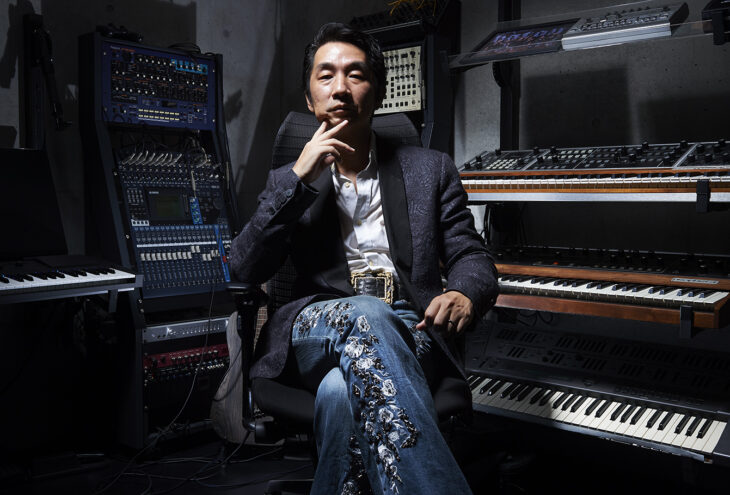
Akira Yamaoka
Web: akirayamaoka.jp
Notable Works:Silent Hill, World of Tanks, Dead by Daylight, Shadows of the Damned
How did you learn composition for interactive media?
I didn’t really learn through formal training. I started by working on games and learning through the process of creating music for them. Especially in my earlier work, I learned a great deal through experimentation and sometimes discovering that something unconventional worked better than what would traditionally be considered “correct.” Another important aspect is that the player is ultimately the one in control of the experience. I believe the sound design should emerge from what the player creates. It should not simply force the player to follow the experience or emotions that we as creators have predetermined.
What is your approach to a particular project? Is it always the same or does it change?
My approach changes depending on the project. I don’t think there is a single method that can be applied to every game, because each project has its own world, themes, visual language, and gameplay experience. Before I start writing, I try to understand what kind of experience the game is trying to create. I look at the story, characters, visuals, game mechanics, and overall atmosphere, but I also think about what role music and sound should play within that experience. It is important not to simply translate what is happening on screen directly into music. If a scene is sad, the music does not necessarily have to be sad. Sometimes creating a contrast, or even leaving space without music, can make the player feel something more strongly. So rather than beginning with the question, ‘What kind of music should I write?’ I often begin by asking, ‘What does this game need?’ Sometimes the answer is melodic music, sometimes it is texture or noise, and sometimes silence is the most effective choice.
Are there skills one needs to effectively compose for games beyond writing music?
Unlike film, a game does not always progress according to a fixed timeline. The player determines the pacing, direction, and sometimes even the emotional experience. So you need to understand how music and sound can respond to something that is constantly changing. Also, communication is extremely important. Game development is highly collaborative, and composers need to understand the intentions of directors, designers, artists, programmers, and sound teams. Sometimes being able to understand what someone is trying to express, even when they cannot describe it in musical terms, is more important than technical knowledge. But technical understanding is increasingly valuable. You don’t need to be a programmer, but understanding game engines, middleware, implementation, interactive music systems, and sound design gives you many more possibilities. Most importantly, you need the ability to think beyond music. Sometimes, the best solution for a game is not a better composition but a sound, texture, silence, or a completely different approach.
What are the paths to getting in?
There are many ways to becoming involved. Some people study composition or sound design formally while others begin by making their own music, working on independent games, creating mods, or collaborating with small development teams. I don’t necessarily recommend one path over another. What I do recommend is making something with other people. Working on a real project teaches you things that cannot be learned through composition alone. You begin to understand deadlines, communication, revisions, technical limitations, implementation, and how your music functions within the game. It is also important to develop your own musical identity. Technology and production techniques can be learned, but what is much more difficult to acquire is your own perspective: why you choose a particular sound, what you find interesting, and what you can bring to a project. So create as much as possible, collaborate, and develop your own voice. Opportunities often come as a result of those things.
Explain the pitfalls in your work.
One of the biggest is becoming too attached to the music. In a game, music is only one element. A piece of music may work beautifully on its own but still be wrong for the game. Another thing I try to avoid is explaining too much. If the music constantly tells the player, ‘This is scary,’ ‘This is sad,’ or ‘You should feel tension now,’ it can actually reduce the player’s ability to interpret the experience. Games are interactive, so it is important to leave space for the player’s imagination and emotions. There are also practical pitfalls. During development, scenes, levels, pacing, and even entire concepts can change. If you become too dependent on an early version of the game, you may end up creating music that no longer works. You need to remain flexible and be prepared to rethink or even discard something you have spent a lot of time creating. Ultimately, the biggest thing to watch out for is forgetting that the music exists for the game, not the other way around. Sometimes, you have to put your ego aside and ask what the player and experience actually need.
In what ways is composing for interactive entertainment evolving?
Composing for interactive entertainment is evolving from simply ‘writing music for a game’ into designing music as a system. In the past, game music was often limited by hardware and memory. Composers had to find creative solutions within those restrictions. Today, those technical limitations have become much smaller, but games have become far more complex. Music can now change dynamically. Because of this, the role of the composer is also changing. We are not only creating finished pieces of music; increasingly, we are designing musical elements that can be combined, transformed, and reconstructed by the game in real time. Technology will continue to evolve. But the interesting question is not simply what new technology allows us to do. It is how we can use those technologies to give more control to the player.
What software do you use?
My main DAWs are Logic Pro and Ableton Live. I use Logic Pro primarily for composing, recording, editing, and mixing, while Ableton Live is particularly useful when I want to approach sound and music in a more experimental or flexible way. Beyond the DAW itself, I use a wide variety of software instruments, effects, and sound-design tools. I don’t have a fixed setup that I use for every project. The tools change depending on what kind of sound and experience the project requires. Software is ultimately just a tool. I try not to let the tools determine the creative direction. I first think about what kind of sound or experience I want to create and then choose the software that can help me achieve it.
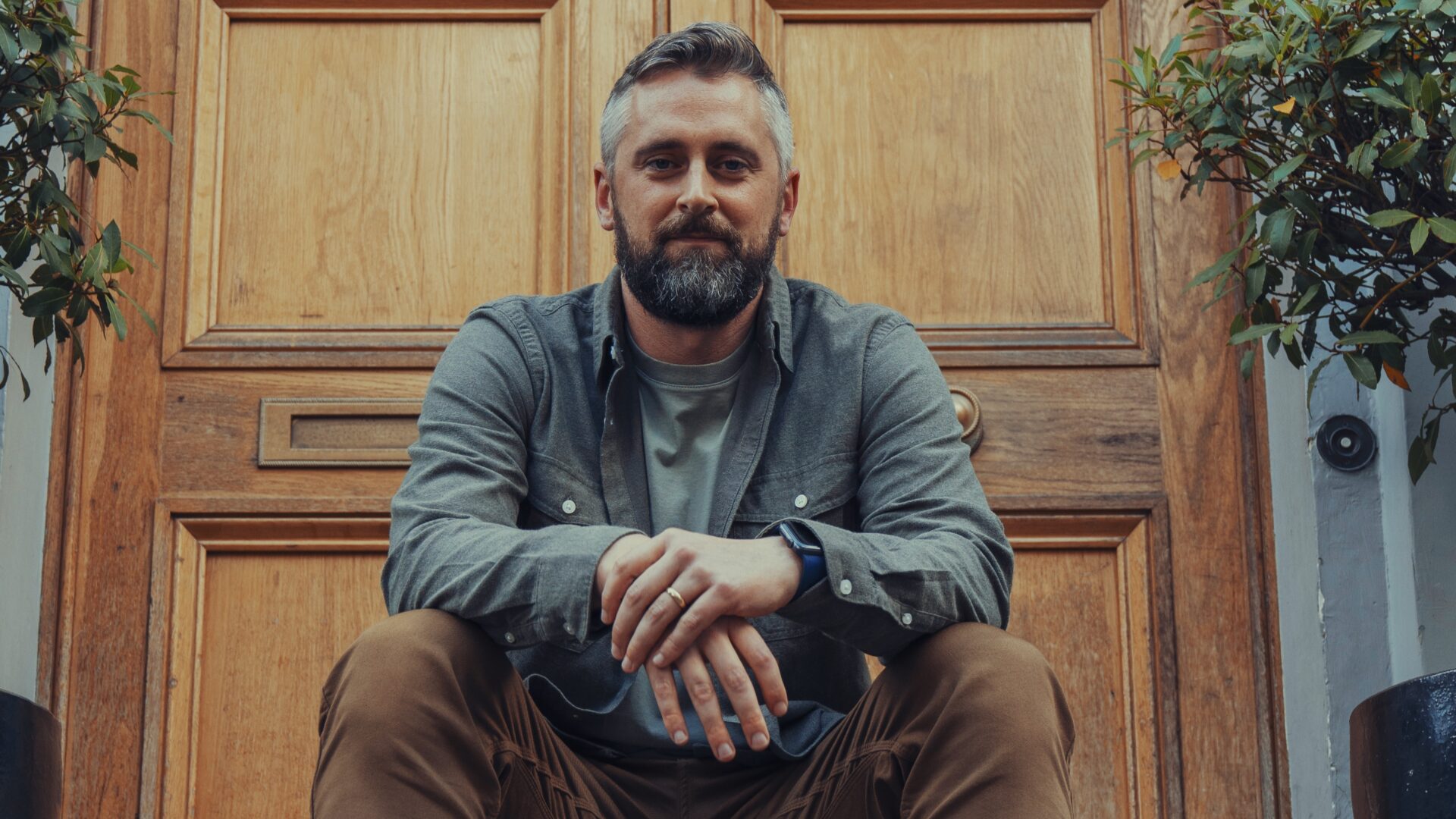
Jon Everist
Web: everistsound.com
Notable Works: Star Wars: Outlaws, The Lamplighters League, The Solitaire Conspiracy
How did you learn composition for interactive media?
Video games sort of propelled me into an appreciation for music. That sent me on a trajectory to making my own. I was taking piano lessons and got fascinated with producing, but I never connected the dots of composing for video games as a profession. I got a job I did not like but was still making music, producing, and even went on tours doing electronica and hip-hop. I had this moment where I needed to try doing music professionally or I’d grow up to be the saddest person on earth. A friend sent me a brochure for a school program with a focus on composition for video games, and it was just a click.
But how do you learn to write for a medium that changes depending on the user’s choices?
I worked on (but didn't complete) my composition degree at DigiPen in Redmond, WA. That was when Wwise was becoming more widely used; it’s this software interface that attaches music to video games. And I was like, ‘The only way I’m going to get hired is if I become an expert in the implementation side.’ That ended up being the best decision. Once you understand how the mechanics function, it influences every aspect. That helped me get my first larger gig, a remake of Shadowrun with Harebrained Schemes. For Star Wars: Outlaws, Will [Wilbert] Roget, the principal composer, and I threw around ideas for how we wanted the music to function. Once we found this elegant system, the ball started rolling. Once I know the rules, I can write functional music that can interact and still be musical.
Do you approach every project the same way? Or do you have to take each on a case-by-case basis?
It’s definitely case-by-case, but my goal is to be involved with a game early. Other times, you’ll come into a project later in the process. For Overwatch, the game has been out for so long, it’s been sort of building on itself. But I still approach the team with ideas that can work within the structure they have. You can attach a module on top and do something interesting.
Working on Star Wars: Outlaws, you’re using John Williams’ score. How do you balance that with being original?
When Will asked me to work on Outlaws, I was like, “Are you sure?” Because mimicking John Williams is very difficult. And you’ll always fall short of what Williams does. Then [Will] explained, ‘We’re painting with the same palette as Williams, but we have a lot of creative freedom.’ We saw there was the ability to speak the language of Star Wars with different compositional choices. We had more of a Star Wars sound during these big moments, but often times you’re on the surface of planets and it gets more gritty and experimental. A lot of synths were used, but those synths are still communicating with this Williams-esque language. Will has a history with Star Wars; he knows these scores inside and out. He set up this document that was like a cheat sheet of how to [put] a bit of Star Wars spice into your arrangements. I studied it for a long time and then had this realization: Williams likes to have fun with the orchestra. That unlocked it for me. Will said, “Don’t try to sound like John Williams. Just have fun and be yourself.” That’s what John Williams does. The colors we were painting with felt like they belonged in the Star Wars universe.
What are the skills you need to write for video games?
There’s the Star Wars: Outlaws stuff, where it’s hugely complex and we’re recording with a gigantic orchestra. But then I’m on a survival horror game set in a dystopian future called GRAFT. It’s a very small team. The budget is nowhere near what Star Wars: Outlaws is, but I have the freedom to do whatever. A key for being a composer in this industry is flexibility and becoming a utility player in terms of how you’re going to help bring the studio’s ideas to life. You have to be versatile. Experiment with sounds and recording techniques, but also understand implementation and how the music is going to function.
What software do you use?
I use Cubase to record everything and Pro Tools for recording session stuff. But part of this process is being able to work within constraints. For this sci-fi horror game, it’s almost all synthetic except we’re going to have some musicians doing aleatoric techniques and then I’m processing those through modular synths. Working on that score, I’m not using Cubase as much. Getting away from my comfort zone has been really interesting. I still use Vienna Ensemble to house my orchestral samples and stuff like that. And Voice Memos on my phone is also important.
What are your recommendations on getting in?
I got lucky in terms of the network I made going through school. Those things are important – establishing real, true friendships with people whose work you admire. I’ve known Will for probably over 10 years now. I never approached our friendship with the idea of him doing something for me. I want to learn from him, but more than that we’re buddies. Keep at it. If it feels like it’s not going well, don’t be afraid to put it on pause and come back later.
Explain the pitfalls in your work.
You have to be really good at managing your time. Every minute in front of your computer or writing desk, you’re developing ideas. Maybe you’re thinking of melodies while cleaning your house or going to the gym. Eventually, that due date will come and you have to be really efficient. Also, take care of yourself. I can’t write music if I haven’t slept, eaten well, worked out, and done something that made me a fuller person.
In what ways is composing for video games evolving?
The landscape is much different than when I started. We have record profits but also a lot of studio closures and uncertainty. Ultimately, the video game industry is strong. I’m starting to see hints of studios getting back on their feet and publishers unlocking money for smaller studios. If anybody thinks it is doom and gloom for video games, hold on.
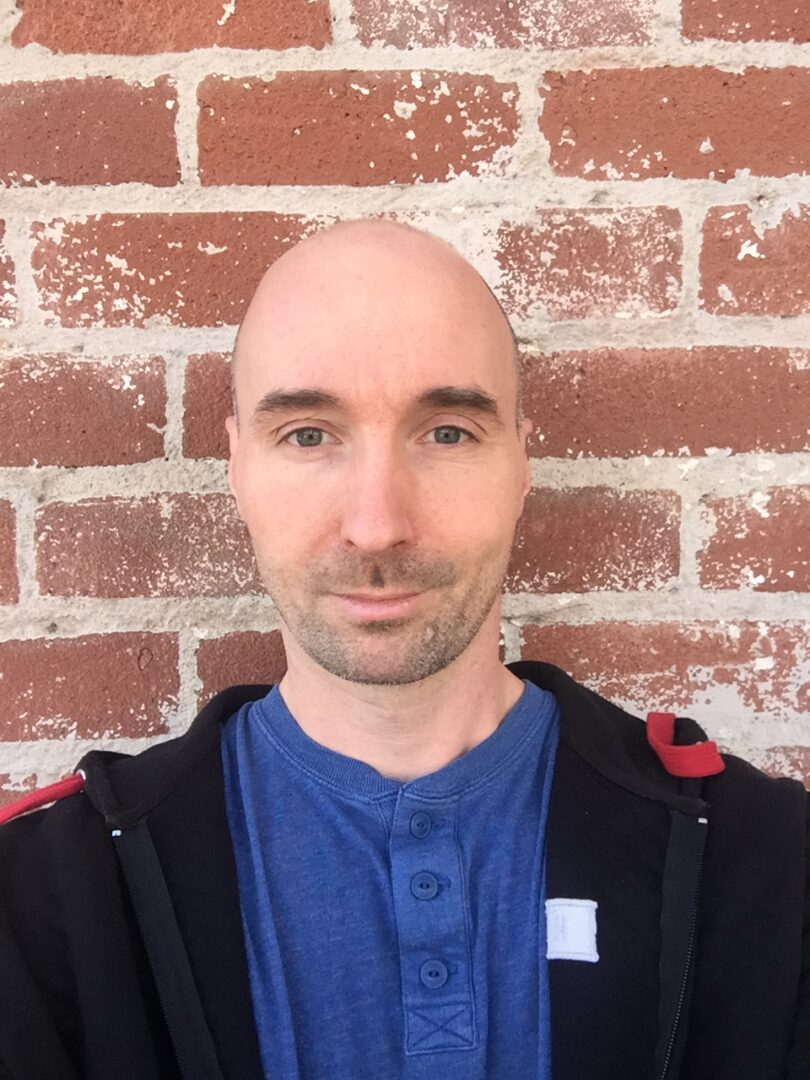
Niels Bye Nielsen
Web: byelye.com
Notable Works: Hitman, Ratchet & Clank, PlayStation Move Heroes
How did you learn composition for interactive media?
A wonderful composer and friend, David Bergeaud, took me under his wing. We worked on quite a few projects together, the most famous being the Ratchet & Clank franchise. The best way to learn is by doing, and David threw me headfirst into the deep end. When I started Hitman almost two decades later, game technology had changed and evolved quite a bit. What was once a single, loopable track of two minutes had become numerous layers, expressing varying levels of intensity with context-aware stingers thrown on top. I threw myself into the deep end and somehow managed to keep up.
What is your approach to a particular project? Is it always the same or does it change?
It changes every time. It might even change within the same project. Hitman is a great example: although we could have scored each level using similar music representing the point of view of 47 [the game’s protagonist], we decided to tell the stories of the geographical locations 47 would visit. Maybe the player just sees a mansion or a field, but the music will try to give that location a bit of soul. Who lived in that mansion? Who works in that field? Sometimes, this means researching the indigenous music of that location and then infusing the score with some of those elements. There’s no roadmap. It feels different every time, which is both exciting and a source of stress.
What are the skills you need to write for video games?
Patience is a prerequisite. Projects can run for years. If you’re easily bored, write music for commercials. That’s 30 seconds of music they want delivered in 24 hours. And [with video games] you’ll be dealing with the same people day in, day out. Establishing good relations is going to make your life a lot easier. Thankfully, the video game industry is populated by a lot of brilliant and wonderful individuals, so making friends is not difficult. Another skill specific to video games is that much is left to the imagination. As a composer, you have to fill in a lot of blanks.
What paths are available for getting in?
Have an open mind, and never say no to a job opportunity. I’ve accumulated a wealth of knowledge of and appreciation for all music. I’ve learned on the job, sometimes with my heart beating double-time and an acute need for a change of underwear, but I can’t think of a situation where knowing more has been anything other than an advantage. Among the jobs I’ve accepted are student films, videos made for babies, internet cartoons, sports documentaries, music for stage plays, arrangements for musicals, arrangements for records, a ton of commercials, TV shows, a couple of movies, and a fair amount of video games.
Explain the pitfalls in your work.
Overwriting is top of my list. It’s easy to get caught up in simply composing rather than composing for a media that often does not support a ton of musical information. If the player has to spend an extended period of time listening to the same two-minute loop, however cleverly constructed, it will get annoying.
In what ways is composing for video games evolving?
I feel strongly that AI can’t replace human creativity. After spending time with an AI music generator, I’m more certain than ever that humans are still king of the hill in the realm of creativity. I believe people will simply prefer to work with other people. As a tool, AI can be great, and hopefully we can strike a sensible balance. Likewise, I believe the audience will appreciate the difference between human ingenuity and AI.
What software do you use?
I’ve been a Logic user since Emagic launched it. Kontakt runs 90% of my samples.
Zebra 2 and Omnisphere seem to take care of the synth-y elements. I also use a ridiculous amount of sample libraries to form my current orchestral palette.
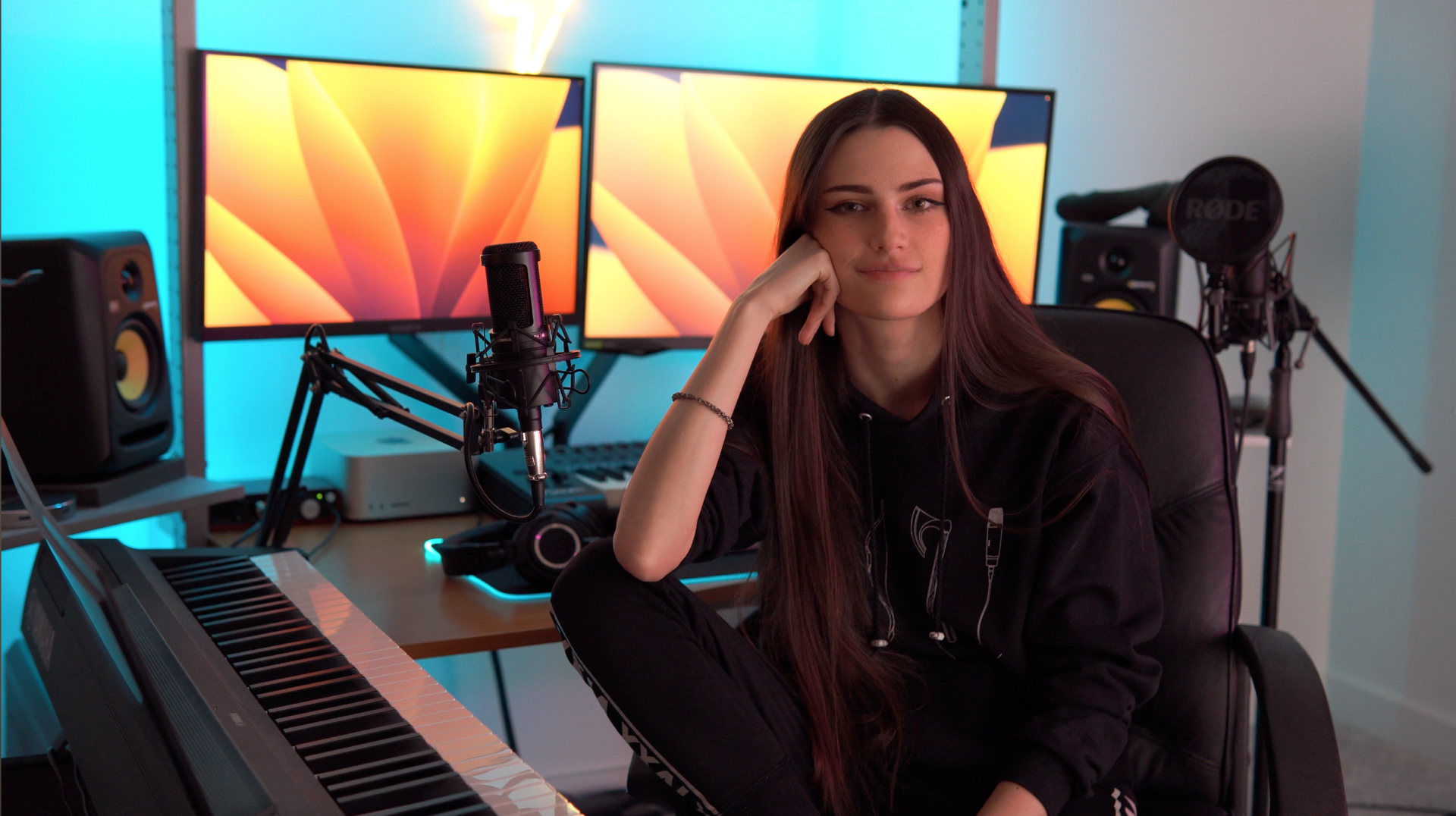
Rachel Hardy
Web: rachelhardymusic.com
Notable Works: Aliens: Fireteam Elite 2, BitCraft Online, TerraStorm
How did you learn composition for interactive media?
I learned from doing. I said yes to projects, even though I didn’t know a lot about writing music for games. I was excited to try. There’s so much information out there that you can learn on your own, so that’s what I did.
Do you approach every project the same way?
I try to get into projects as early as possible for brainstorming and immersing myself in the materials. And then it’s establishing themes and palettes, that kind of thing. That’s the foundation for the rest of the score. The stronger a foundation you build, the easier the rest of the score will come. A majority of my projects are kind of a reflection of things I’m inspired by or interested in at the time. You can find inspiration anywhere. It could be a trip, a performance, or genres outside of orchestral music. I’ve been into techno-pop recently and found a lot of inspiration in that.
Maybe the developers want you to do something, but you try something different and that becomes part of the game.
Definitely. I had the pleasure of working with Austin Wintory on BitCraft. I learned from him how to communicate with developers in a way that’s collaborative. That’s a skill you need to develop. You’re interacting with people who don’t know musical terms or how to describe the sound they want.
What software do you use?
I’m a Logic Pro user. I’ve worked with all kinds of DAWs, but that’s my go-to. And I dive into middleware quite a bit. That is useful for composers, so Wwise is another program I use a lot.
What are the paths to getting in?
There are a million. Everyone who’s a full-time composer for games has a different journey. But there are things you can do. Make meaningful connections. It’s a small industry. At least half my jobs come from the same five clients. And a lot of work comes from people I’m connected with as friends. Being curious and excited to learn is a huge asset.
Explain the pitfalls in your work.
One that took me a while to learn is not getting too attached to your music. You have to make a lot of changes and sometimes throw things out. Also, there are a lot of cancellations. Be prepared for some heartbreak. Maybe you write a killer melody, but it’s distracting from the story. You’ve got to do what’s best for the game.
In what ways is composing for video games evolving?
That’s tricky to answer, because I’ve been in the industry for less than 10 years. I haven’t personally seen a ton of evolution. I didn’t get to see it evolve from chiptunes to where we are now. But I’ve seen middleware change what’s possible. It’s also cool to see composers and developers pushing the boundaries. Austin Wintory, Tripod and Montaigne did an interactive musical called Stray Gods a few years ago. As far as I know, nobody had done that before. That’s an instance where music gets to shine as the main character. League of Legends put out a season of Teamfight Tactics called Remix Rumble where the team members have different genres. The music would remix depending on your team, which made the player experience unique. Stuff like that makes me excited to see how developers and composers will embrace what’s possible and take it to the next level.