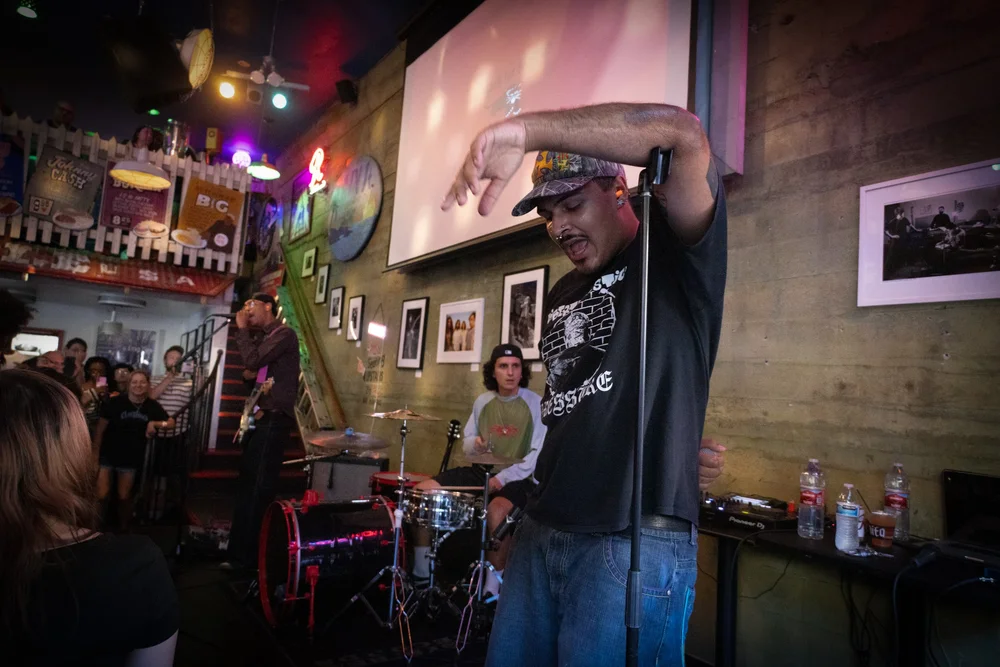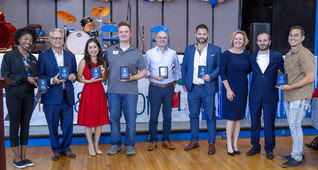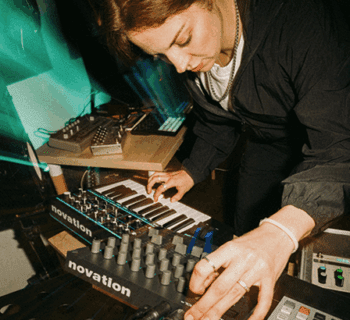
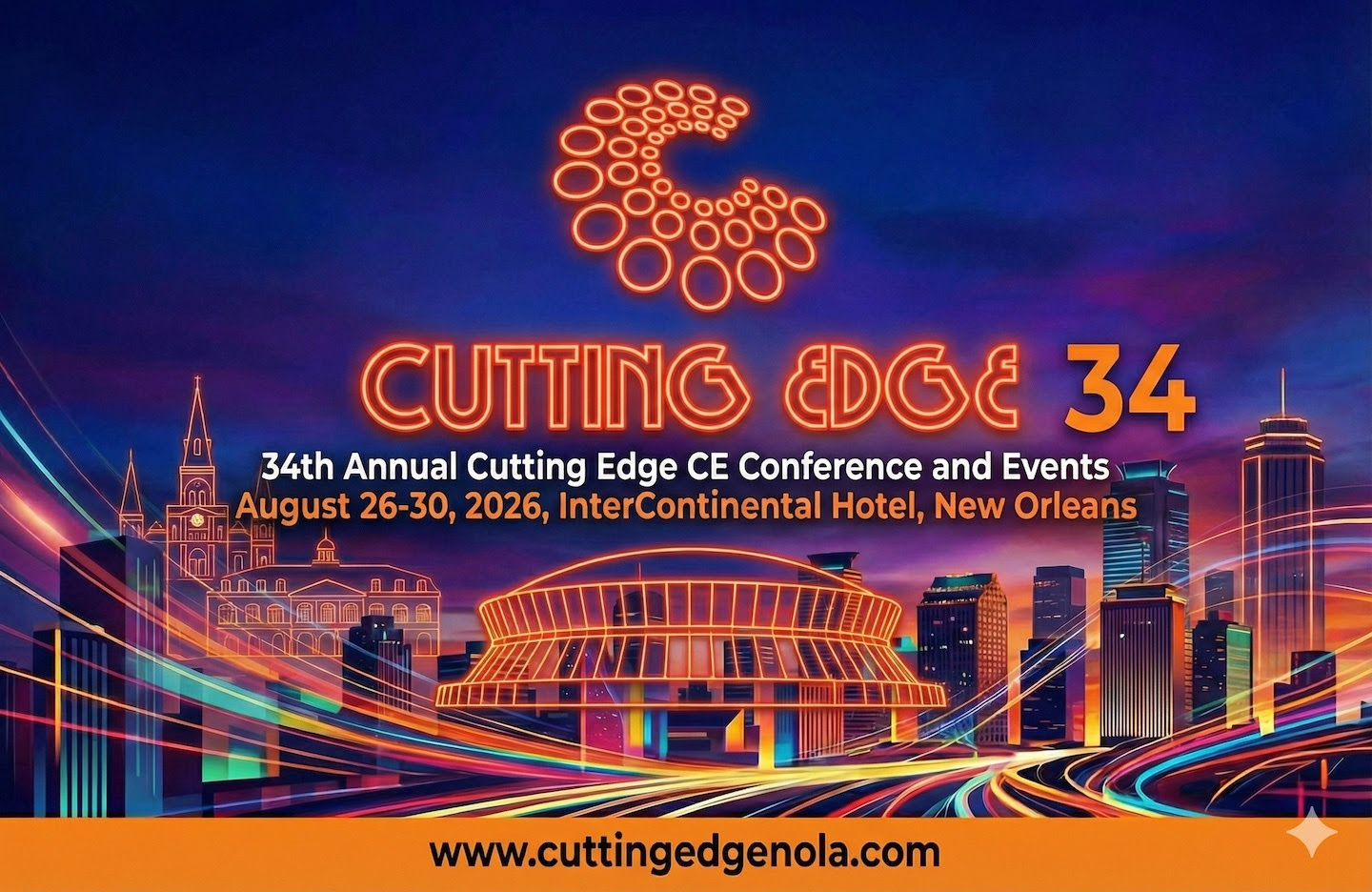
If you’re anywhere near New Orleans this August, the 34th Cutting Edge Conference is shaping up to be a full-on cultural summit where legacy meets the next wave.
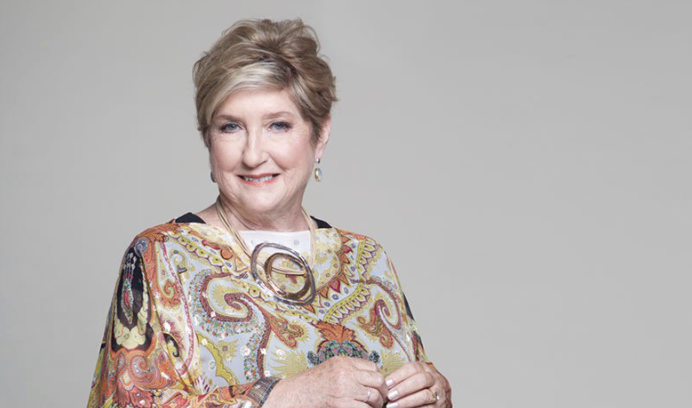
This year’s spotlight lands squarely on Dottie Belletto, a name that, in New Orleans, carries real weight. As President & CEO of NOCCI, she’s spent decades quietly engineering the city’s biggest moments—and not just on stage.
Belletto will receive the 2026 Trumpet Award for Cultural Leadership, and honestly, it feels like overdue recognition. She’s credited with transforming the Bayou Classic into the most-attended HBCU classic in the country, but that’s just the headline stat.
The real story is in the off-hours: mentorship through NOLA for Life, advocacy for underserved communities, and relentless support for HBCUs across the South. As the release puts it, she’s being honored for “leading with heart, lifting others up, and leaving New Orleans better than she found it.”
The award goes down August 28 at the New Orleans Jazz Museum—and yes, it’s free, which feels fitting for someone whose impact has always been public-facing.
Cutting Edge’s Songwriters Camp isn’t playing around this year. The coaching roster reads like a genre-hopping fever dream—in the best way.
You’ve got Paul Sanchez (Cowboy Mouth), a New Orleans lifer who rebuilt his career post-Katrina and still racks up songwriting awards like it’s routine. Then there’s David Catching, the Rancho de la Luna mastermind who’s worked with everyone from Queens of the Stone Age to Arctic Monkeys—AKA desert rock royalty.
On the more contemporary side, GRAMMY-nominated producer Sir Charles brings serious hitmaking credentials (Cardi B, SZA, Chris Brown), while artists like Natalie Price add a newer, emotionally-driven songwriting lens.
And that’s the thing—this isn’t just a camp. It’s a collision of perspectives: legacy New Orleans soul, Joshua Tree psychedelia, Atlanta-bred production polish, and indie-folk introspection all crammed into the same creative rooms.
Beyond the music-making, Cutting Edge leans into something most conferences avoid—honest conversations about how the industry really works in 2026.
Panels dive into everything from A.I.’s growing role in music production (and where it still fails) to the economics of “owned audiences” and superfans. There’s even a session bluntly titled “How to Not Be Held Hostage by the Sound Engineer”—which, if you’ve ever been in a studio, probably needs no explanation.
One standout theme: the pushback against fully automated creativity. As one session frames it, there’s a renewed focus on “the human element—performance, presence, and what A.I. cannot do.” In other words, vibes still matter.
A lot of conferences promise access. Cutting Edge feels more like immersion.
"Getting past the noise clutter in the music industry, as in life, it take relationships, relations leads to introductions, which leads to collaborations. Cutting Edge is a conference structured to foster relationship," said Eric Cager.
Between late-night showcases, songwriting rooms that actually produce finished tracks, and panels that don’t sugarcoat the business, it’s built for people who are either already in it—or serious about getting there.
And anchoring it all with someone like Belletto—who’s spent a lifetime building the infrastructure behind the scenes—grounds the whole thing in something real.
If Cutting Edge 2026 proves anything, it’s this: the future of music isn’t just being streamed—it’s being written, debated, and built in rooms like these.
Register here.