
There’s a difference between writing songs and needing to write them. On Kiss the Sun, Asal makes that distinction clear, turning a year marked by loss, change, and quiet self-reckoning into her most personal and fully realized project to date. The 22-year-old artist, already known for her blend of dark pop and emotional precision, leans into something deeper here—an album shaped not just by sound, but by everything that happened around it.
Released May 29, the self-recorded album arrives with the quiet confidence of someone who’s stopped waiting for things to make sense and started making meaning anyway.
“I became obsessed with this idea,” Asal says of the phrase that inspired the album’s title. “We have a phrase for being sun kissed, but we don’t really have a phrase for kissing the sun back.” What started as a passing comment during a European summer—someone telling her she looked “sun kissed”—unraveled into something bigger, something almost mythic. “Instead of always waiting to be ‘sun-kissed,’ maybe we should kiss the sun back. Maybe we should give something back and show love first.”

That philosophy sits at the core of Kiss the Sun, but it didn’t come easily. The album was written in the aftermath of profound personal loss—most notably the death of her father—while Asal was still in motion, mid-tour, mid-life, mid-everything. “The songs that became Kiss the Sun were really just me journaling through all of it,” she explains. “I was trying to understand my life through music.”
And unlike past releases, she didn’t hide behind studio polish or collaborative distance. She went inward—literally. “There wasn’t much studio involved. For this project I went back to the way I started making music. Alone in my home setup,” she says. “Instead of journaling in a notebook, I’d open a session and write songs.”
That isolation shows up in the music—not as emptiness, but as intimacy. You can hear the breath between lines. You can hear someone choosing honesty over perfection in real time. “Being vulnerable is one of the hardest parts of being an artist,” she admits. “You have to tell the truth, but you also have to find a way to transform that truth into something people can carry with them.”
That transformation—pain into something livable—is where Kiss the Sun really lives. It’s not a grief record in the traditional sense. It doesn’t linger in sadness for the sake of it. Instead, it shifts constantly, moving between melancholy and something close to euphoria. Or as Asal puts it, “not fully happy, not fully sad.”
The album’s lead single, “winters gonna come,” offered an early glimpse into that emotional terrain: stark, haunting, and quietly expansive. But it’s the full project that reveals the scope of what she’s built—something cinematic but deeply personal, shaped as much by her own memories as by her discovery of pre-revolution Iranian psychedelic rock.
And then there are the details that make the project feel almost archival. “My mom’s voice is on it. My dad’s voice is on it,” she shares. “And the final song includes a snippet from the first song I ever wrote when I was seven years old.” It’s less a collection of songs than it is a timeline—past and present folding into each other in real time.
Even the process became part of the emotional weight. “I actually changed mixers three times because I cared so much about getting the sound right,” she says. “This project felt too personal to take shortcuts.” That level of control wasn’t just technical—it was emotional. “I realized I love being hands on. I love pushing the buttons myself. It makes me feel closer to the music.”
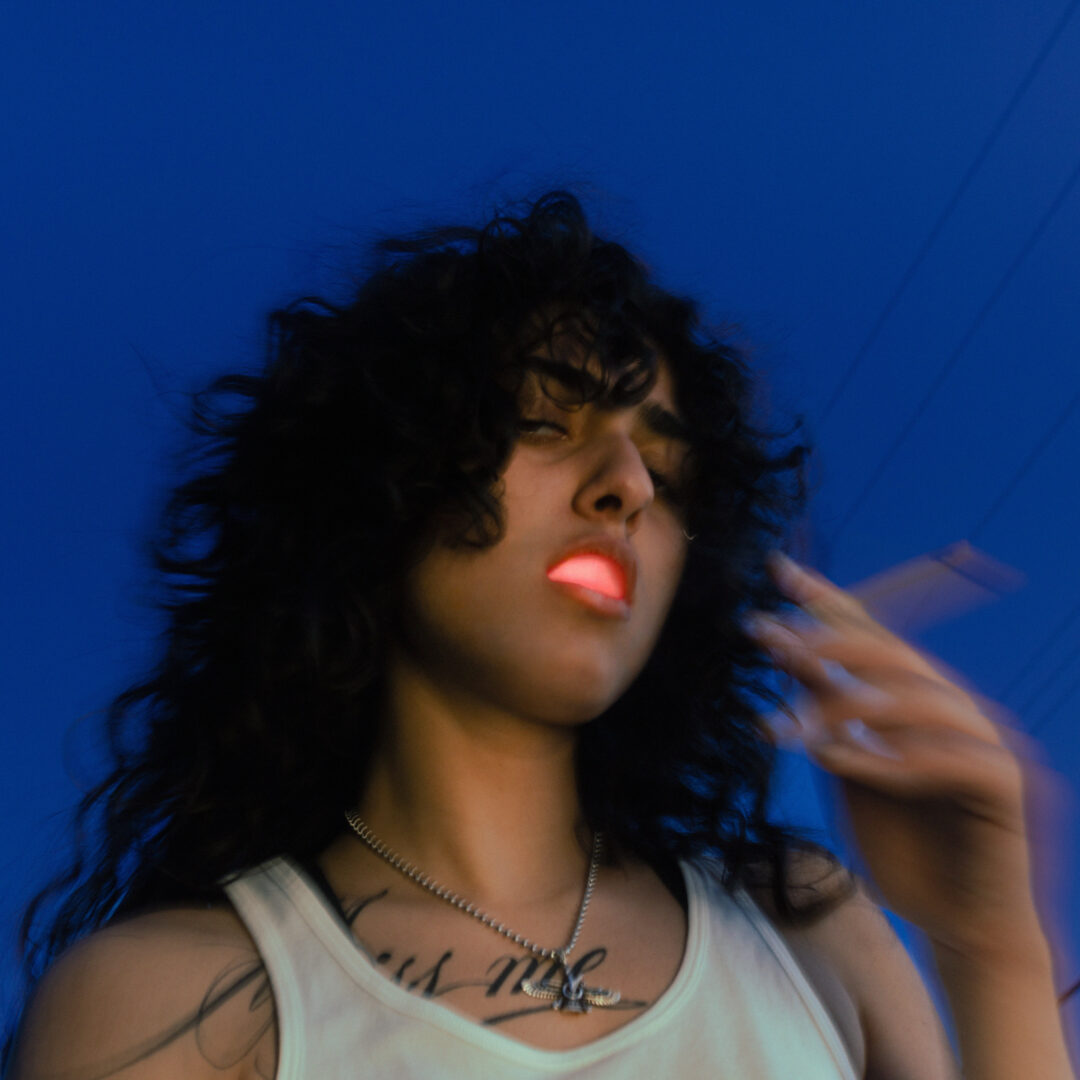
That closeness is especially evident in the final stretch of the album, where Asal steps even further into her own authorship. “I’m especially excited about the last two songs because I produced them myself and [I’m] singing Farsi for the first time,” she says. “There’s something really special about building a song from the ground up and then sharing it with people.”
At its heart, Kiss the Sun is about contradiction: grief and gratitude, loss and love, darkness and light coexisting without canceling each other out. Or, more simply, “learning how to dance with fire without getting burned,” as she puts it. “It’s about remaining loving when life gives you reasons to not.”
And that’s what makes the album land. It doesn’t try to resolve anything too neatly. It just offers a way through. “I hope people take a little bit of light away from it,” Asal says.
With the album’s release, Asal is set to take these songs on the road, with European dates nearly sold out and U.S. headline shows on the horizon this fall. But even as things scale up, her focus is staying rooted in the same place that made this record resonate.
“The next chapter is about building something even bigger while staying true to the honesty that inspired Kiss the Sun,” she says. And with that foundation in place, we’ll be waiting to see where Asal takes this honesty next.
Kiss the Sun is out now, listen here.
Photos by Sam Pilson