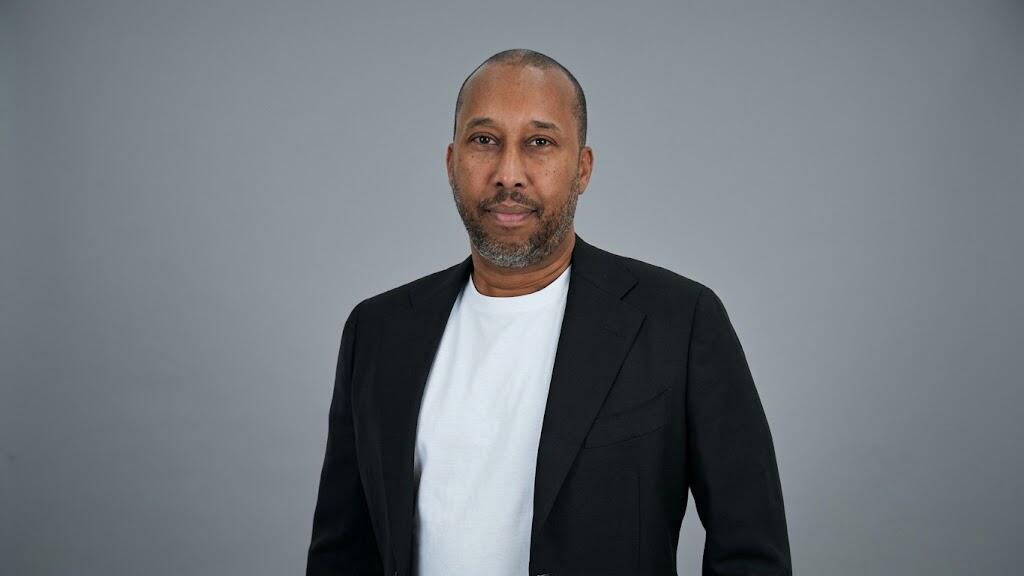
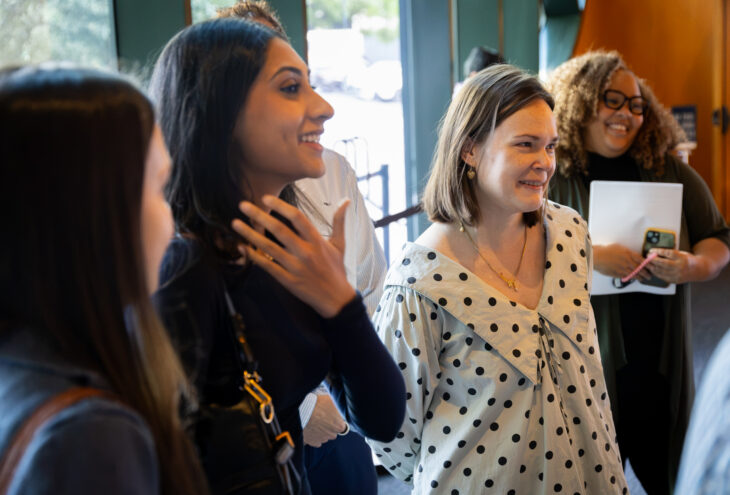
Pictured above: L-R: Enjana Vishnubhotla, ASCAP Senior Director, Film & TV / Visual Media Amanda Shoffner, ASCAP Film & TV/Visual Media Coordinator Nakita West
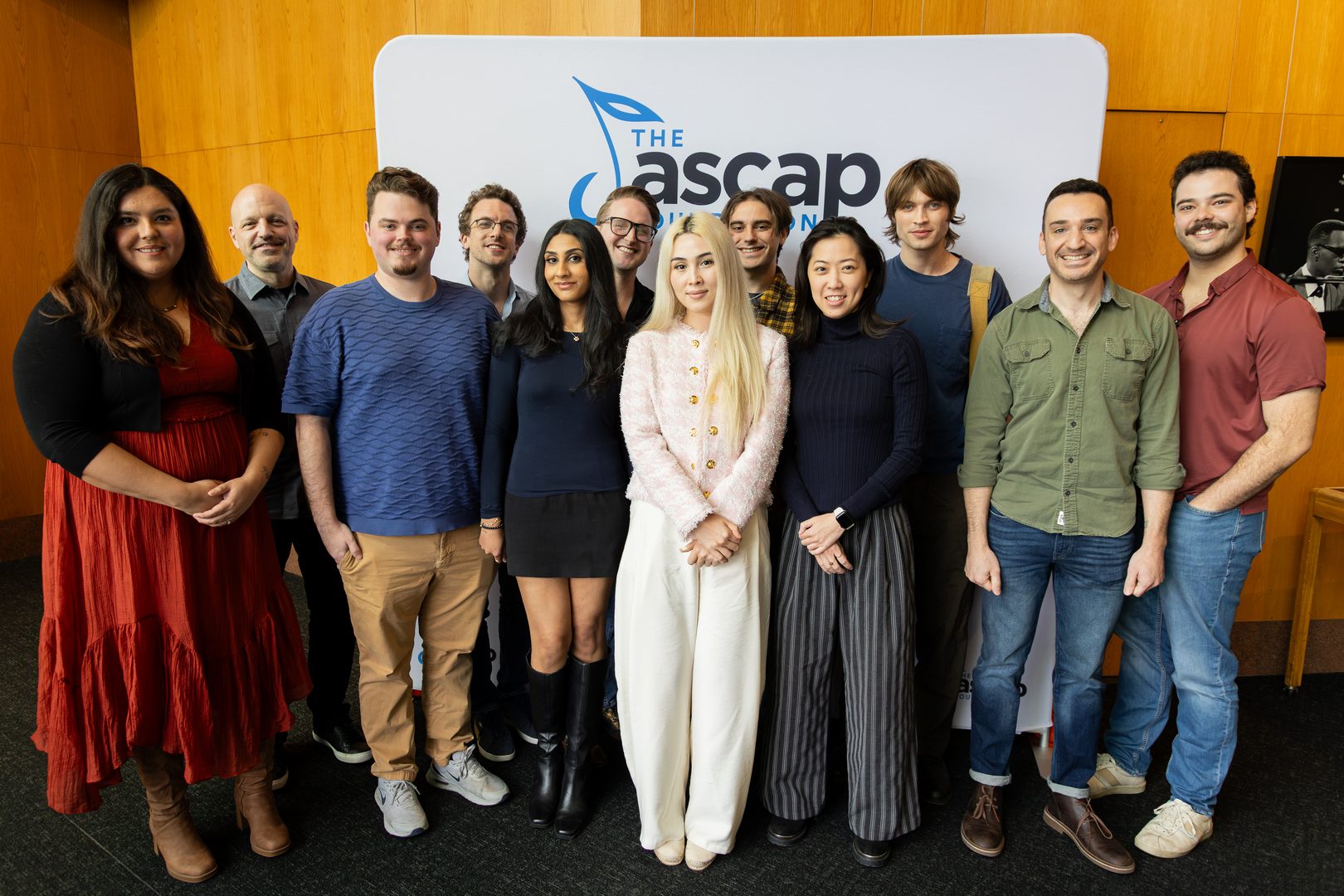
Participants: Shao Jean Sim, Stephen Bennett, Rory Gesner, Miles Clark, Pietro Milanesi, Anjana Vishnu, Riley Hodges, Dana Zulpykhar
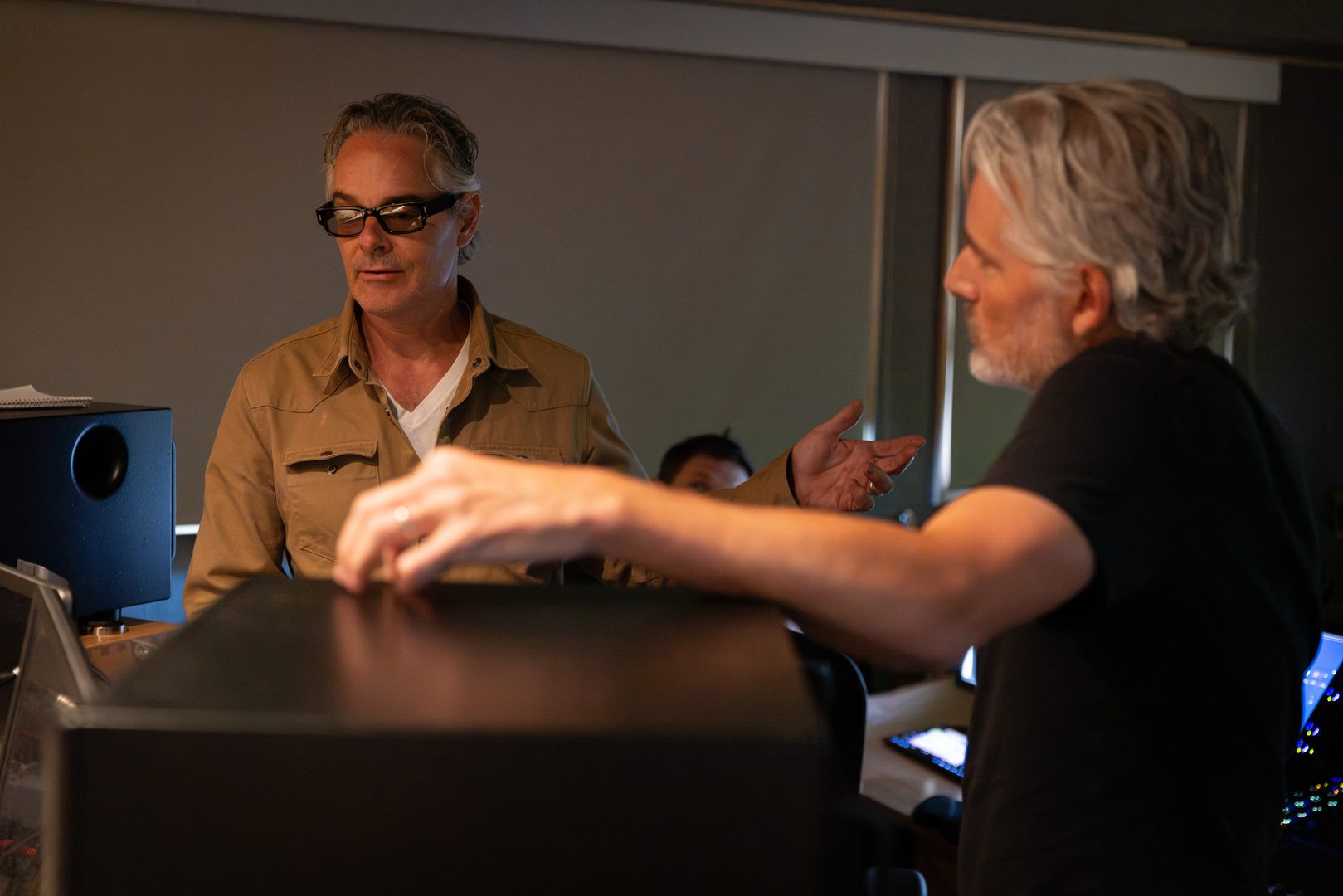
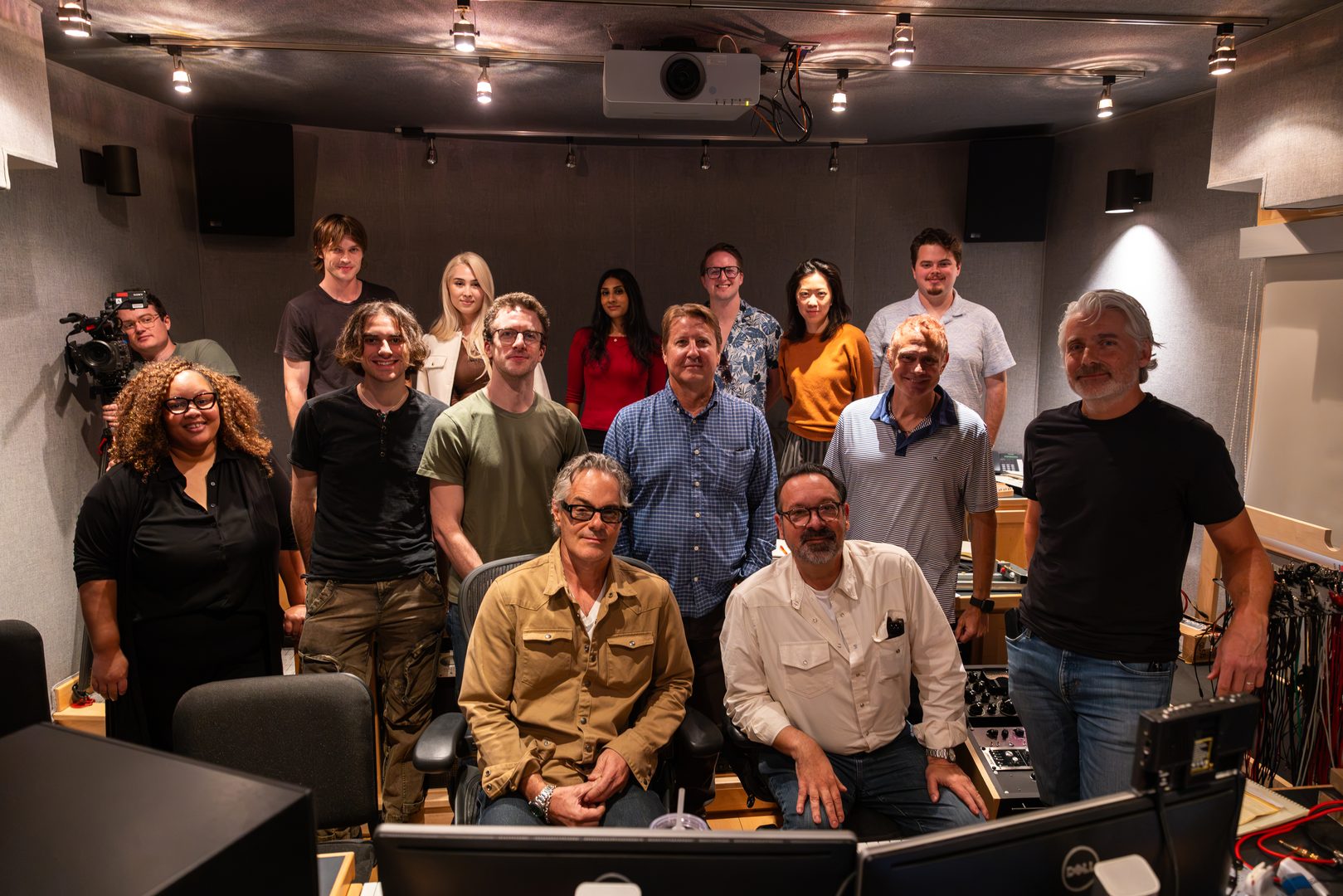
For the first time in six years, the ASCAP Foundation returned to Los Angeles for a reinvigorated Screen Composers Bootcamp (previously held on the East Coast). Eight aspiring composers (selected via respected mentor and teacher recommendations) took part in a 30-day film scoring immersion program, mentored by Emmy-winning composer Marco Beltrami (Scream, The Hurt Locker, 3:10 to Yuma, Free Solo) and co-composer Buck Sanders, with Mick Giacchino, Amie Doherty and Jeff Toyne also offering industry advice.
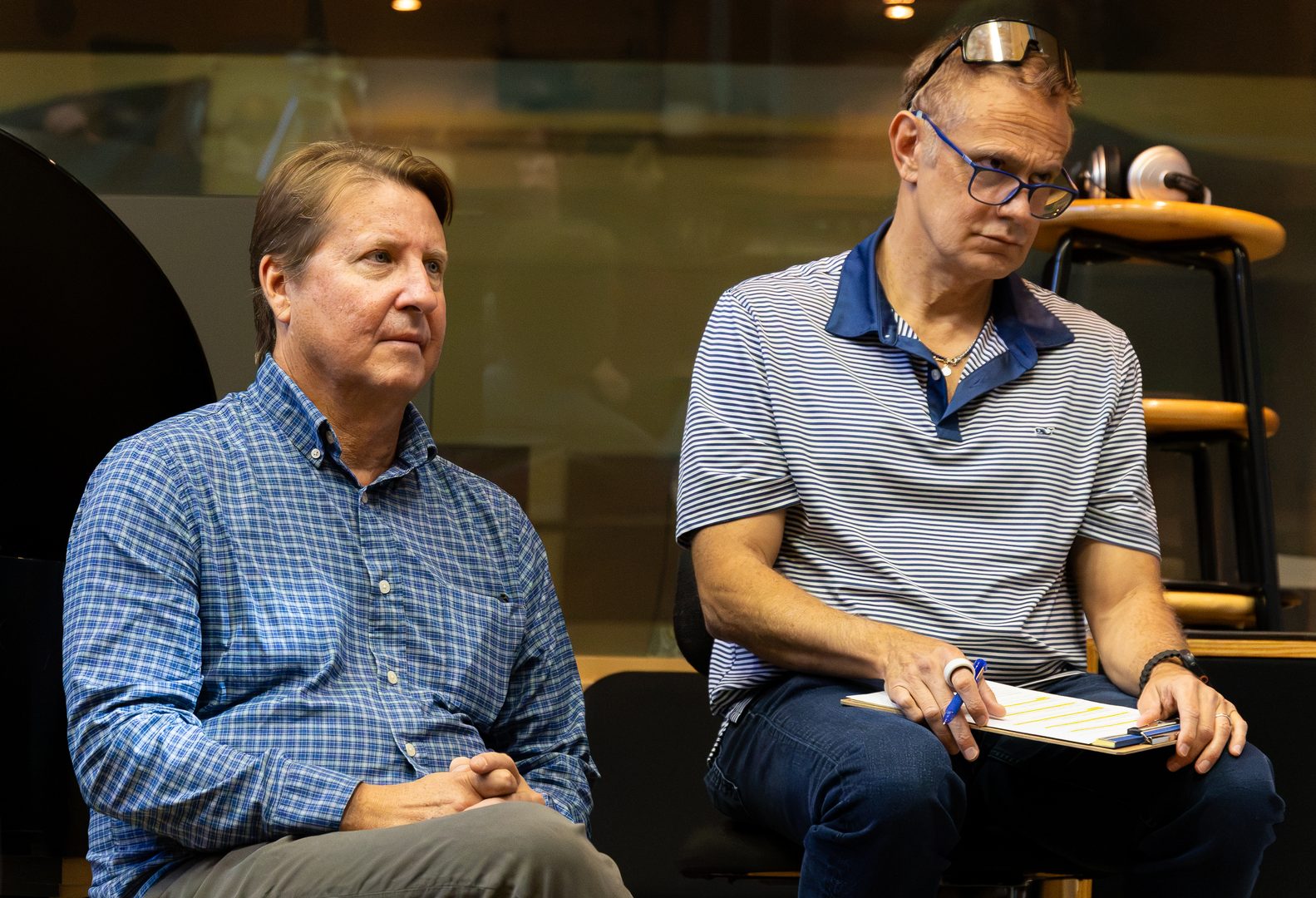
“This whole experience was life-changing and I think it was truly thanks to all the work that you (the ASCAP Foundation team} put into scheduling this, said Rory Gesner. "It could not have been more efficient and essential. Every week was so dense, the resources we got to experiment with and learn from—Marco, Buck, Tyson, and everyone. It was truly amazing and I am so grateful for how much care and effort you all put into this – Jennnifer, Amanda, Michael, Shaun – thank you so much."
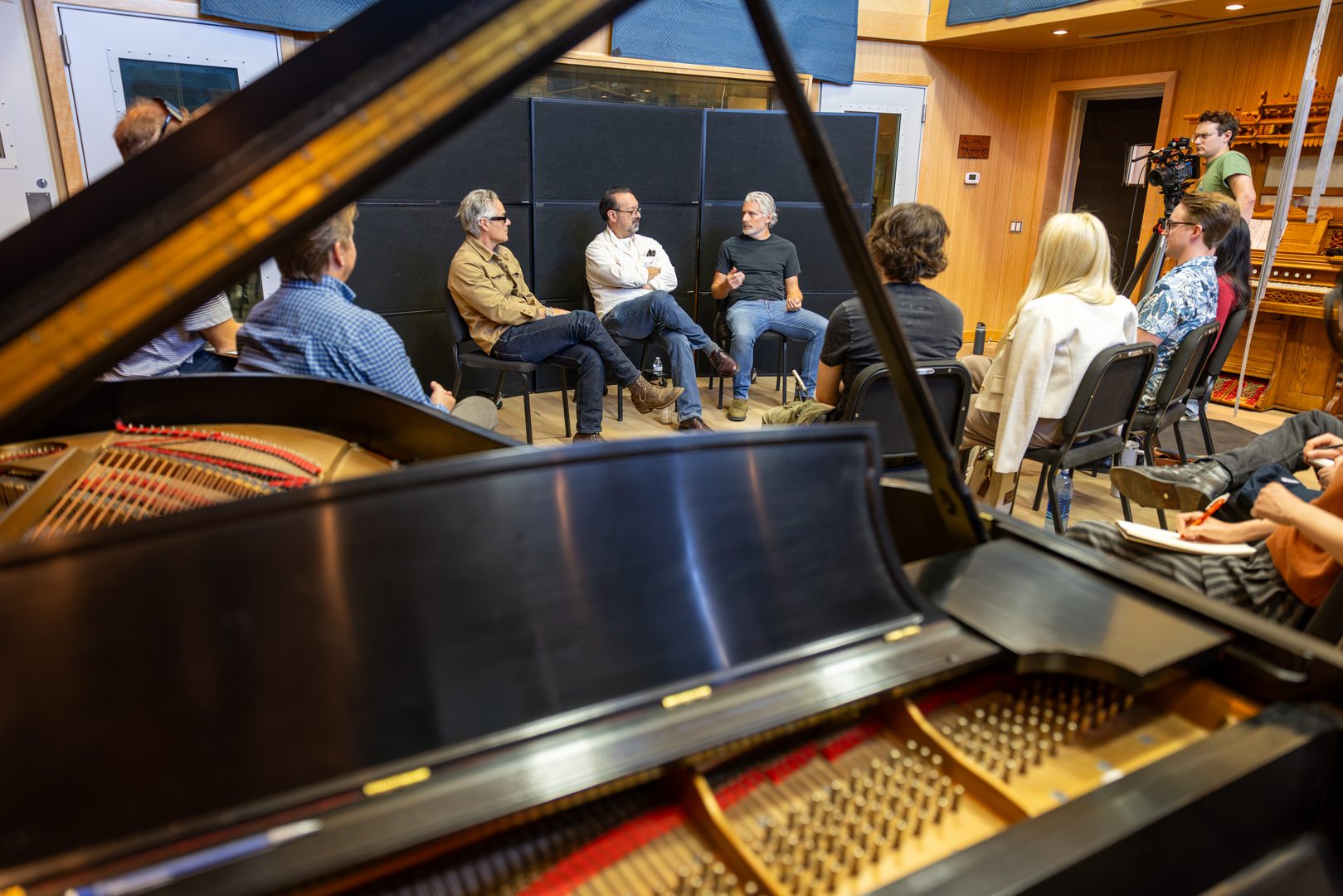
The five-week camp included meetings with film executives from Kraft-Engel Management, 20th Century Studios, Apple TV+ and Netflix, a visit to the Hollywood studio of Didier Lean Rachou (Gold Rush, Deadliest Catch) at his Hollywood studio, with each of the participants having an opportunity to work on scoring an original cue at Beltrami’s Malibu studio. The cohort was split into two groups, with one scoring a cue to the opening scene from Logan, and the other scoring a cue for 3:10 to Yuma scene introducing Ben Wade (Russell Crowe) outlaw sidekick Charlie Prince (Ben Foster).
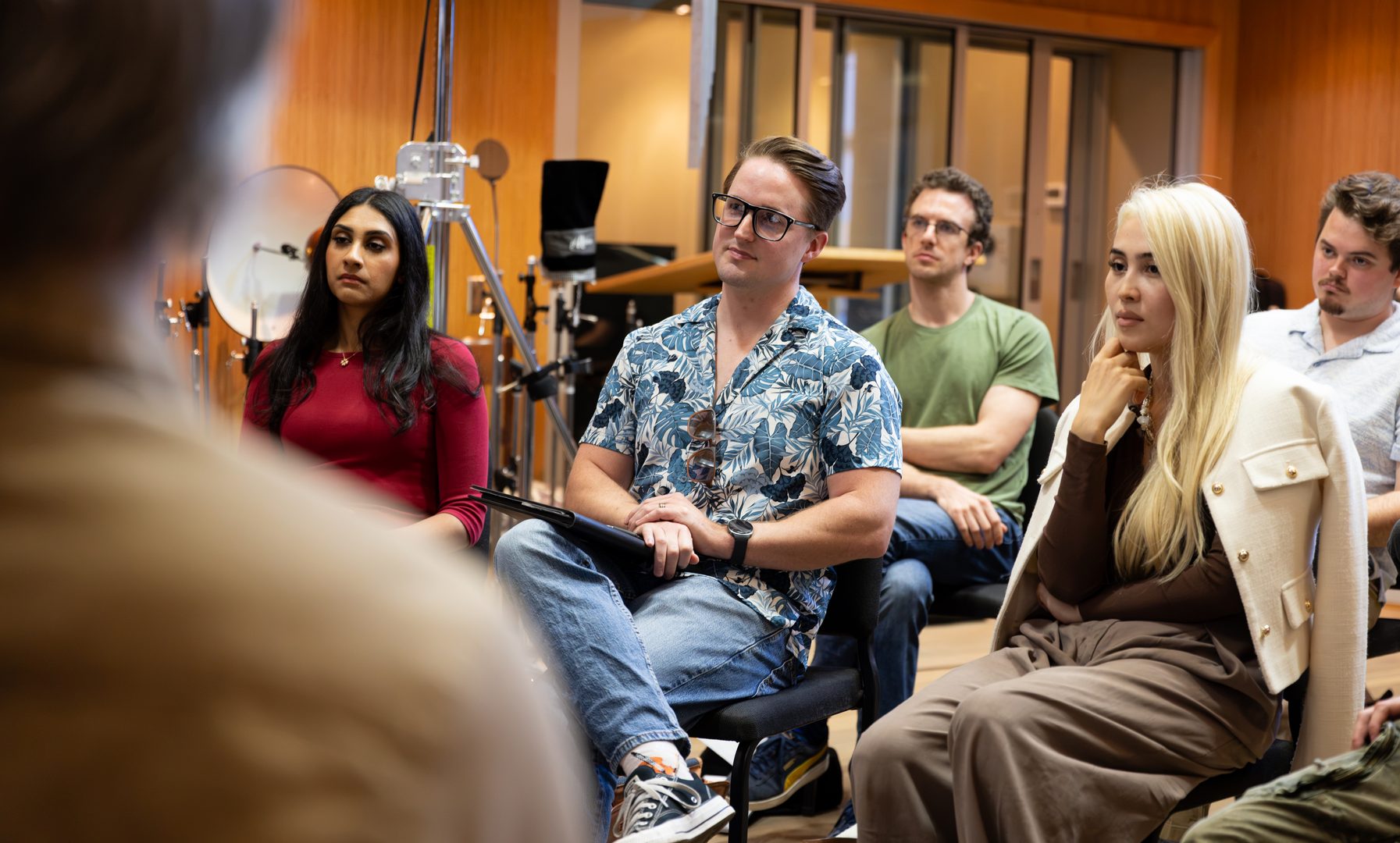
“How often can you be put in a room with 25 Netflix execs?" asked Stephen Bennett. "That is never going to happen. It was an incredible experience and helped us gain skills around how to communicate in that environment.”
Cue recordings took place over two days and included seven session musicians. The first session centered around building ideas for sampling, with participants being able to enlist two guitarists and a cellist for pre-production layering, while session two involved recording their complete cue with two guitarists, two cellists, an upright bass, harmonica and percussion (including some musicians from Beltrami’s original score, and Beltrami’s son—recently nominated for a score-documentary HMMA for work on The Truth and Tragedy of Moriah Wilson—who lent session support on guitar).
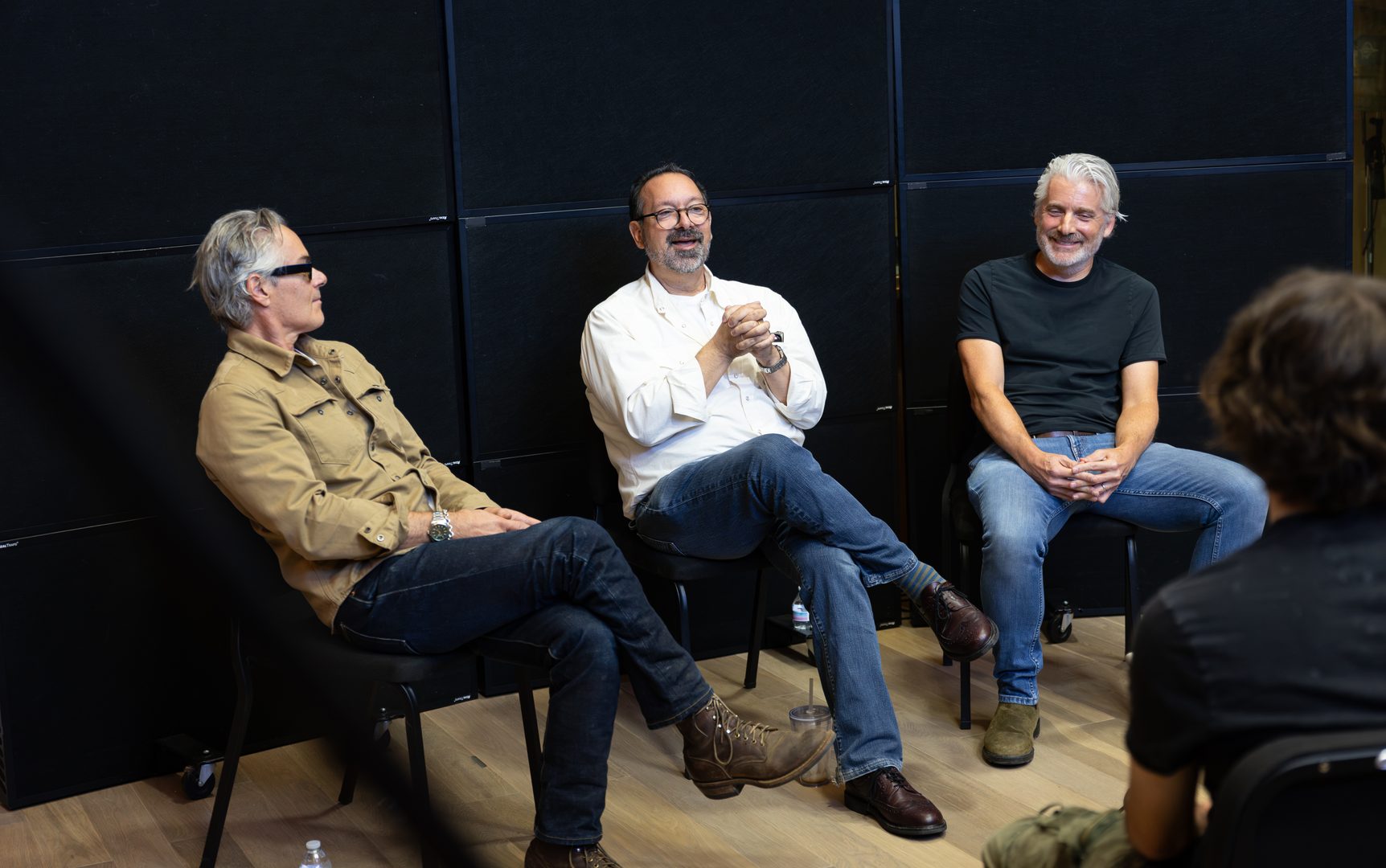
“It was a real privilege," said Shao Jean Sim. "I think it is going to take me some time to process everything.”
“Thank you guys," said Dana Zulpykhar. "You were so kind and super helpful. I was so impressed with how invested you were. This whole program was amazing; every place we went was an absolute dream.”
Gathering at the Directors Guild of America headquarters for screening and lunch reception of each of the eight scenes (along with the original scene clip), Beltrami and Mangold gave feedback on each of the pieces, with composers giving each other feedback as well. Shared Beltrami, “I was really impressed by the quality. It gives me hope.”
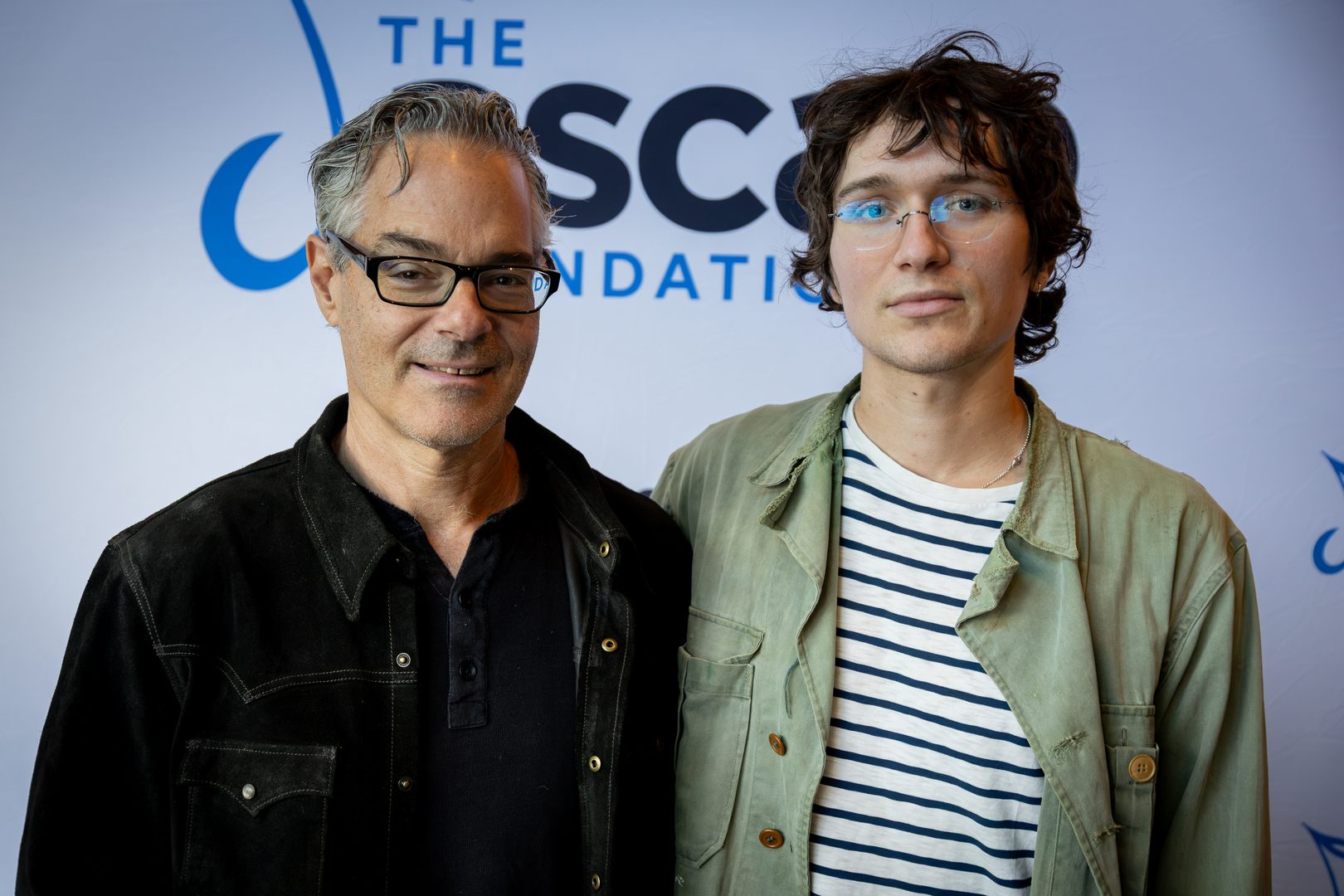
“I am really excited that ASCAP has decided, after six years, to reintroduce this because mentorship, and having a community for people who often work as individuals, is really helpful," said Marco Beltrami. "ASCAP always helped me, and I am really excited to be doing this.”
With generous funding from the Film Musicians Secondary Markets Fund and composer Didier Lean Rachou, the ASCAP Foundation Screen Composer Bootcamp is a perfect example of the mission to nurture the next generation of songwriters and composers. Since 1975, The ASCAP Foundation (a 501(c)(3)) organization) has been providing mentorship, recognition, and financial support to encourage creatives at pivotal points along their artistic journey. In addition to educational initiatives and community outreach, the Foundation’s workshops, grants, and scholarships have continued to help the artistic community to thrive, fueled by the generosity of ASCAP members and music lovers across the country.
Learn more at: ascapfoundation.org