
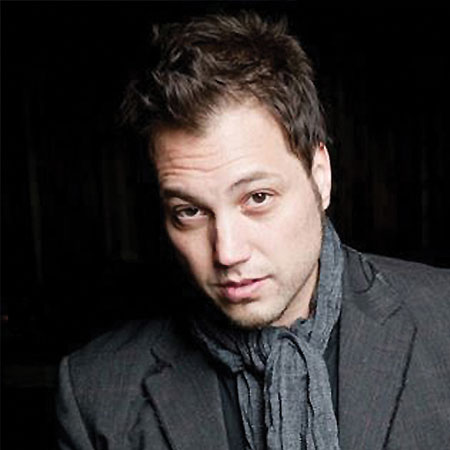
 MICHAEL "NOMAD" RIPOLL
nomadsplace.com
Proficient with 20 different fretted stringed instruments, Michael “Nomad” Ripoll’s credits span decades. His work can be found in over 200 television shows and commercials, blockbuster hits and soundtracks (e.g. Terminator 3, Men in Black 3, Pineapple Express) and on countless recordings from top-selling artists, including Celine Dion, Barbra Streisand, Aretha Franklin, Justin Bieber, Colbie Caillat, Sting, Kenny “Babyface” Edmonds, TobyMac, Natalie Grant, Natalie Cole, Nick Lachey, K-Ci & JoJo and others. Ripoll is also the Music Director for Kenny “Babyface” Edmonds, Kirk Whalum, Donny Osmond, Eric Benet and various indie artists.
As a Music Director, what is the most important aspect of a rehearsal?
Preparation… I know exactly what I want to accomplish. Every player gets the material (songs and charts) ahead of time so they can practice and be ready for rehearsal. I don’t want to see them use charts unless it’s a last minute gig. Then we can focus on interpretation, performance and feel.
How much time should be scheduled for rehearsal?
It often depends on the budget, but you should try to schedule as much time as possible. Ideally, for a big show, I’d love to have two to three weeks with eight to 10 hour days (with breaks every couple of hours). I put in an additional two to three hours, so my days are usually 12 hours or more.
Do you recommend rehearsals be recorded?
Absolutely, that’s one of the most important things I do. I do daily recordings (and/or videotaping) that I edit and post, with notes, in an online dropbox after every rehearsal so the players can review it.
What are common rehearsal problems?
A player who isn’t prepared is the worst. Rehearsals should not be used to learn your part. They’re for putting the parts together in a way that makes musical sense. Having a bad attitude can also cause problems. Everyone should be working together, and the project should be more important than your ego.
How did you become a Music Director?
I always wanted to be a session player and composer, so I learned different styles of music and learned to play multiple instruments. Then, you just go out, network and meet people to create opportunities. But, remember to stay humble––because there will always be someone coming up ready to take your place.
What is the biggest challenge you face during rehearsals?
Communicating with musicians can be tricky––especially with veteran players. It’s about how ideas are presented and knowing when to be a cheerleader. When it works it’s incredibly rewarding, but it can also be exhausting. I’m always studying different methods of communication and I meditate to become a better leader. •