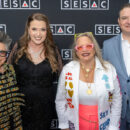
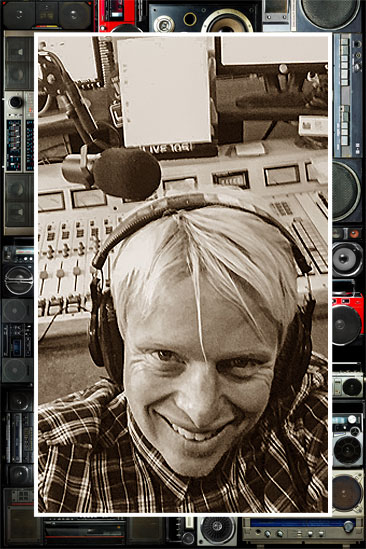
 AARON AXELSEN
Music Director/Assistant Program Director - Alt 105.3 San Francisco. Host of Soundcheck - weekly new music show
Alternative format
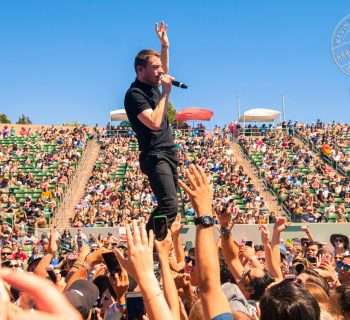
Aaron Axelsen has been a fixture in San Francisco Bay Area radio for more than two decades. In addition to being the Music Director/Assistant Program Director at Alt 105.3, Axelsen also co-founded one of the country’s longest-running weekly indie live-music parties––Popscene. Here, artists like Muse, Amy Winehouse, Phoenix, Calvin Harris, Mumford and Sons, Sam Smith, The Killers, Glass Animals, Florence + The Machine and many more made their S.F. debuts.
How do you view your role when it comes to picking new music?
The average listener doesn’t want to sift through 150 new releases a week; they want me to go and to pick the top 20 best. Sometimes too many choices is crippling. Just like when you go to your cable TV, you have 585 channels. You don’t watch every one. There’s your favorite ones. Sometimes there’s only so much you can comprehend. So, I try to pick songs I think are catchy, will sound good on the radio, and could be future hit songs.
What kind of supplementary information do you look at when considering an artist for airplay?
I always look at (a band’s) social media and their metrics. I look at Shazam hits. I get so many various streaming numbers. I look at Spotify, YouTube, and all the social media platforms you can look at to see if a song is really connecting. Still, ultimately it’s going to come down to my gut instinct and just hearing a really good song.
You’ve been in radio for over 20 years. What are your thoughts on where music is today?
I worry sometimes that artists aren’t able to develop organically. Sometimes I think things get fed through the system so quickly because everything is so transparent now. You can make a song on Pro Tools on your laptop, post it on Soundcloud, and then get linked up to Spotify and get all these streams without even playing a show. The process back in the day of an artist making music and taking their time and crafting their skills and gigging around. You know, like Nirvana, how they broke. Or Pearl Jam. Some of these bands that put out two EPs before even being signed. It’s like baking a cake. If you bake a cake, if you put all the ingredients in and let it cook for two minutes, it’s not going to work. You need all the ingredients plus the full hour in the oven.
What other qualities do you look for in new artists?
I like to see your perseverance and how committed you are. I’ve seen artists that say “Oh, we’re the next big thing. Help break us. We’re gonna be huge!” and then they break up three weeks later. I like to see artists that are gigging around, they’re very serious about the path they’re going to take. They’re networking, cultivating a fanbase. All those things are important. All of them are essential building blocks to starting an artist’s career.
What’s a good rule of thumb for new artists getting their first radio airplay?
Let’s say I’m gonna play a local artist. I love when they support the station. When they tweet out, maybe they’ll make a video. “Hey guys, it’s so-and-so from Walnut Creek. We’re gonna get played tonight on the radio.” And they blast that on Instagram. They really make a big thing out of that. I love when I see that. They have to support that airplay.
It feels like the work never stops for independent artists.
Even artists that get signed to a record label. They think, “Oh, we’ve made it.” No, you’ve got to work! When you’re on a major label, no matter who you are. Even Green Day will come out and they will work on a new album. They’ll do promo, they’ll go do press. They’re one of the biggest bands, they’re in the Rock N’ Roll Hall of Fame! And when there’s a new Green Day album, guess what, Billie and the boys are gonna be working.
What do you tell new artists who come to you for advice?
Take your time. Don’t prematurely go to radio or go to press or get a publicist or manager. Work on your craft. Perfect it. Practice. Play some house parties. Master your record. Take it to a studio, don’t just do it yourself. Have it done correctly and really produce it. A lot of songs I get I think are great songs, but the production is shit! It’s just not ready for commercial radio yet.
To get some first-person insights into how small, student-run college radio stations
operate and how to get your music played on them, check out this link: musicconnection.com/college-radio-strategies
And check this out, too: musicconnection.com/college-music-market