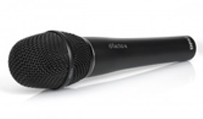
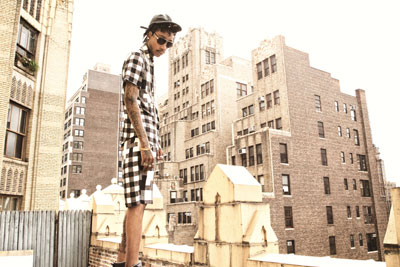
MC: You performed that song on Arsenio Hall’s show, and the way you held the mic and moved was more like you were fronting Guns N’ Roses than a hip-hop crew. You’re going for that raw rock & roll vibe?
Khalifa: It’s the energy of not really being formerly accepted in the crowd, like being a true piece of shit and just having friends who live in our own world; we practice together, listen to the same music, and it’s like you said, we’re more like that garage band feel than like a hip-hop act, you know what I mean? And when it comes down on stage, you just feel everything, you see it in our faces, you see it in our movements, and it’s just all real.
MC: Your free mixtape, 28 Grams, just dropped in June, do you have a different mentality when you make a mixtape versus an official album?
Khalifa: It’s just a lot of energy that’s relevant to me and my people around me. The beats that I selected, a lot of new young producers are popping now. It was just fun. I just go in whatever zone I’m doing and I just try to bring out the best energy that’s relevant to right then, and I don’t have to worry to much about making hits or TV or radio; and that whole process is eliminated when you’re working on a mixtape, so you get to get more of a representation of what’s cool to the artist as opposed to what’s going to do best for the label.
MC: With titles like “James Bong,” do you have any favorite tracks on 28 Grams?
Khalifa: “Incense” and “Foreign.” “Incense” is small and melodic and “Foreign” is more high energy. “Incense” is produced by Purps and it’s definitely more trippy and spaced out. A lot of people know me for making those kinds of songs, especially from my previous work; songs like that are really popular because they put you in a zone where if you don’t smoke or get high you still get high just bopping to the music. I’ll always put out stuff like that.
MC: Your songs have many themes, but do you see yourself moving past the pot theme at any point?
Khalifa: No! That’s my life.
MC: Back to your social media savvy: It seems that the number of Twitter and Instagram followers and YouTube views are more relevant than record sales these days. What’s your take on the importance of social media?
Khalifa: It’s super important as far as keeping people up to date on what’s goin’ on in your mind, especially for an artist like me because I built myself on social media and through the fact that I’m personable with my fans. I reach out to them and take their points of views, and do things with them that are fun and involve them.
Social media gives artists like me that platform to always take it to the next level and just go beyond expectations, and that roof; you know, corporations and businesses try to build a box around you but social media always allows you to break through that box––and every chance I get I’m going to use it. [Social media is more important than record sales] because of me and artists like me who use and abuse it to the point where that’s how you can find out how cool somebody is. It wasn’t like that before, but now it’s like, “Oh my gosh, you have this many followers on Instagram?” And then that’s where advertisers come through, and there’s a lot of money involved and anything that makes people money makes them happy.
But the most important thing for me is that we define that culture. Twitter switched their layouts and their settings according to what we want and how we use it; they track it and, you know, calculate shit better based on how we freely use this shit. So it’s awesome.