Years with Company: Less than one
Address: Portland, OR
Web: vauxrecords.com
Email: vauxrecords.com/contact
Clients: J Noire
BACKGROUND
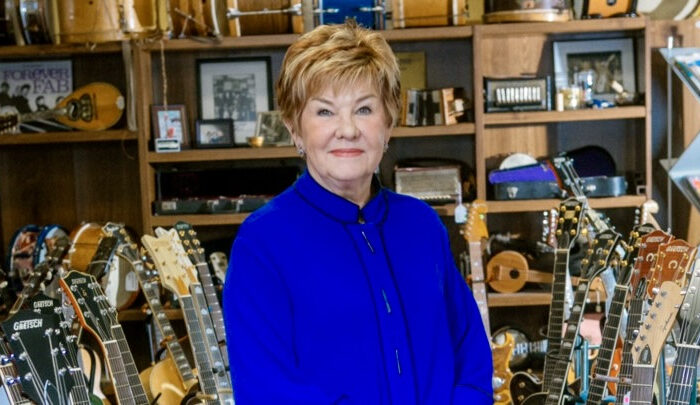
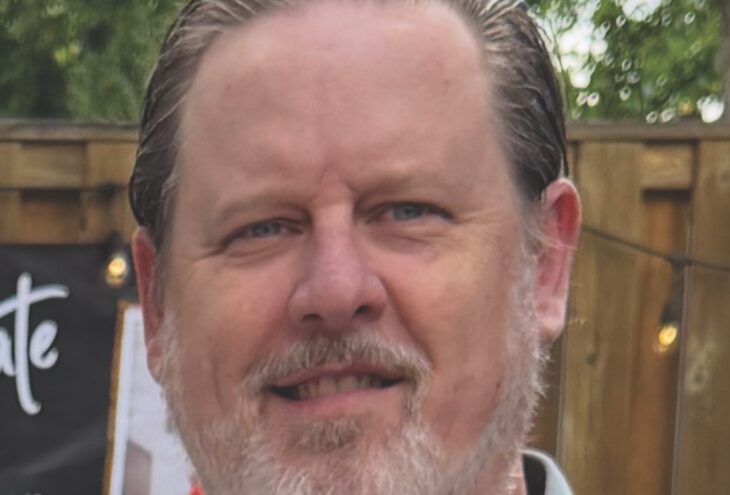
Craig Ericson, the founder of Rise Records, is a vaunted figure in the world of alternative and heavy music, having signed and developed an avalanche of heavy hitters including Dance Gavin Dance, Sleeping With Sirens, and Beartooth. He sold Rise in 2015, but now he’s back in the game with a new label, Vaux Records.
Rising Up
I started Rise in 1991 and then got serious about it in 2000. It slowly kept getting bigger and bigger. BMG was sniffing around and announced they were looking to buy independent labels. I only had eight employees, and it was getting chaotic. And BMG made a killer offer. I wasn’t looking to sell, so I got a good deal.
Outside the Labels
I opened a bar with a friend, and it did not do well. COVID happened, and it shut down. I’m part owner of a pizza restaurant in Portland, which is doing great. I was flipping houses. I would buy a mid-century modern house and fix it up. I did that five times, and then my back started hurting. I’ve been raising my daughter, too.
Back In
Last year, I decided to start a new label. I have six bands signed, and one announced [J Noire]. Over the next few months, I’m going to be announcing a slew of bands, and it’s going to be diverse. It’s under the rock umbrella, but it’s going to have some metalcore, some industrial vibe, a female-fronted band, a band from Switzerland… It’s been fun schmoozing and doing the hustle again.
The Itch
Rise was kicking butt when I sold it. It still is. Back then, I was like, ‘I’d be crazy to start a new label.’ But then you start missing it. You see all your music industry friends on Facebook and Instagram. I was a part of all that, and suddenly I wasn’t. It’s more than just a business. It’s the camaraderie, the traveling, all that stuff. Discovering new bands is euphoric. It’s addictive almost. I never was doing it for the money. Maybe that’s why it worked in the first place.
Yes, Master
I’m going to own the masters, which is pretty rare these days. I’m not really into licensing. If I’m going to put all the money into it and risk everything, I need that asset not to go away after a few years.
Staying Hard
The music I focus on has always been under the rock umbrella: hardcore, punk, metal. It’s guitar-based and mainly heavy. There are probably 50 subgenres of rock: death metal, black metal, speed metal, hardcore, shoegaze. I like it heavy, but I would sign Dashboard Confessional in a second. I don’t want to try something too new. I know all the people in the heavy music industry, and it’s where I fit.
Seeking Developing Acts
It’s going to be hard to sign an established band, because I have limited resources. [I’m looking for] baby bands. They’re not going to kick your ass over the contract too much, because they’re unknown. I do really fair deals, so they’re not going to get ripped off; it’s just I don’t have to pay a shitload of money upfront. You sign big bands for hundreds of thousands of dollars, and if it flops you’re out. So it’s a little more safe. And young bands typically tend to be these hardcore, metalcore bands. There’s no other genre or scene where you can sign bands made up of 20 year olds.
Doing A&R
Have you heard of Sumerian Records? They put out Bad Omens and Poppy and Asking Alexandria. I worked for Ash [Avildsen] for like six months as an A&R guy. It didn’t work out long-term, but I had fun doing it. It wasn’t quite for me. I needed to be the boss. I had to ask for permission too much. It was a little too slow; I work faster.
J NOIRE
When I moved to Tennessee, my neighbor was Hugh McDonald, the bass player of Bon Jovi. I got to know him and his wife, and his stepson was in a metal band called Guillotine doing covers at JBJ’s Nashville. And I’m like, ‘Bro, you’re too good to just play covers on Monday nights at the bar.’
Tour, Tour, Tour
The biggest thing is touring. That’s the number one goal—get on the road. If you’re not actively touring, it’s pretty much impossible to make it to the next level. Number two is good videos and a publicist. Play-listing can get you somewhere now, but word of mouth is still king.
Roster Size
Once I hit 10 bands, that’s probably all I’m going to be able to do for now. Maybe it’s 12. Maybe it’s eight. Whenever I say I’m done signing, the next day some band comes along. There’s always room for a good band. When a label says, ‘Our roster’s full. Thanks for the inquiry,’ it’s just them being nice, because they’ll sign at any moment if the artist is that special.
Putting Rise Artists On YouTube
Back when it was MySpace, you could post a whole album for free. And then MySpace went away, so there was nowhere you could listen to music for free except YouTube. And back then, the big labels didn’t even post their videos. I was like, ‘Let’s post every single song.’ We literally put thousands of songs on YouTube. And it worked. We were streaming a million a day. And we were getting paid for it. Our best marketing tool was writing us big checks.
[The labels] don’t like to give away music. They wanted to post maybe one song, but not the whole album. And then people started downloading illegally, which helped me immensely, because they were downloading all of my bands. It’s ironic that illegal downloading helped my label.
History and Principles
I have a pretty good track record of being good to my bands, helping them get big, paying royalties on time. No bullshit. So if an artist signs to my label, they should know what to expect. There shouldn’t be a lot of bad surprises. Honesty, integrity… all that shit.
The Familial Touch
I’m proud of how I treated all the bands on Rise. I had a great relationship with just about all of them. They come to my house before the tours, stay the night at my house, and we have a barbecue. It’s a family affair once they’re in.
The Road Warrior Mindset
Have that mentality of trying to play every weekend. Look up a town an hour away, find a local band, and tour with them. Don’t wait for shit to happen. Be proactive. You’ve got to self-promote. A lot of people are too cool to self-promote, but you have to in the beginning. If you just record and never play, it’s never going to happen. Make friends with the other bands in town. Support them. Play the city a few hours from you, and then play the one a few more hours away. Get big in your region as best you can. And the singer should always sell merch after they play. They should run to the merch tables and meet their fans, because when that happens you sell way more merch. Go out and mingle.
Don’t Just Take a Label’s Word
Have all the things [a label promises] in writing. They should commit to the recording budget, hopefully a publicist, and some digital ad money. Make them pay for things. That’s the whole point—they front things, and you split the money afterwards. It’s a simple business concept.