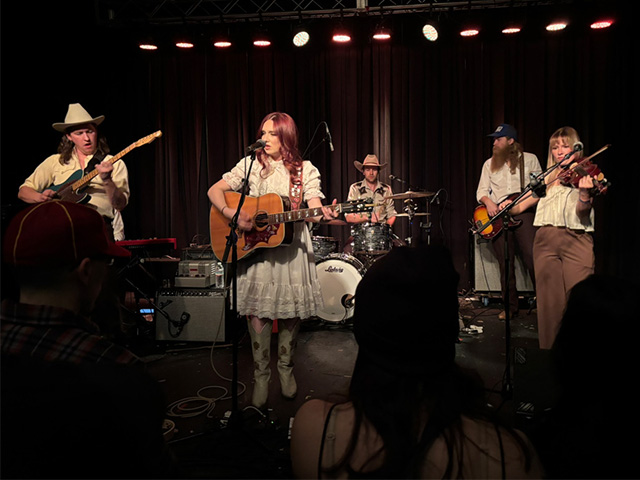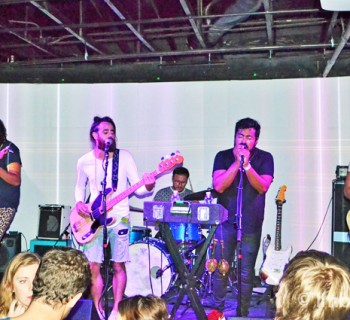
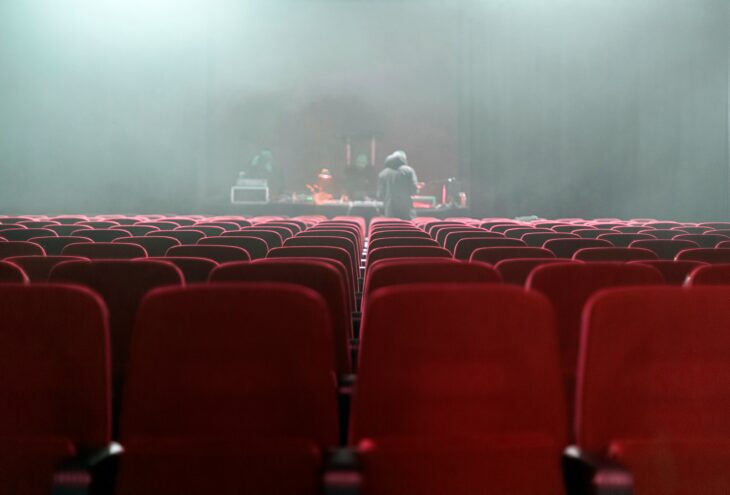
A few weeks ago, I went to see Elvis Costello in concert—one of my longtime heroes, a songwriter once known for his sharp wit, his political bite, and his uncanny ability to channel frustration into art. The tickets were $130 each, and the merchandise—a simple cotton t-shirt with a screen print—was $45.
And I couldn’t help thinking: What happened?
Here was a musician who once gave voice to working-class anger, railing against the hypocrisy of power and privilege. Yet now, even his live shows—that most democratic of art forms—are increasingly priced out of reach for the very people his songs once represented. It’s a kind of ironic inversion: music for the people becoming music only the privileged can afford.
We’ve somehow created a system where artists who started as rebels and reformers are now forced, by economics or inertia, into producing bourgeois music for the bourgeois. Not because they’ve lost their ideals, necessarily—but because the machinery of touring, production, and profit margins has made it nearly impossible to do otherwise.
And it’s not just music.
Take movie theaters, once the cathedral of shared imagination. The average movie ticket in the U.S. cost $4 in 1990 and around $7.50 by 2010—but today, according to the National Association of Theatre Owners, the average ticket price exceeds $12, with major cities charging upwards of $18–20 for premium screenings. Popcorn and soda can easily double that figure.
I think back to one of my favorite old haunts, The Biograph Theatre in Georgetown, D.C.—a beloved art-house cinema that closed its doors years ago. It was later converted into an adult movie house, then shuttered entirely. The economics of running a space devoted to independent, low-budget, or foreign films simply couldn’t compete with the profit margins of more commercial or sensational offerings.
But there’s another story from that same neighborhood that offers a spark of optimism.
Just a few blocks away, the old Trolley Barn in Georgetown—once a relic of D.C.’s streetcar past—was transformed into a movie theater and event space that became home to the Georgetown Film Festival. For a time, it stood as proof that creative reuse and community vision could bring cultural life back into the heart of a city. What was once a decaying industrial shell became a hub for film, conversation, and shared experience—the very things we risk losing when art becomes unaffordable.
This pattern—the pricing-out of the public—runs through nearly every aspect of American entertainment and culture. Whether it’s live music, theater, sports, or film, the cost of participation, both as a spectator and a creator, has risen far faster than wages or inflation.
But there are glimmers of a different model.
In Texas, several defunct shopping malls—symbols of a bygone consumer era—have been repurposed into mixed-use community hubs: libraries, coworking spaces, coffeehouses, maker studios, and even housing for veterans. One example is the Highland Mall redevelopment project in Austin, where the shell of an old retail center was transformed into a vibrant public and educational space anchored by Austin Community College.
It’s a reminder that our cultural infrastructure doesn’t have to be discarded—it can be reinvented. The same could be done with large, defunct movie theaters, many of which now sit empty in strip malls and suburbs across the country. Imagine if those spaces were converted into community performance halls, youth music programs, or affordable housing for artists and veterans.
It’s not just about nostalgia. It’s about reclaiming access—to art, to music, to the shared experiences that remind us who we are.
When the price of a concert ticket rivals a week’s groceries, we’ve lost something fundamental: the connection between the artist and the audience, the maker and the listener, the song and the soul it was meant to stir.