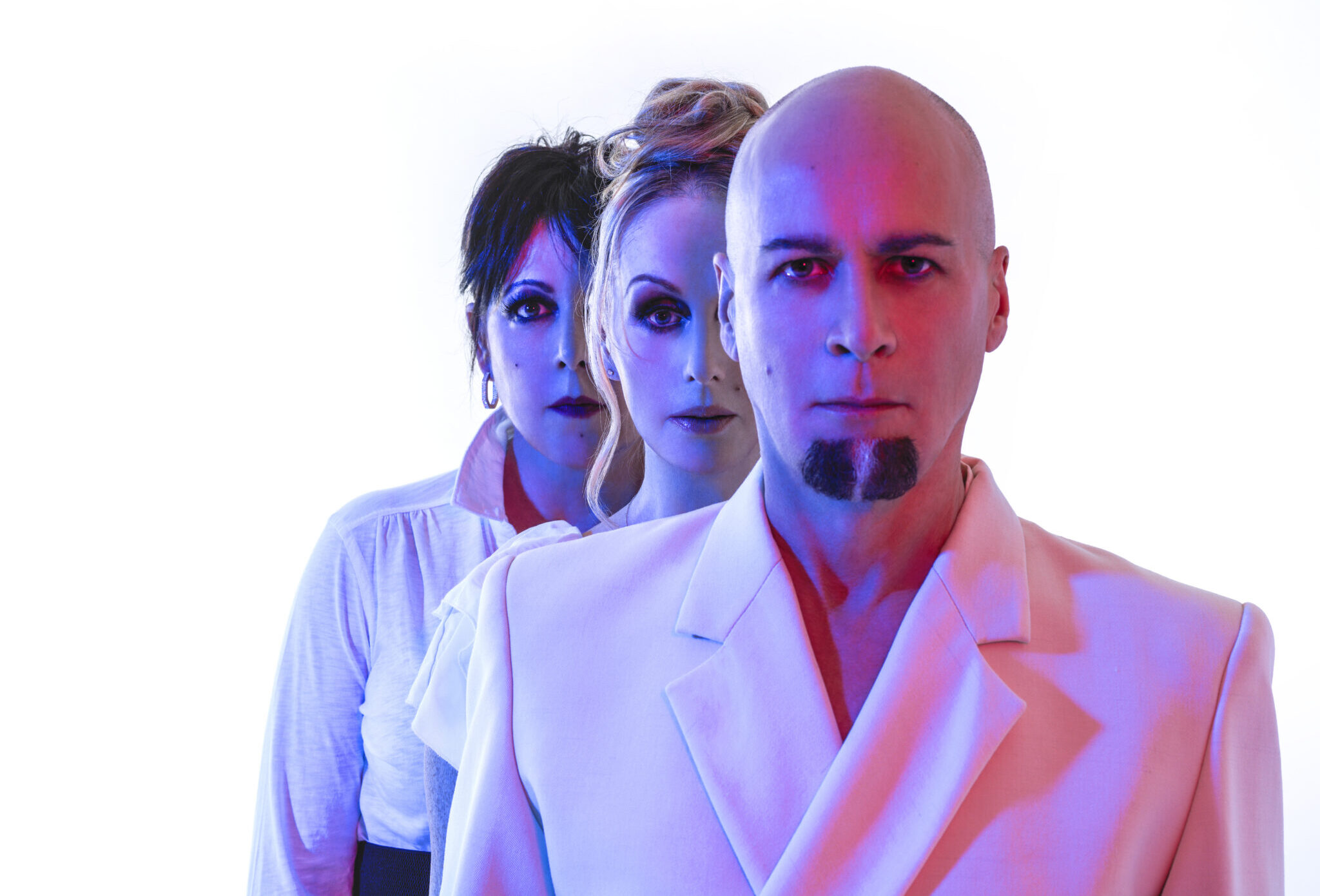

Welcome to Music Connection’s annual artist roundtable where we shine the spotlight on five diverse vocalists from a host of musical genres. We always try to bring the best of emerging talent as well as name performers. And this year is no exception, with Gulf Coast Records blues-rock singer-songwriter Kelli Baker, Oklahoma-based indie country star Krislyn Arthurs, modern roots-based soul stirrer Lamont Landers, Femme Fatale and former Vixen frontwoman Lorraine Lewis, and Rock and Roll Hall of Famer and singer-songwriter/keyboardist for perennial hit makers The Rascals, Felix Cavaliere.
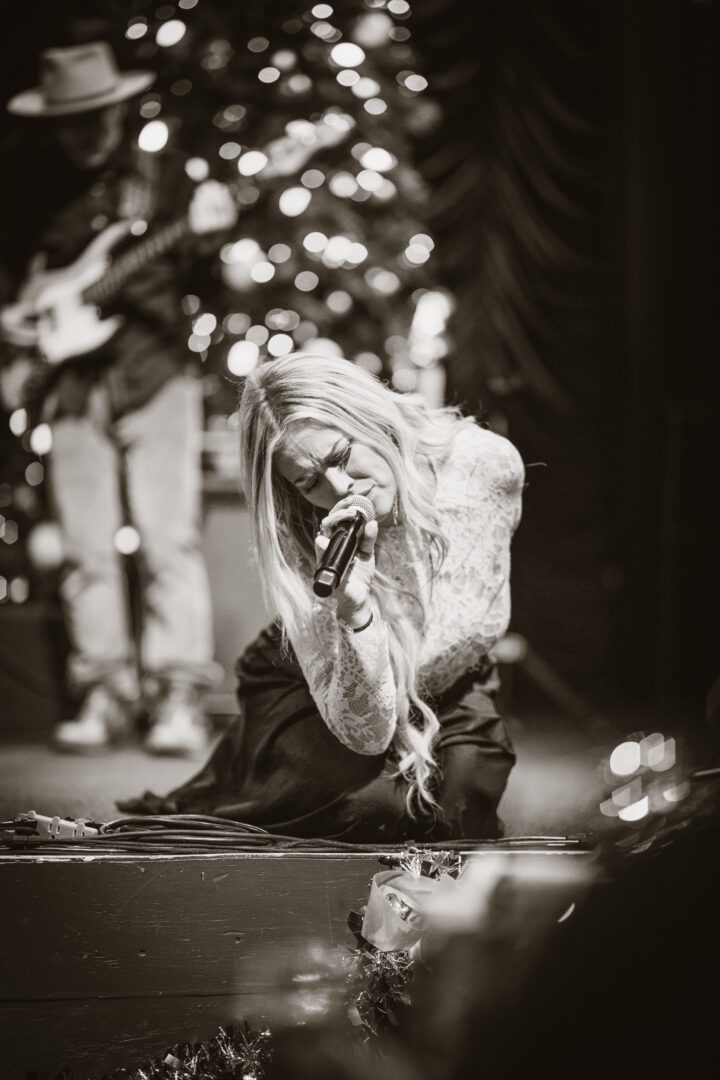
Kelli Baker
James Dyble - Gulf Coast Records
jamesdyble@gulfcoastrecords.co.uk
kellibaker.com
Kelli Baker is a Phoenix-born blues-rocker that has recently signed with award-winning artist Mike Zito’s Gulf Coast Records. The now New York-based Baker has toiled in the trenches for many years. But she is steadily earning much deserved attention and respect from modern blues royalty such as Christone “Kingfish” Ingram and Samantha Fish, having recently toured with both. Baker’s accolades also include winning first place in Nashville’s “Blues Revival 615,” winning the Long Island/Brooklyn/Queens division of the international Blues Challenge and headlining major festivals such as Women of the Blues Fest in McIntosh, MN and Paxico Blues Fest in Paxico, KS. Baker’s debut EP for Gulf Coast Records is called Granite.
Early Influences and Career Beginnings
“I went to a Christian high school, and we had a big choir and choral group. That was a big influence on me that you’ll find in my writing too. A lot of those references can be so deep and interpreted in different ways. And then the grunge scene came in, and by the time I was out of high school I was with a hard rock band. After that I did like a singer-songwriter thing and then I had a really bad experience at an open mic and bombed. I was playing guitar for the first time. I was teaching myself guitar and it went so awfully that I swore I’d never play in public again. And I didn’t for 10 years.”
Taking Care of Your Voice
“I was fortunate enough to find this great vocal coach whose name is Greg Drew. He has been instrumental in the protection of my voice. And he specifically deals with artists that have these big voices. He has been phenomenal. There is a lot of daily work that I have to do, and then there’s some warm-ups that I have to do, and then I have to cool down every time after a show too. That’s how I’m able to do show after show after show. I try drinking enough water too.”
Specific Vocal Tips
“I work through a bunch of different intervals. It’s not dissimilar from, like if you’re listening to jazz music and how they go into these weird spaces. I move my voice around in those weird spaces that are not traditional movements, but there’s a physical aspect to it. I focus on really opening my throat up, being cautious of how I’m enunciating and how I’m saying certain vowel sounds and consonants. All that matters into the strain you’re putting on your vocal cords.”
Being a Modern Blues Artist
“You know, what’s so interesting is that blues is such a universal language. Like when I go to some of these jams, everyone is playing blues there. It’s a language that a lot of musicians speak. There’s just something about it. I’m moved by all different genres of music. But I have to say a live blues show just really does something to you. It’s very impactful.”
Being True to Your Career Path
“I spent a lot of time trying to figure out who I was. I took that open mic experience where I bombed, and there was a whole lot of things I wanted to do with my life before I got back into music. I was running restaurants and clubs, and I was good at it. But I never felt purposeful. And it wasn’t until I did what I think I was supposed to that everything clicked. And I think it’s never too late to be who you are. I was 25 years old, and I thought that I had aged out. I was a young mother, and I thought I missed my shot. But I took baby steps. Nobody has to jump off a cliff immediately. But it’s interesting that my daughter saw that transition in me to get back to playing music. She saw me do that a little later in the game but, even against the odds, it’s always possible.”

Krislyn Arthurs
Brandy Reed/RPR Media
brandy@rpr-media.com
krislynarthursmusic.com
Krislyn Arthurs is a proud independent country singer-songwriter from Medford, OK. In over a decade of performing she’s played just about every honky tonk, watering hole and music festival throughout the Great Plains Region of the United States. Her latest album is called Honky Tonk PhD and features songs about crooked politicians, dirty preachers, cheating beauty queens and psycho girlfriends. As her press material states: “Combined it all sounds like a Quentin Tarantino film. But if you ask Krislyn, she will tell you it’s 90 percent autobiographical. The other 10 percent? Well, some of those are the ‘what could have beens’ had a wiser head not prevailed.”
First Public Performance
“I used to do a bit of singing at school. I had severe stage fright, so I never actually did a lot of solo things until after I had graduated. I taught myself to play guitar when I was 19. I was a senior in high school. I actually didn’t start writing my own music until I was probably 20 or 21. Then I played my first gig not too long after that. My first actual paid professional gig was when I was 21 years old about 10 years ago. It was at a place called The Bump in Pond Creek, OK.”
The Songwriting Process
“I don’t have any kind of formula. Everybody does it a little bit different. But I feel like if I’m having a moment in my life where I feel like I might need to say something, but I don’t have the courage to say it, I sit down and I kind of piddle around with my guitar. I like to find maybe a chorus I like or the melody first. A lot of times I start to build my chorus and then build my verses around my chorus. The last few songs I’ve written I’ve started from the very first verse and then work my way down. So, my process is kind of chaotic, it’s never really the same. Sometimes I have to move things around if I start to feel like they might fit better at the first verse, bridge or things like that. So, I don’t have a lot of structure when I write. It kind of works like my brain; it’s a little chaotic in there.”
Taking Care of Your Voice
“My number one thing is to try and get a seasonal steroid shot. I have really, really bad allergies and, being in Oklahoma, it’s always allergy season. In 2020 I got vocal nodules so that taught me how important my vocal health was. I was on 12-week vocal rest and thought my career was over. So, I really like to do hot tea with peppermint. I do a little bit of Throat Coat, but I really prefer the peppermint or eucalyptus. I feel like it just soothes the vocal cords a little bit more. And then I also have a little saline nebulizer that I use. I probably don’t do vocal warm-ups as often as I should, but I just try to really focus on keeping my voice healthy before shows and am aware of recovery after a show too.”
Memorable Stage Experience
“There have been many, but I remember a time when we were ten hours from home doing a show. I looked out in the crowd and there were people singing our songs. And there were a lot of people that hadn’t had the opportunity to see us live before. But they had learned the music before the show and knew every word. And it just brought tears to my eyes to see how my music had resonated with people. And these were young people too. I felt like I was becoming a role model for these younger people.”
Best advice You’ve Gotten
“You can’t control what happens in the music industry. You’ve gotta stop stressing about it and you’ve gotta learn to roll with the punches. And once I stopped trying to control all my environment and the situations that are happening around me the easier, I felt like each show would go. Also, don’t ever get too big for your britches. Always remember where you came from and stay humble.”
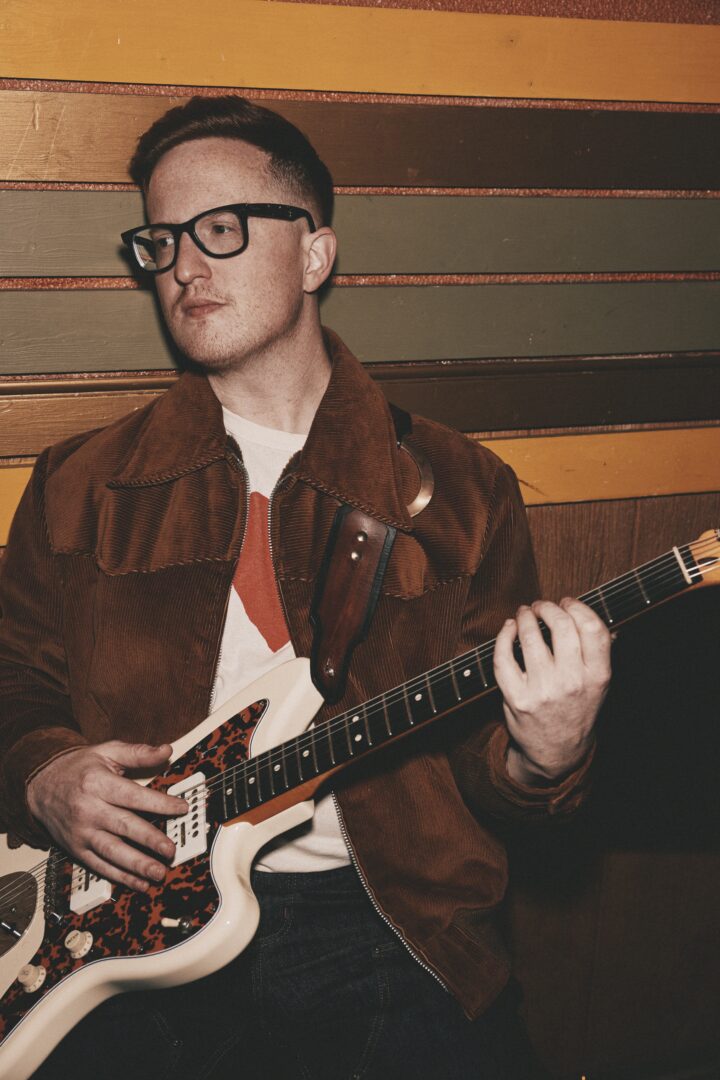
Lamont Landers
Meg O’Keefe/Universal Music
meg.okeefe@umusic.com
lamontlanders.com
Lamont Landers is a southern gentleman from Decatur, AL who is young but possesses the spirit of classic and vintage funk and soul every time he opens his mouth. He was raised on Southern rock staples like the Allman Brothers Band, Lynyrd Skynyrd, and Stevie Ray Vaughan, with a heavy helping of Al Green, Bill Withers, Marvin Gaye, and Ray Charles served on his plate as well. Landers gained nearly instant notoriety with appearances on America’s Got Talent and Showtime at the Apollo. But a pivotal moment happened when Ahmir “Questlove” Thompson of The Roots reposted Landers’ online version of The Spinners’ “Rubber Band Man.” It caught the ear of GRAMMY award-winning producer Dave Cobb who, appreciating Landers’ undeniable vocal phrasing and talent, offered him the opportunity to record for his Republic Records imprint, Lucille. Several more viral videos and public appearances led to his current full-length debut for Lucille entitled Introducing…Lamont Landers which is out now.
First Public Performance
“I was probably 19 years old, and I was playing guitar at my buddy Christian’s house. And this guy named Tyler Smith was one of my friend’s older brothers. He was six years older than me and liked the way I sounded. He asked me if I wanted to come with him and play at this Irish bar called O’Dailiey’s Pub in Mobile, AL. I was underage and played for 50 bucks and some beer. Being underage I thought that was the coolest thing in the world.”
Taking Care of Your Voice
“Well, I’m not very kind to it. I’m sitting here and I’ve got this vape and I’m vaping. I know I need to quit this shit. I was a cigarette smoker for a long time and I quit that. You get on these vapes and I’m just trying to satiate those cravings without damaging my voice. But I have this thing when I’m on the road called a vocal mist. It’s like a little humidifier that you fill with saline water for your vocal folds. It helps. I’m trying to figure it out, man. There are some months where it’s super strong and some months where I’m like, I don’t have it anymore. It’s a crap shoot trying to figure out what works and what doesn’t. You know, it’s weird. So many people consider me a singer, and I suppose I am, and that’s how I make my living. But I’ve always just considered myself a musician. So, I kind of roll my eyes a bit when I see singers doing the warm-ups and eccentric things that a lot of singers tend to do. But maybe I should do it. I don’t know. But, yeah, I’m figuring it out. Sleep is key. I try to get as much sleep as I can. I have a four-year-old daughter so sometimes that works and sometimes it doesn’t. But I am drinking more water than I’ve ever drunk in my life so that helps.”
Constructing a Song
“A lot of people write different ways. Sometimes I’ll have lyrics and I’ll try to put melody and chorus to the lyrics and the songs that I end up liking the best are always the ones where I have the melodies first and it’s just a bunch of nonsense. I’m just singing syllables, and the chords are there and then I come up with the lyrics after the fact. That’s always easiest for me, finding a feeling first and then filling in the gaps with words versus having the lyrics and trying to formulate something around it.”
Best Advice You’ve Given
“I tell everybody just don’t quit. If you really believe you’ve got it and this is what you want to do for the rest of your life, don’t quit. Otherwise, it’s like feast or famine a lot of times with this stuff. You gotta be comfortable being uncomfortable. And there might be times when you have nothing to your name, and there might be times where you have everything going on in the world. But the point is, regardless of what is going on, you have to just keep on plugging away. Because the only way you lose is if you quit. If you don’t quit, you never lose. So, trust yourself and just keep going.”
Lorraine Lewis
Andrea Faulk/SRO PR
afaulk@sropr.com
lorrainelewisrocks.co
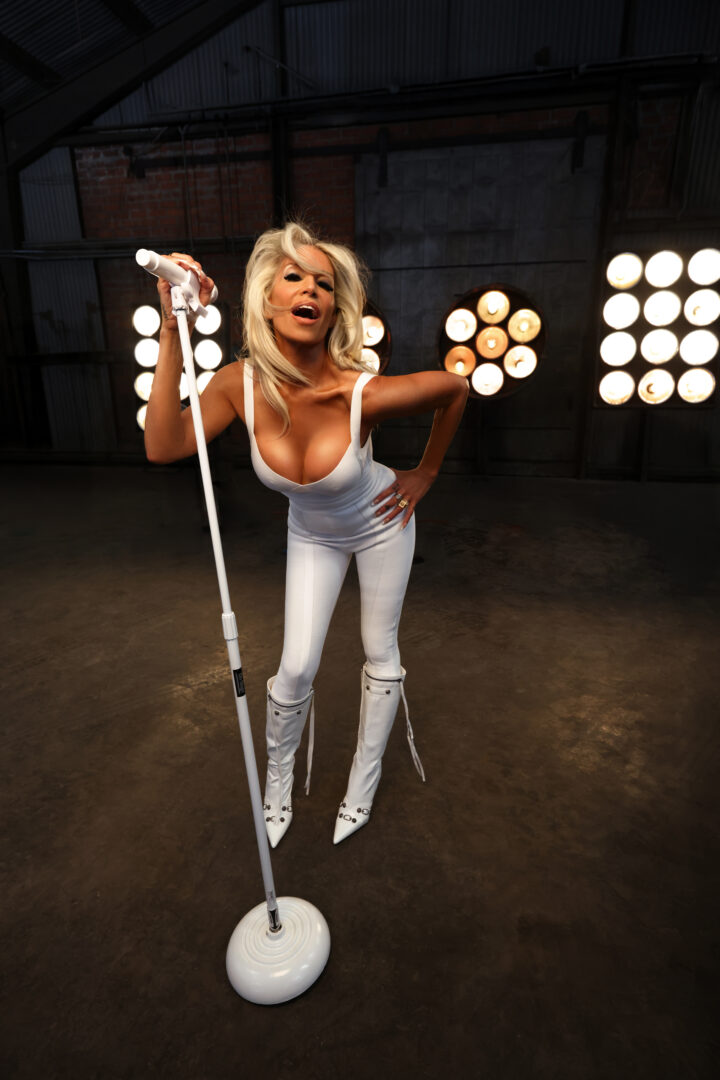
Lorraine Lewis is a force of nature. She exudes positive energy and tries to infuse that into everything she does. She originally cut her teeth fronting Sunset Strip rockers like Femme Fatale and, later, Vixen. But she has also reinvented herself in so many other ways as, not only a lead singer, but a podcaster, television producer, and a TV and film casting director. It’s that sense of adventure, diversity and commitment to excellence that keeps her fresh and in demand for all aspects of audio and visual entertainment. Her latest single on Cleopatra Records is called “Living Like There’s No Tomorrow.”
Early Career Beginnings
“I’m originally from Albuquerque, NM, and before I moved to L.A. to get the ever-elusive record deal, I was in a Top 40 band. My first band was called West Wind, and I was 17 years old singing Linda Ronstadt covers. Then I was in a band called Babe Ruthless and we did all the Top 40 hits from Toni Basil to Missing Persons. We started doing Van Halen and then Van Halen came to town. I saw David Lee Roth on stage with Van Halen and I wanted to be David Lee Roth.”
On Stage Highs and Lows with Femme Fatale and Vixen
“One of the highlights with Femme Fatale was getting a record deal with MCA Records and doing a big showcase gig for the fans at the Roxy Theatre. And then we went out on tour with Cheap Trick. When I was with Vixen, we played the Wacken Festival in Germany for 65,000 people and I crowd surfed in 2023 making the front page of the German newspaper. I was fearless and not afraid to be belly to belly with people. Now I’ve definitely had some wardrobe malfunctions in the past. When we were on the Monsters of Rock Cruise my top kind of flipped off and I was exposed. But luckily I was wearing pasties over my boobs just in case. But, yeah, that definitely happened!”
Taking Care of Your Voice
“I work every day with vocal tapes by the late great vocal coach Ron Anderson. I sing every day to stay in shape. When I’m on tour I do my best to not speak during the day. That’s something I learned from Robin Zander when we toured with Cheap Trick. I figured if he could keep his mouth shut during the day then so can I. But as lead singers we’re expected to do PR and press interviews. And that can really, really wear you out vocally. When I’m in the studio I drink Throat Coat tea with honey, and I do my vocal warm-ups. I also try to stay happy because stress can really F with your voice as well. I also stay away from alcohol before shows and coffee too. And proper sleep can be hard on the road, but that’s important.”
Personal Mantra and Credo
“I’m here to entertain. I’m here to lighten people up and to lighten people’s loads and to just have people feel good about looking at me. You can say whatever you want about me and you can have an opinion about me, but at the end of the day, you know I’m a lover of life and I don’t talk bad about people. I have my feet on the ground, and I know who I am. I’m the same, but different than I was on stage in 1988. You’re still gonna see me rocking and rolling and never stopping.”
Felix Cavaliere
Melissa Kucirek/Moxie PR
meliskucirek@gmail.com
therascalstour.com
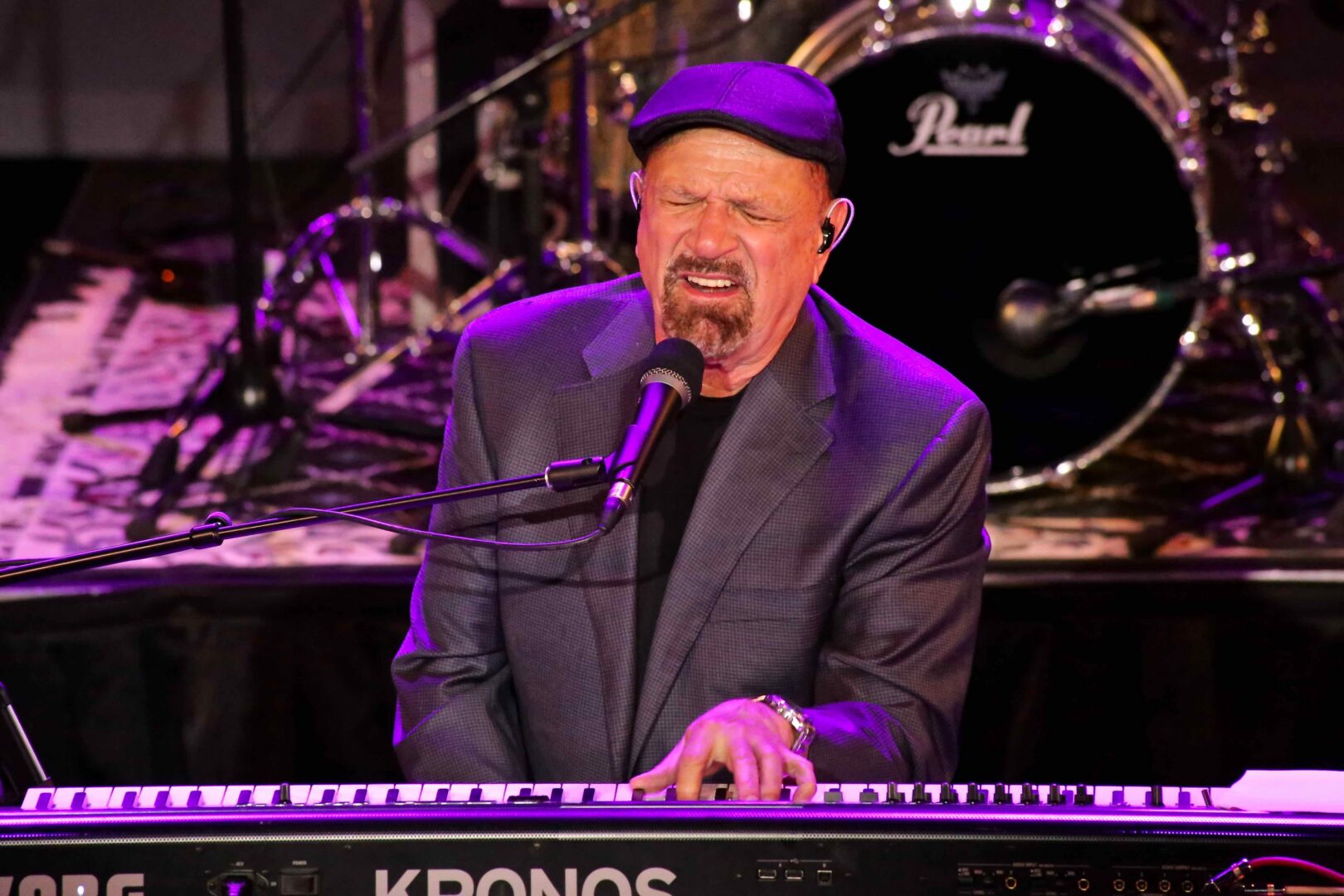
“Groovin,’” “Good Lovin’,” “How Can I Be Sure,” “People Got To Be Free,” and “A Beautiful Morning” are just some of the hits by Felix Cavaliere and The Rascals that defined the ‘60s. Cavaliere, along with Eddie Brigati, Gene Cornish, and Dino Danelli collectively created a cadre of songs that met the moment and have resonated for generations. As a member of The Rascals, Cavaliere has received well deserved accolades from just about every prestigious pillar of society you can imagine, including The Rock & Roll Hall of Fame, Musicians Hall of Fame, GRAMMY Hall of Fame, Songwriters Hall of Fame, Vocal Group Hall of Fame, Hit Parader Hall of Fame, and Hammond Hall of Fame. Presently, Cavaliere is still performing and going strong single-handedly keeping The Rascals name alive in the wake of guitarist Gene Cornish’s recent retirement.
First Performances and Career Beginnings
“I started when I was five years old on the piano. My mom wanted me to be a classical pianist so I would play these recitals. I started off really young, playing in front of people, and I kind of got used to it. In junior high I got into rock, and we’d play proms and parties. When I got to college, I started playing bars which led to forming The Rascals where we played venues.”
Some Career Highlights
“One of the first things we did was play The Ed Sullivan Show. That’s where people first saw The Beatles, The Stones, and Elvis Presley. So that was like, wow we’re here, you know! We actually played for Uncle Ed six times total on his show. So, after that we put out our second record “Good Lovin’” which was number one. There’s no way you can plan that. So, when that happened, I remember going to the West Coast on the Sunset Strip to play the Whiskey a Go Go. We actually broke attendance records out there. Another highlight was when we went to Hawaii. We were kind of like The Beatles in Hawaii. We were very successful there. And when Martin Luther King passed, we did a phenomenal concert at Madison Square Garden in his remembrance. All the Atlantic Records stars were there like Sam and Dave and Aretha Franklin. Jimi Hendrix was in attendance and that’s one of the last times I saw him.”
Taking Care of Your Voice and Health
“I started studying yoga when it was popular in the ‘60s. It was very popular with George Harrison and all those guys, and they turned me on to it. It keeps your body, mind and soul healthy and that makes it easier to sing. Polluting your body with drugs, alcohol and bad food just makes it more difficult to use your instrument.”
The Rascals on Broadway
“In 2013 The Rascals did a Broadway show that was produced by Steven Van Zandt. This was a whole different thing where I had to sing 28 songs a night. I knew that many of the Broadway stars can do this and I needed help from a vocal coach. I wanted to know how I could do that every night without getting hoarse. My coach listened to me and told me I did a lot of things right, but I didn’t know why. I learned when a lot of people sing in a studio they take a big breath first. But she told me I didn’t need all that air. She told me just to take a sip of air and count to 10. It’s all about smaller breaths when you sing. That was fascinating to me.”
Transitioning From Piano to Organ
“I was about 15 years old, and I got invited to this club in a black neighborhood. And I saw this organ trio, and it blew my mind. This guy was playing bass with his feet, he’s playing rhythm with his left hand, he’s playing lead with his right and he’s singing. I said, man, I gotta learn that thing! It was magic, you know, and it just captured me.”