Composer
Web: simonfranglen.com
Most recent: Avatar: Fire and Ash
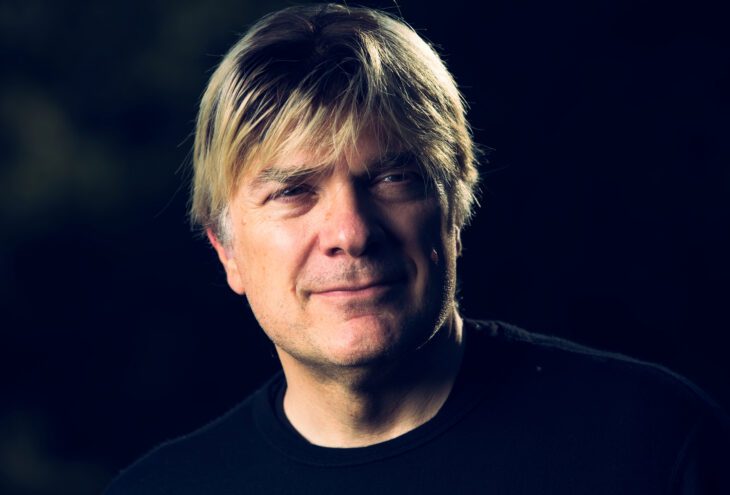
Award-winning composer Simon Franglen, who most recently wrote music for James Cameron’s Avatar: Fire and Ash, has always been captivated by the emotion film music can bring to the screen. It’s no surprise, since he won a GRAMMY for producing one of the most renowned and emotionally resonant onscreen songs in American cinema—Titanic’s renowned “My Heart Will Go On.” Franglen has collected dozens of credits since the ‘90s, saying it’s the overarching themes that often draw him into composing for a project, including his most recent work for Avatar: Fire and Ash. “From an early age, I always loved punk and the punk aesthetic, and I saw a lot of those vibes and themes in Avatar: Fire and Ash. Themes like society turning its back on people, the idea of no future, grief—and the question became how do I translate those themes into music?” Franglen says.
Writing close to 2,000 pages of music for the project and tasked with the challenge of creating continuity but also producing something fresh for the third installment in the Avatar series, Franglen considers Fire and Ash to be the most challenging project he’s ever taken on. His advice to aspiring composers who are just starting out is to treat low-budget projects not as a limitation, but as a chance to be innovative. “If you’re working with a small budget but are trying to create the sound of an enormous symphony orchestra, your end result isn’t going to be as good. Don’t sweat the things that are small—treat it as an opportunity. And don’t sound like somebody who already exists—there’s no reason to hire you if you don’t sound like you.”
He also says composers need to use technology so it helps, rather than hinders, their art. “A lot of composers today are great at playing their particular instruments, but mastering the technology to present your demos is the essential part. You’re pitching to people who might be phenomenal directors, but don’t understand music and won’t understand your ideas if you don’t know how to use technology to translate them into director-speak.”