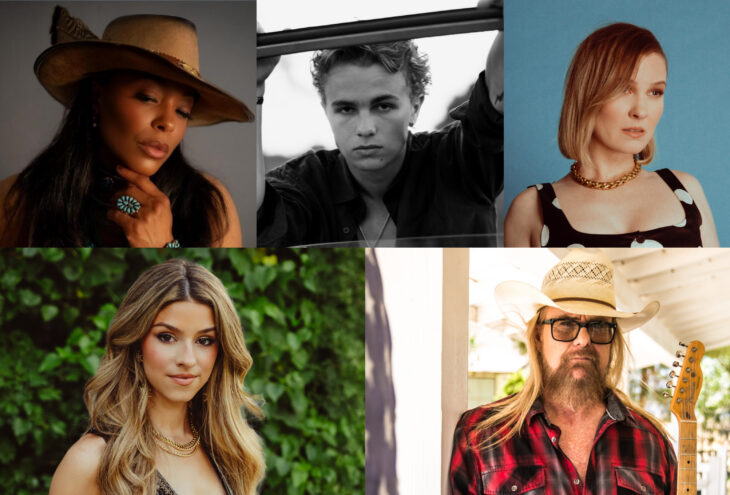
Country music means many things to many people, and it isn’t solely the stomping ground of truck drivers and rhinestone wearers. It’s a big tent that incorporates many cultures, religions, and political ideologies. Importantly, there are fresh artists looking to carry the genre forward into a new era. We spoke to a handful.
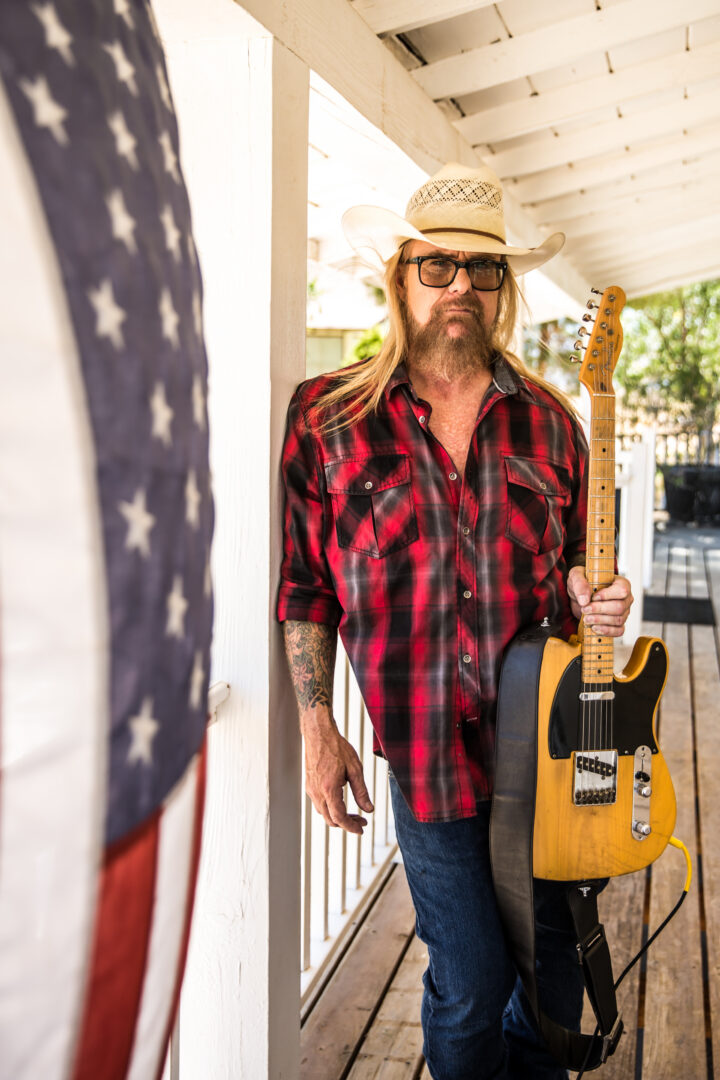
Chris Johnson
What drew you into country music originally?
Well, it was really big in my hometown, which was an equestrian, agricultural, and farming community. The town had regular country music concerts at the local fair and rodeos, and there were several local nightclubs that featured live country bands where I would go to see musicians perform.
Who were your early influences?
I was really into all kinds of music, but mostly country, Southern rock, and blues rock. For country, my influences were Merle Haggard, George Jones, Waylon Jennings, Willie Nelson, David Allan Coe, Johnny Paycheck, Gram Parsons, and The Byrds.
My Southern rock influences were the Allman Brothers, Lynyrd Skynyrd, ZZ Top, The Marshall Tucker Band, The Eagles, and The Black Crowes. My blues-rock influences were The Rolling Stones, Stevie Ray Vaughan, The Fabulous Thunderbirds, Arc Angels, George Thorogood, Buddy Guy, J.R. Wells, and Little Walter.
How do you think the genre has changed since your involvement, if at all?
Well, it has changed somewhat. It has become a big tent of musical sounds and themes. On the charts now, you have really traditional stuff, ‘90s-sounding material, along with all types of mashups and influences, with folk, pop, rock, and hip-hop overlapping.
There’s always a battle between the traditional and contemporary. Where do you sit?
I lean more toward the traditional side of storytelling, but on this record I experimented with modern production styles, hoping to reach a greater audience.
How do you describe your sound, and where does it sit on the country spectrum?
I would say this record is more traditional. However, it’s somewhat folk on the ballads and darker-themed songs, a little country-pop on the up-tempo stuff, and perhaps has a little sprinkling of Southern rock on the songs with higher-gain guitar sounds.
Tell us about your latest release.
It was recorded and produced by Nick Morzoff. It features Jordan Ziff on guitar, Federico Delfino on bass, Stephen Haaker on drums, Skip Edward on keys, Randall Hess on pedal steel, and Aubrey Richmond on fiddle and harmony vocals.
The songs were all pulled from my catalog of tunes that I had written and that we auditioned for this record.
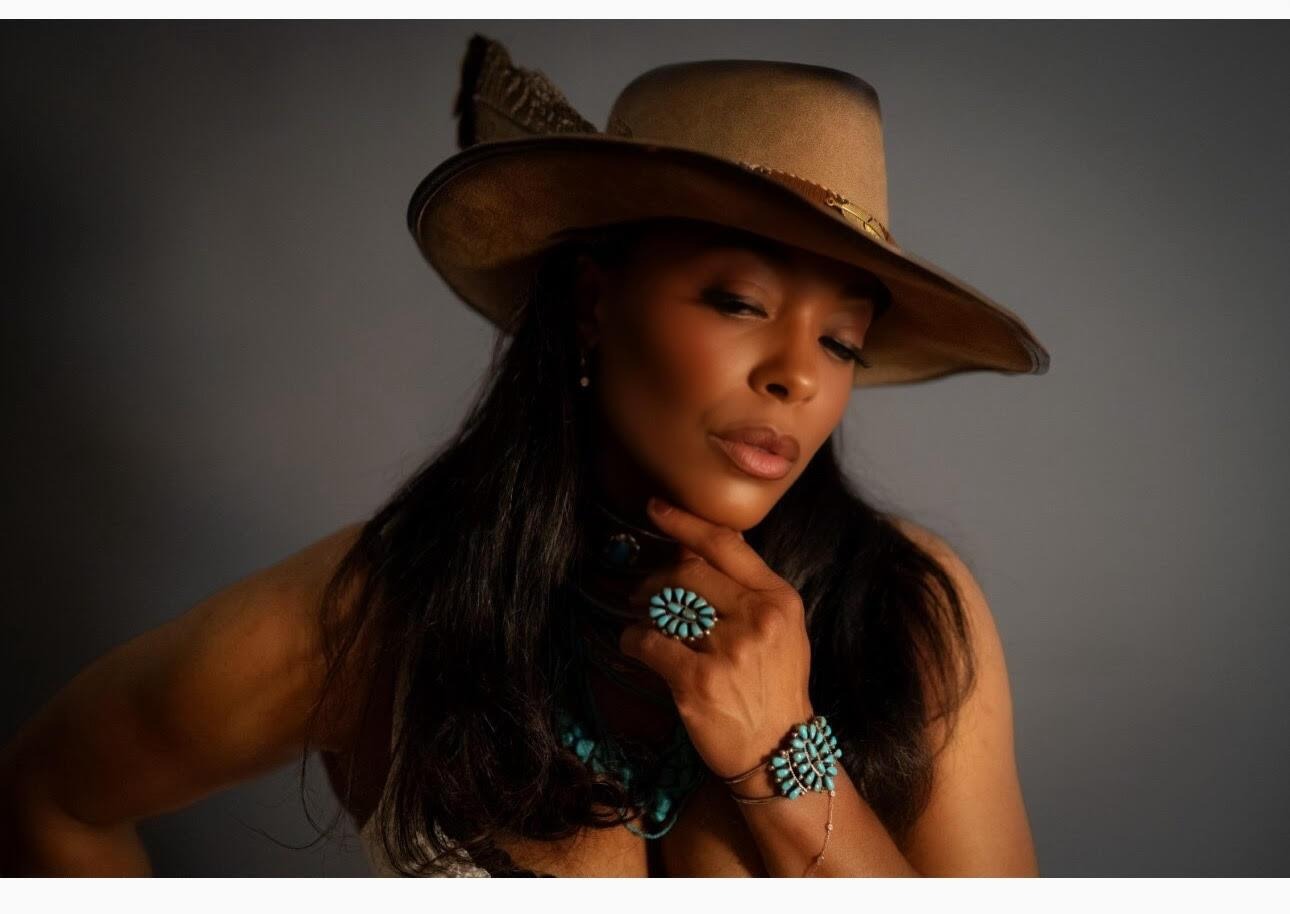
Redd Faye
What drew you to country music, and who were your early influences?
I don’t know. By 5 or 6, I loved to sing. To anything. Dog, doll, the sky. I grew up in a place where I could sing wildly and expressively, without borders. When I visited my grandfather on his farm in Oklahoma, on later visits my signed recording artist and great-uncle Stoney Edwards would play guitar and we would all sit on the porch and sing together. That seed grew after his death. To continual lineage, which belongs to me. Dolly Parton, Crystal Gayle, the Judds and Stoney Edwards.
My love for country music began [with] the storytelling, the connection, basic emotion, a freedom to exist.
How do you think the genre has changed since your involvement, if at all?
The game has changed a lot in country music since my great-uncle Stoney and his generation. Charmingly enough, so many people still love the recognizable sounds of country, folk, Appalachian that those roots have remained.
Music is like a wire—how far can you stretch it? It can stretch and evolve, but it still has a starting point. Collaborations have come from every walk of music to country now and some of them work.
There’s always a battle between contemporary and traditional country music. Where do you stand?
I suppose from the outside looking in, it can look like a battle. But from the inside looking out, I see banjos the steel guitar, drums, fiddles notes, and expression.
Yes, some of it is very different, but it all comes from an organic place. Finding the two that actually work together—that’s where something spectacular happens. It’s inevitable, to fit some of that in, but you’ve got to know when and when not to.
How do you describe your sound, and where does it sit in the country spectrum?
When I put my phone to someone’s ear or my mouth close to the microphone to sing, I expect to hear something warm, I recognize—something traditional—but I also expect to hear something surprisingly intelligible. Roughness versus softness. Desperation versus subtlety, anger versus love. Telling the story. Giving life to those origin expressions that come from us all. Like yodeling.
I don’t think music has to have boundaries, but the emotion and essence of what makes my voice my voice must be there. I think it’s important to have foundation in traditional country, but from there, it’s completely natural to take a fork in the road.
What inspired your next release?
I’m ecstatic to answer this because my next release is called “Yippee Ki Yay Mothertrucker.”
It’s about empowering us women and celebrating the unsung heroes I’ve met out on the road.
They’re great people, dedicated men and women with big hearts who just want to get the job done.
It’s truly about women truck drivers, but it’s also about the trucking industry as a whole. This industry has kept America moving for many years, as it will for many years to come. I’m proud to say it’s kind of a truckers’ anthem!
What’s next for you?
I’ve been putting my band together so we can begin our USA tour, and hopefully, in the coming months, take it overseas. I’m excited putting the name Redd Faye really out there and letting people commune with what we’re creating. Everything I’m doing is to connect and flow.
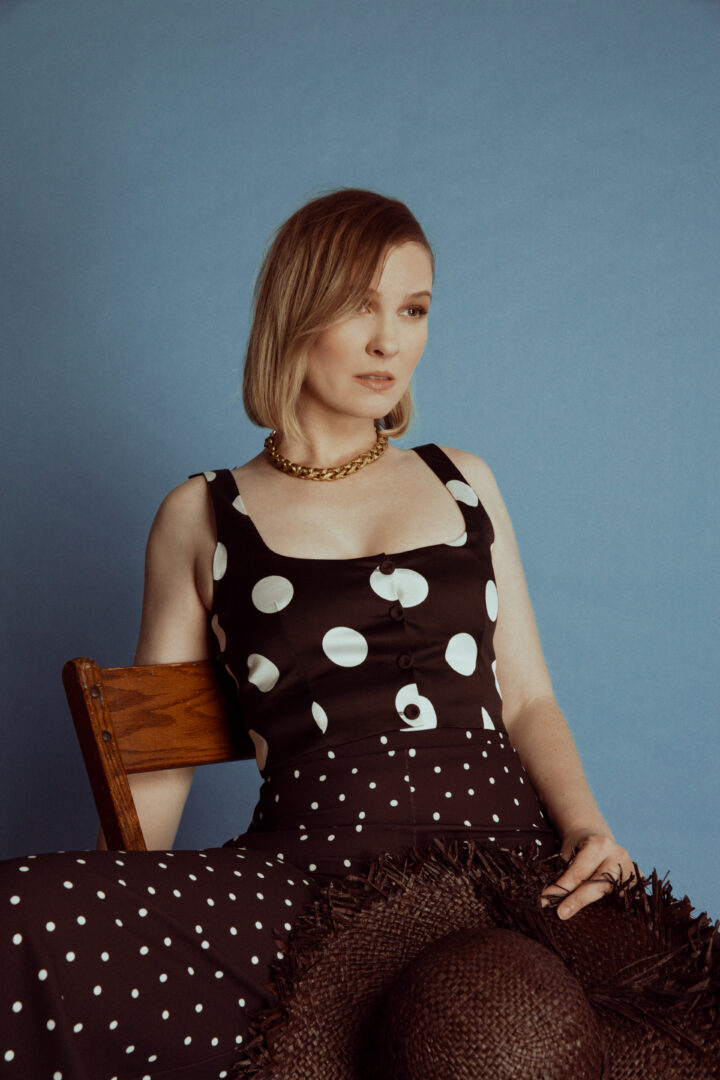
Jesse Lynn Madera
What drew you into country music, originally?
Love this question. I write songs that seem to fall into a few different genres, but country is pretty much always somewhere in there. My sensibilities as a songwriter come from growing up on country music. Willie, Kris, Dolly… they were gods. I was born In Parkersburg, West Virginia, and my grandparents were self-described hillbillies. Country music was always on the radio. Grandma sort of sounded like Kitty Wells when she sang around the house and Grandpa taught himself how to play banjo. I think I was just born with it in my ears.
How do you think the genre has changed since your involvement, if at all?
Well, it has changed a lot, and I know that’s a sensitive topic. Modern day country, on pop country radio, does sound a lot different from what I grew up on. And it’s not to say that the songs themselves aren’t good. I think those hitmakers still crank out some well-crafted songs. The '90s were a glorious time in country music, and I miss those kinds of songs, that kind of production, that kind of musicianship. On the other hand, we have never had so many incredible singers all at once! I just guess that the demand may have changed or something. I’m not sure. But I don’t consider myself a true country artist anyway, so maybe I should just keep quiet!
There’s always a battle between the traditional and contemporary. Where do you sit?
Team traditional, I’m sentimental.
How do you describe your sound, and where it sits on the country spectrum?
I am an artist like a painter is an artist and I see what I do as creating collections. I’m indie so I have some freedom to just write and sing what comes naturally. We moved around a lot when I was young so I picked up a lot of different sounds. Country music tends to show up somehow, somewhere in most of my songs but I don’t know that I’d be officially classified as a country artist. Some of my songs, like ‘Austin’ or ‘Sweet Pretender’ or ‘That House’ fit neatly on the spectrum. I’d say they’re more '90s country with some southern rock. There’s a Hammond on Austin for instance, which probably immediately gets it kicked out of the Country Club.
Tell us about your latest release...
My latest single is called ‘Woke Up In L.A.’ and it’s my version of country. There’s a lot of Dolly influence I can hear, there’s an Appalachian feel to the melody. I wrote it several years ago about moving from New York to L.A. and fantasizing about Montana. I love so many places and am an escapist. I’d left my band in N.Y.C. and moved to L.A. for love. It was scary to leave the momentum I’d achieved for a place where I hardly knew anyone and to start over from scratch. I was scared. I was not fun to live with and I take responsibility for my own discontentment. I learned from that time of life and I don’t regret the move at all.
What do you have planned for the coming months?
I’m about to go on tour with Amy Speace in October, play festivals in winter, more shows in the early spring, and then I’m heading out late spring with Colin Blunstone to tour in the Netherlands. I’m also finishing writing songs for my next album and will be recording those soon. Looking forward to all of it!
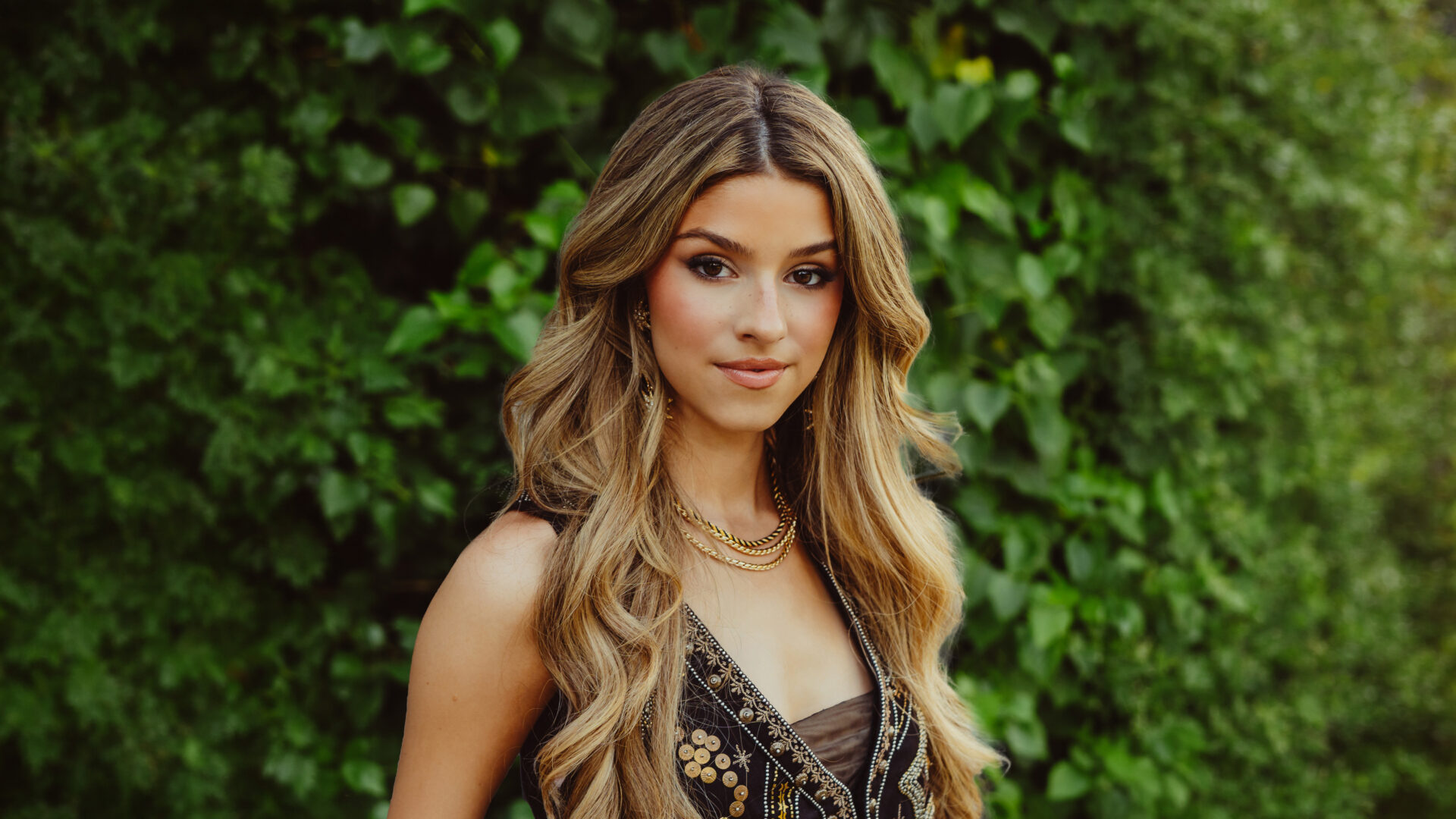
Hailey Benedict
What drew you into country music, originally?
From an early age, I remember twirling in my living room with my mom to artists like The Chicks, Dolly Parton, Shania Twain, and Martina McBride. A couple of years later, I was gifted a CD and discovered my love for Taylor Swift. I was immediately enthralled by her picturesque storytelling and the sheer relatability of her music. Looking back, it’s funny because I never even realized the music I was listening to was “country” at the time. To me, it was always just great, relatable music that made me feel something. One thing I always admired about my parents is that they listened to all types of music without ever putting it in a specific box or genre. Although they weren’t musical themselves, we had music of all kinds playing around the house. When I started writing songs at age nine, much of what I grew up listening to naturally infused itself into my sound. As I developed, it became very apparent that storytelling, the true core of country music, was always the North Star of my writing and became the true home for my music.
How do you think the genre has changed since your start, if at all?
I think the genre itself has embraced a crossover spirit over time, and it has been so exciting to watch it grow. Country music has so many different influences nowadays, and with so many diverse voices, its landscape has become incredibly rich and special. There is a reason it is one of the biggest genres today, and I believe that’s due to its ability to embrace so many subgenres. But the really special part is that no matter where it explores musically, country storytelling always lies at the center.
There’s always a battle between the traditional and contemporary. Where do you sit?
I would definitely say contemporary, but it often depends on the song. Part of the joy of being a songwriter is that sometimes a song naturally writes itself, and almost in a kismet kind of way, it chooses its own style. Those writing moments can exist separately from my specific artist brand, letting the song dictate whether it leans more traditional or modern.
How do you describe your sound, and where it sits on the country spectrum?
I’d describe my sound as a true country-pop mix. The heart of it is always in the lyrics, and like any good country song, my favorite challenge is nailing the “hook” or the “flip.” Musically, I love to experiment and infuse whatever I’m currently listening to into my own songs, regardless of the genre. I like to think of musical genres like a really good painting: you can paint a beautiful picture using just the color red, but there are so many other colors on the palette. Adding those different shades makes the art more vibrant, dynamic, and full of depth, so why not use all the colors available to you? I feel the same way about creating music and trying not to let anything keep me in a box.
Tell us about your latest release...
“Chem History” is my newest single, and it captures that country-pop fusion I was describing earlier. Sonically, it features staple country instrumentation like steel guitar, banjo, and shimmery acoustics, but we also layered in luscious vocal stacks, unique synths, and pop-leaning melodies. The song actually started as a hook I had saved in my phone. It’s not just a play on words, but a clever, tongue-in-cheek way to describe that one relationship that always has a funny way of reappearing in your life. It tackles that age-old question: could it be fate, or is it just a bad habit? I had so much fun co-writing this one with my incredibly talented friends and co-writers, Claire Douglas and Clara Park!
What do you have planned for the coming months?
It’s been such an exciting year getting to release the music I’ve been working on for the last couple of years. I’m incredibly grateful for my team at Big Loud and how much they’ve encouraged me to write and push myself to constantly beat my own catalogue. On top of having new music out, I’m continuing to write and work toward my debut album. I’ve been collaborating with Josh Kerr (Keith Urban, Maddie & Tae, Thomas Rhett) on producing, and it has been so inspiring to watch his process and learn alongside him. Beyond the studio, I absolutely can’t wait to get back out on tour and connect with fans everywhere!
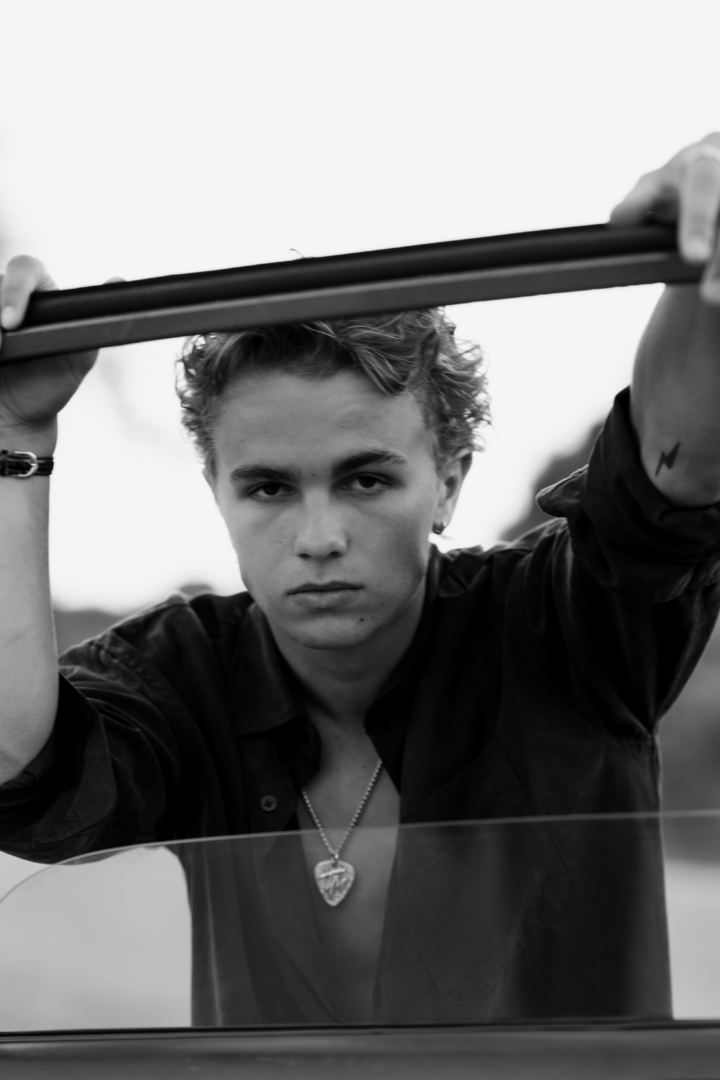
Timmy McKeever
What drew you into country music, originally?
For as long as I can remember it’s always been country music playing around the house and in the car. It was always legends like Eric Church, Jason Aldean, Toby Keith… guys who influenced me as well as many other artists. Growing up on the West Coast, people think it’s strange that I fell into country music but because that’s all that we listened to, it felt right.
How do you think the genre has changed since your start, if at all?
I think it’s definitely widened as far as what can classify as a “country” song. I believe streaming has had a huge impact on the genre as a whole because artists are now being influenced by whatever kind of music they want to listen to. I think some artists have been influential in the sonic trends of the mainstream genre, and that goes back to the roots of it. There have always been trailblazers like Hank Jr. and other legends that redefined the genre, but I think the interesting thing about country music today is not the mainstream trend but all the different subgenres that fall beneath it. I think this aspect of it will only continue to grow as country music expands its global reach.
There’s always a battle between the traditional and contemporary. Where do you sit?
Full transparency I pull from so many different influences that I think my music has flavors of both. I listen to classic country just as much as I do contemporary. But I also listen to rock & roll, pop punk, rap, and many other genres, and I think all of it comes to light in its own unique way with the different melodic, lyrical, and production decisions I make.
How do you describe your sound, and where it sits on the country spectrum?
I describe my sound as rock-leaning country with pop elements. At the end of the day, I make music that feels authentically cool, and music that feels like me. I’m just grateful that my music has been able to reach an audience that connects with my sound like I do.
Tell us about your latest release…
My latest release is a track called “Drove Her Away.” It’s a feel-good take on a breakup situation about taking accountability for the relationship ending. It lives up to its name and is a great song to bump with your windows down on a backroad, on a boat, or anywhere in between. I love the track so much and I hope the fans love it as much as I do!
What do you have planned for the coming months?
Our next release is one of my favorite songs I have ever written, and I absolutely cannot wait to get it out. Aside from that I’m grateful to be able to spend some time in Nashville as touring for the year winds down and pull back the slingshot as we head into next year. Right now, I’m in the works with what is in my opinion the best music I’ve ever created.