
Web: future-islands.com
Contact: clarisse@atcmanagement.com
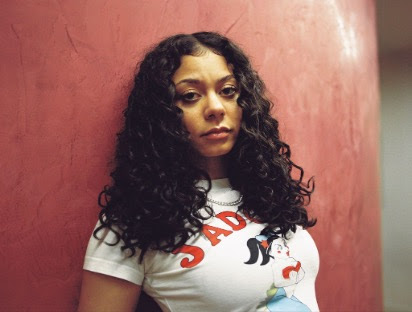
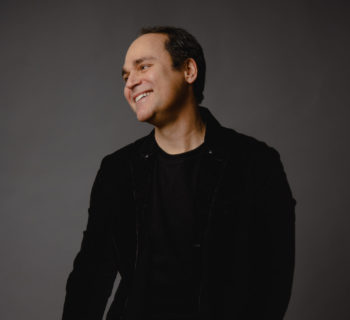
Players: Samuel T. Herring, vocals; Gerrit Welmers, keys, synths, programming; William Cashion, bass, electric guitar; Michael Lowry, drums, percussion
For a collection of students who first came together at East Carolina University in Greenville, North Carolina, Future Islands’ three-night stand was impressive on several levels. Not necessarily because of the musical performance itself, but because 20 years after their formation, they were still capable of selling out a 700-seat room three consecutive nights.
That achievement alone deserves recognition.
In an industry where most bands struggle to survive a few years, Future Islands have built a loyal and devoted audience that has followed them from college-town clubs to international stages. Their staying power is undeniable, and judging by the packed house, their appeal has not diminished.
The audience reflected that success. The room was filled with longtime fans, younger listeners discovering the band, ECU alumni, parents, and local music lovers. There was a genuine sense of anticipation before the lights went down.
The set opened strongly with recognizable favorites including “Grease,” “King,” “Tower,” and “Dream.” Frontman Sam Herring immediately established himself as the focal point of the evening. His energy remains remarkable. Two decades into the band’s career, he still attacks the stage with the enthusiasm of a performer half his age, throwing himself into every lyric, gesture, and movement.
Unfortunately, the visual and sonic presentation often worked against the performance. Herring’s commanding presence, combined with lighting that frequently left much of the stage in darkness, rendered the trio behind him nearly invisible for long stretches. The musicians responsible for creating the band’s distinctive sound became background figures despite their obvious importance to the music.
As the evening progressed, the performance became something of an endurance test. Songs flowed one into another with little introduction or context. While longtime followers likely appreciated the momentum, first-time listeners were given few opportunities to catch their breath or gain entry into the material.
What was most frustrating was the sense that a stronger show was buried somewhere beneath the mix. Future Islands possess a catalog full of emotion, tension, melody, and nuance. The synthesizer textures, bass lines, and percussion patterns that give the songs their character were often swallowed by a blanket of sound that obscured detail and dynamic range.
To the band’s credit, they never wavered. Herring continued to give everything he had, and the audience remained engaged throughout. There is something admirable about a group that still performs with this level of commitment 20 years after its formation. Many bands from their era have disappeared entirely; Future Islands continue to draw large crowds and inspire fierce loyalty among their fans.
Future Islands clearly still matter to a great many people. On this particular night, however, the production never quite allowed the music to shine as brightly as as the audience's enthusiasm suggested it should.