“If this is a dream, don’t wake me up.”
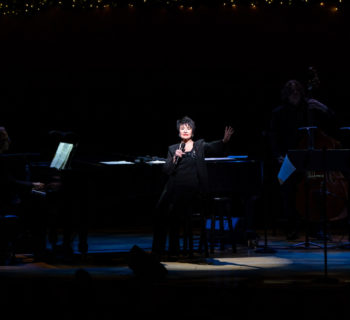
Blair Aaronson’s opening words at Catalina Jazz Club in Hollywood carried the excitement one might expect from a composer hearing his music performed live by an all-star ensemble. Yet as the Los Angeles-based songwriter, pianist and six-time Telly Award-winning composer stood before a packed room on the evening of his birthday, it quickly became clear that this was about something far more profound and revelatory than a concert. It was the culmination of a decades-long creative journey and the realization of a dream that had been delayed not by a lack of talent, , but by something far more universal: fear.
For much of his professional life, Aaronson has occupied a fascinating space between artistic ambition and practical success. His music has been recorded by major orchestras in Prague, Vienna, Russia and Sofia, Bulgaria. He has collaborated with renowned arrangers and orchestrators including Nan Schwartz, Bill Ross, Rob Mounsey and Alan Broadbent. His original compositions have earned multiple accolades for various media projects. Aaronson has spent decades creating music that largely remained unheard outside recording studios and private listening sessions.
As he candidly explained from the stage, after completing project after project he would often find himself saying, “I’d love to hear this tune played live.” Friends would invariably respond with a simple solution: “Great. Do it.” The answer, however, was never that simple. The questions that followed were the ones that ultimately kept so much of the music hidden away. Who would come? And if they did come, what if they hated it? Rather than risk discovering the answers, Aaronson admitted that many of those compositions simply went into a closet, joining dozens of others that accumulated over the years.
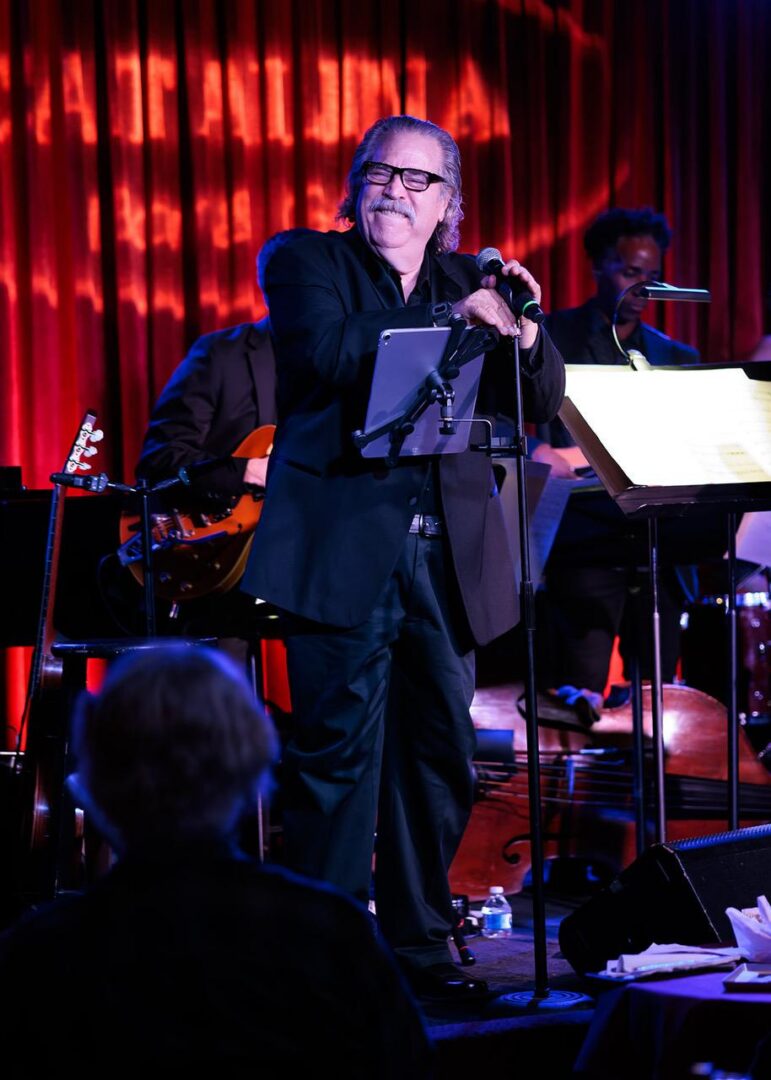
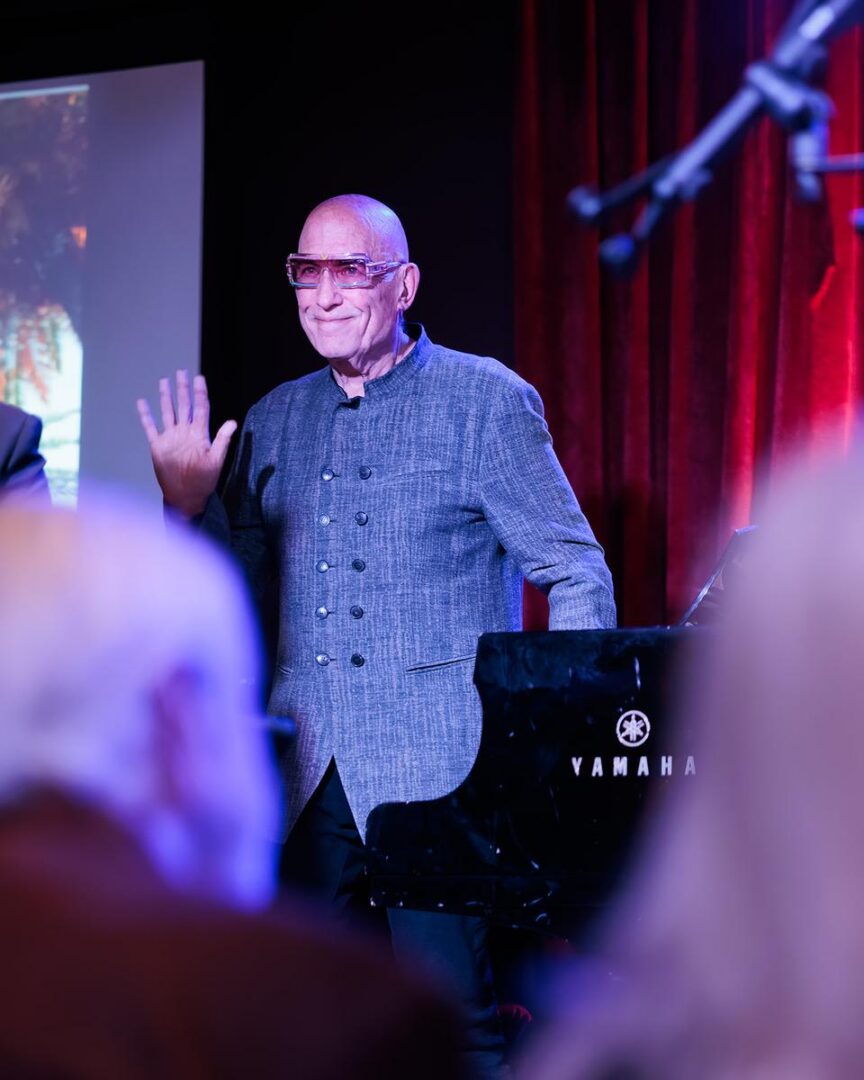
Many of the evening’s most memorable songs also reflected Aaronson’s enduring creative partnerships, particularly with longtime friend and collaborator James Haymer, whose lyrical contributions helped shape several of the concert’s signature moments, including “All Because of You,” “What Might Have Been,” “Cheatin’ Again,” “Redemption Road,” “Find It In Your Heart” and the uplifting finale “I Believe in Good.” Tamir Hendelman has also several collaboration credits with Aaronson, including the instrumental composition “Beloved Sadness.” Those collaborations underscored another important dimension of Aaronson’s artistry: while the evening celebrated one composer’s long-awaited leap of faith, it also honored the trusted creative relationships that helped bring many of these songs to life.
The irony is that the audience gathered at Catalina Jazz Club was witnessing the work of a composer whose musical imagination has never recognized stylistic boundaries. Throughout the evening, Aaronson’s songs moved effortlessly among jazz, soul, country, orchestral music, gospel and singer-songwriter traditions, revealing an artist whose greatest loyalty is not to a single genre but to melody, compelling storytelling and hard-won emotional truth. The concert’s subtitle, An Immersive Musical Experience, turned out to be an apt description not only of the music itself but also the personal history behind it.
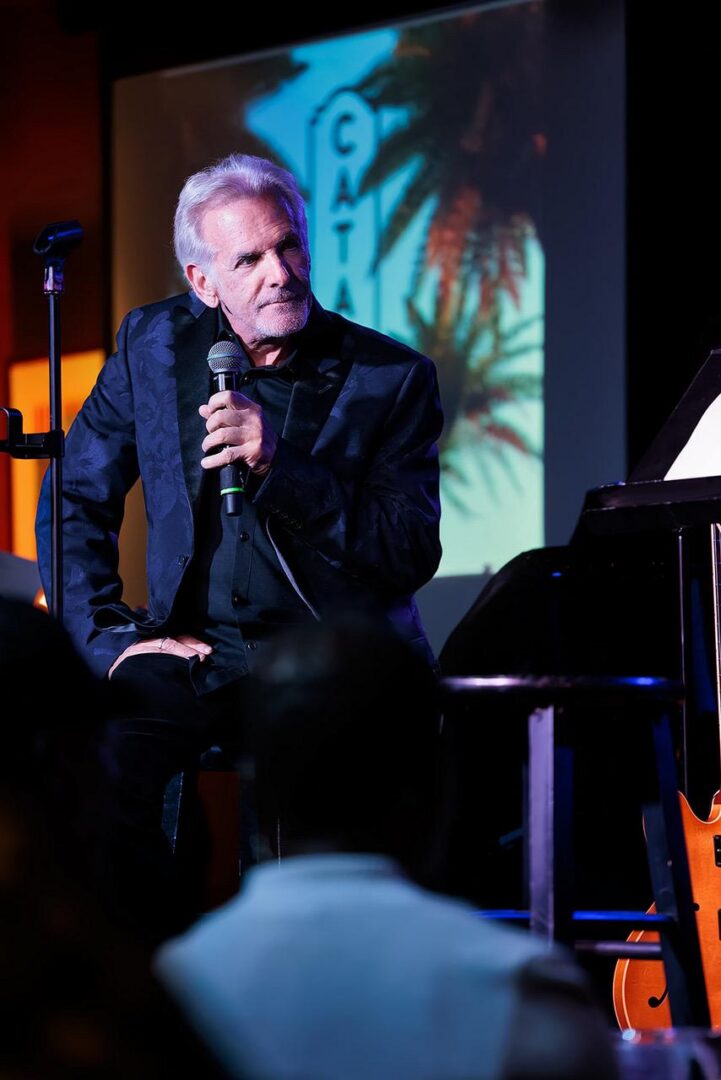
Helping bring that history to life was veteran KJazz 88.1 personality Jose Rizo, whose thoughtful commentary provided context throughout the evening. Rather than functioning as a traditional emcee, Rizo acted as a guide through Aaronson’s musical world, offering insights into the inspirations behind the songs while allowing the performances themselves to tell the larger story.
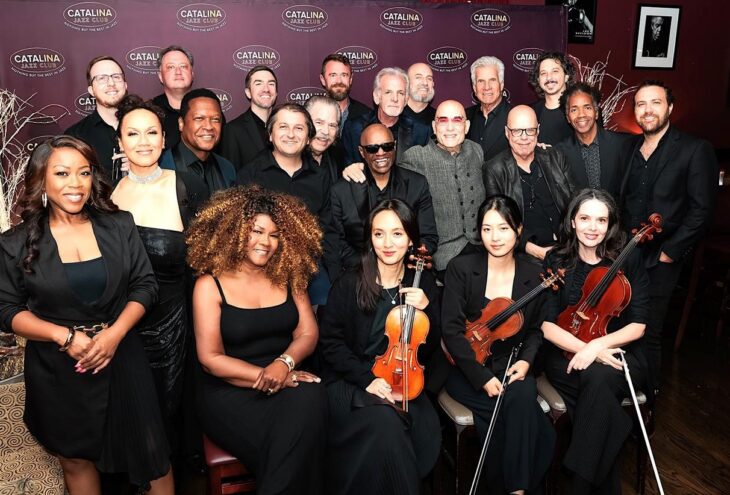
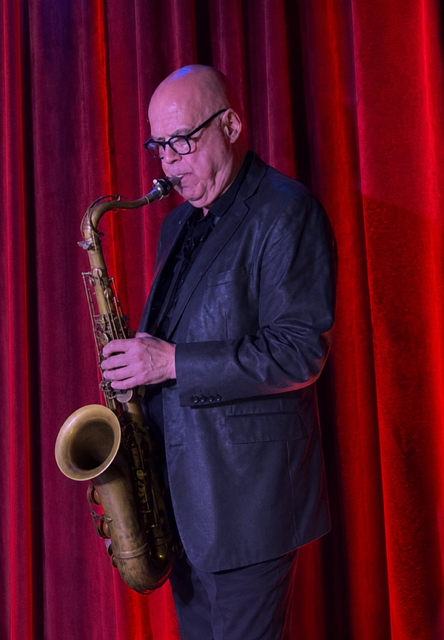
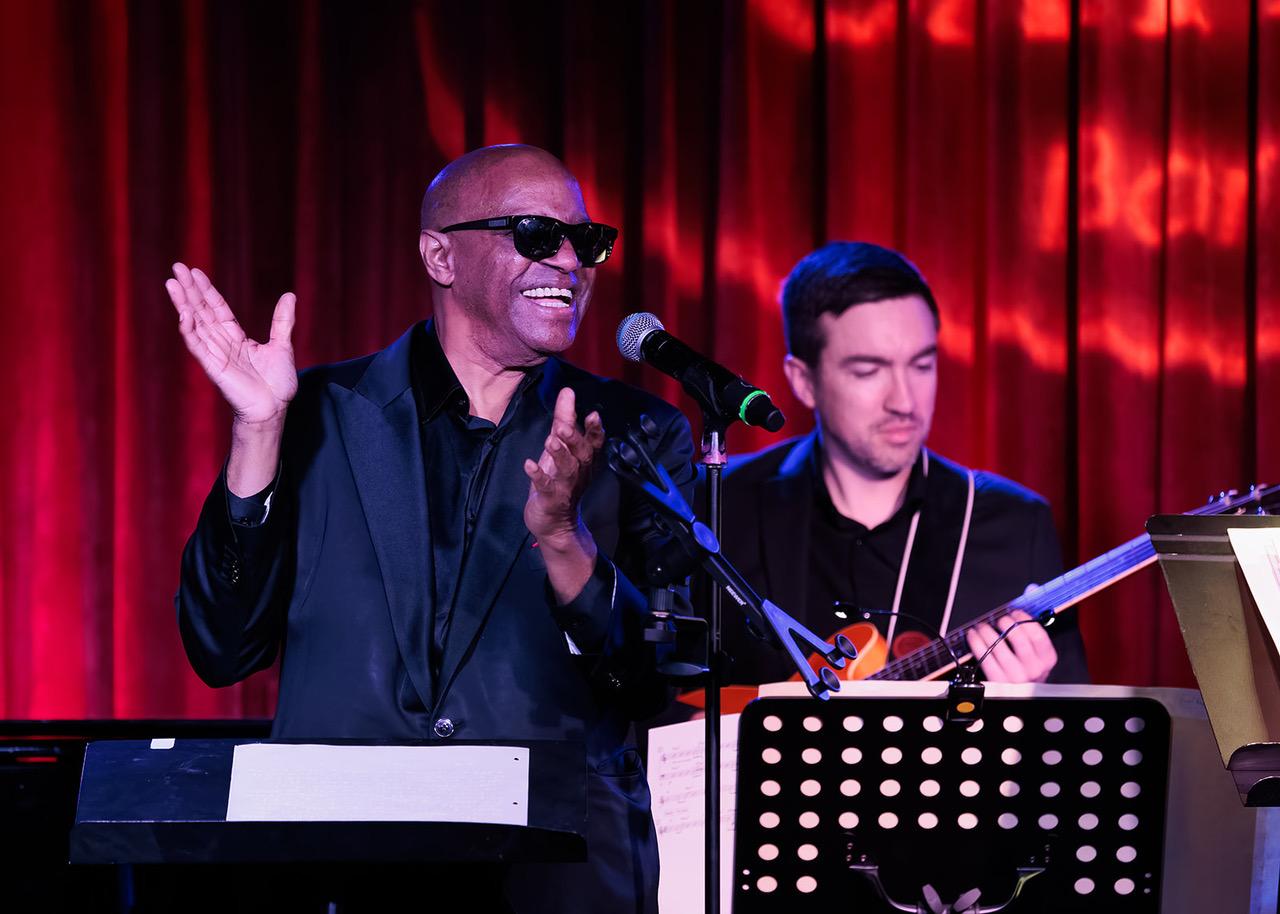
The story was further enhanced by an extraordinary collection of musicians Aaronson assembled for the occasion, many of whom have occupied prominent places on the Los Angeles music scene for decades. Pianists Mike Garson and Tamir Hendelman, saxophonist Bob Sheppard, bassist Edwin Livingston, drummer Charles Ruggiero, guitarists Dan Kalisher and John Schroeder, trumpeter Chris Lawrence and conductor Steve Rawlins were joined by acclaimed veteran vocalists David Sparkman, Randy Crenshaw and Ellis Hall, creating a multi-faceted dream ensemble charged with this sacred unveiling and uniquely equipped to navigate every stylistic turn in Aaronson’s expansive catalog.
For for all the evening’s exceptional performances and musical variety, the concert became its most personal and revealing when Aaronson himself took the stage to perform “What Might Have Been.” Introduced as a touching exploration of life’s roads not taken, the song was inspired by a conversation with a longtime friend and former bandmate facing significant health challenges. During a discussion about their shared past, the friend offered a startling confession: “Every decision, every choice I made was wrong.” The comment stayed with Aaronson long after the conversation ended, eventually inspiring one of the evening’s most poignant compositions.
Accompanying himself on piano, he delivered the song in a voice that carried the authenticity of lived experience. While his performance lacked the polish and intensity of the professional vocalists who had appeared earlier, that subtle sincerity became its greatest strength. As Aaronson sang about lost opportunities, lingering questions and the unavoidable tendency to wonder how life might have unfolded differently, the song transcended autobiography and became something profoundly human and relatable. Supported by subtle strings and enriched by vivid imagery, “What Might Have Been” felt less like a performance than a confession, and the audience responded accordingly.