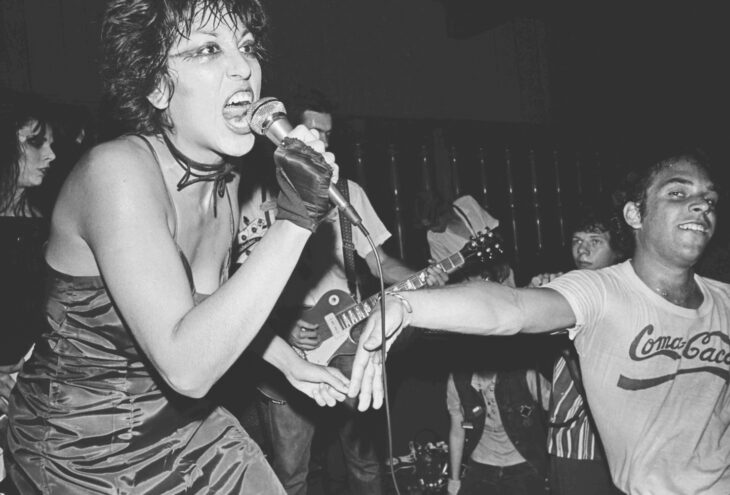
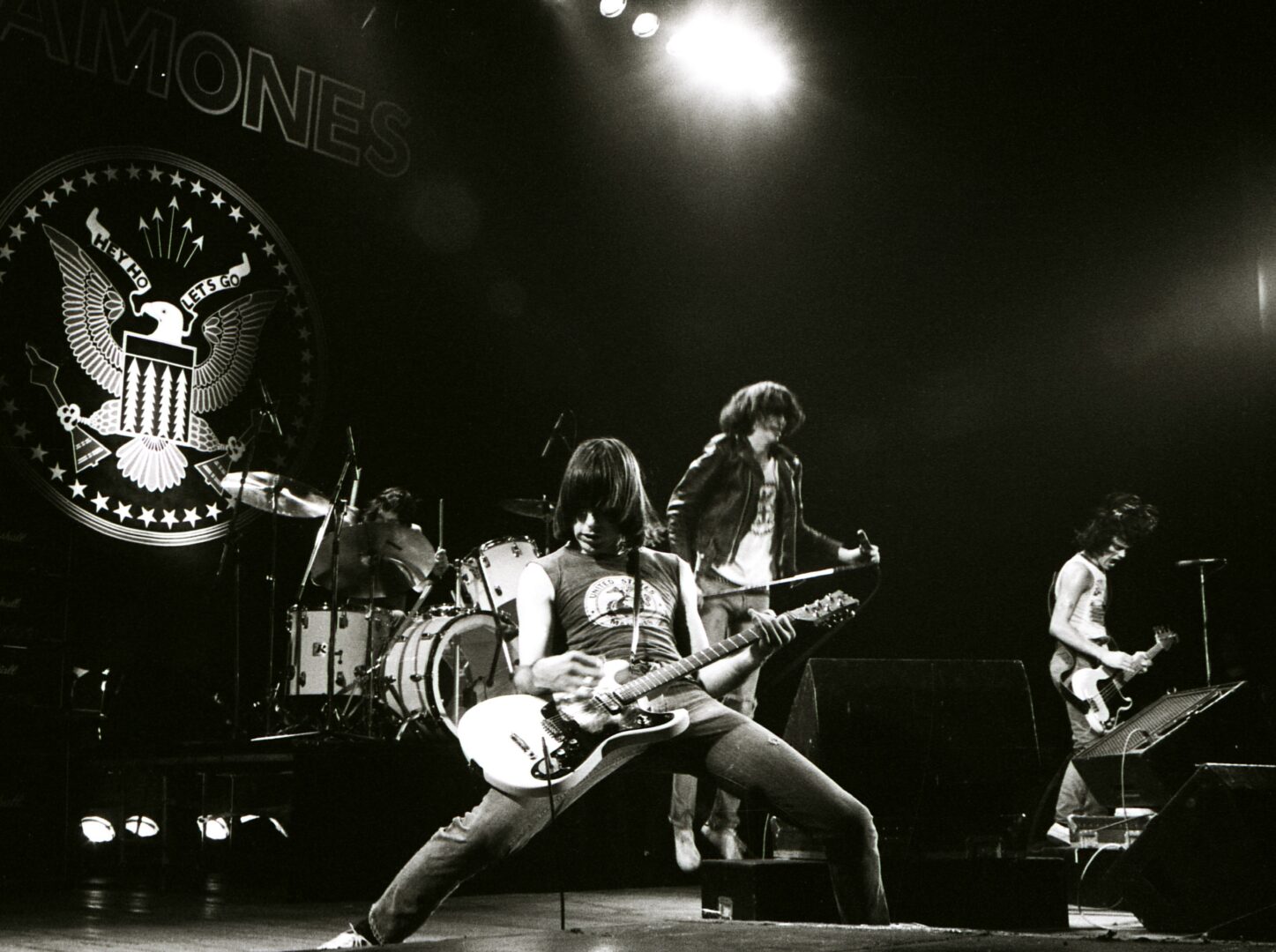
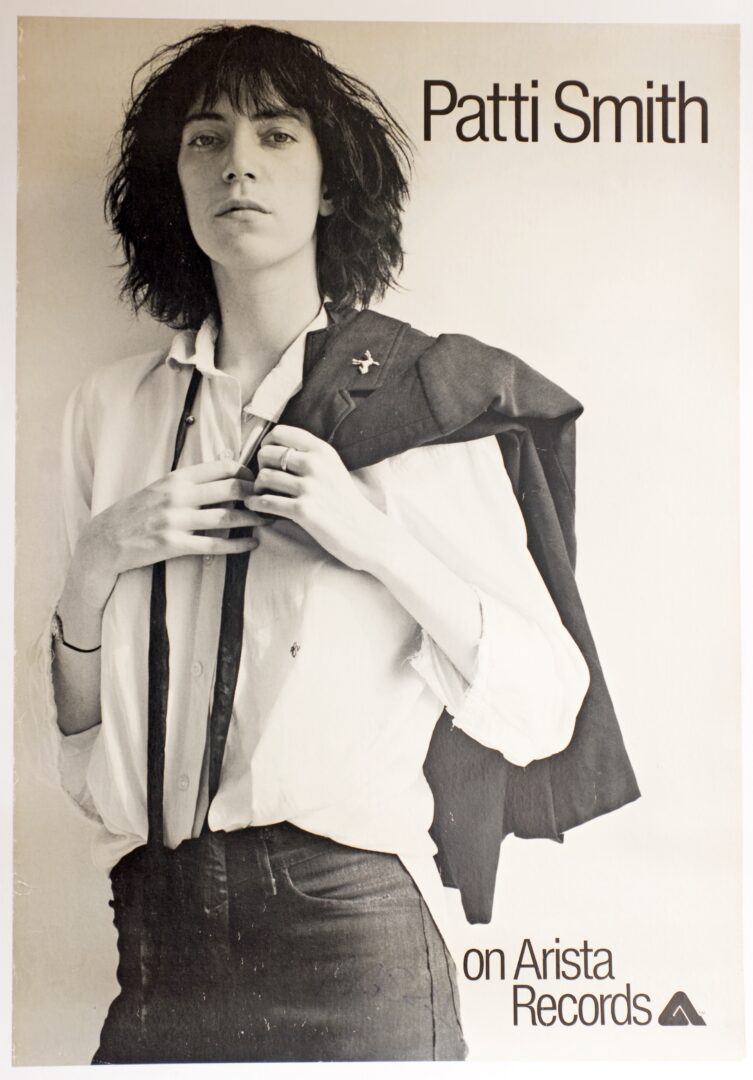
The Skirball’s new exhibition, Outsiders, Outcasts, Rebels + Weirdos: Punk Culture 1976–86, comes with its own playlist (which we highly recommend tuning into as you peruse the show), and there are free grainy xerox takeaways, so that’s already more fun than the usual artifacts-in-a-glass-box history show. But in its quirky exhibition design and the evocative staging of its premise—that visual art didn’t just document or promote the music; it carved out the cultural territory where the music could proliferate and disseminate—the museum lets its inner rocker out to play. For a movement born out of a total refusal of preciousness, the show proves punk’s lasting footprint is inseparable from its radical, yet disciplined, visual language.
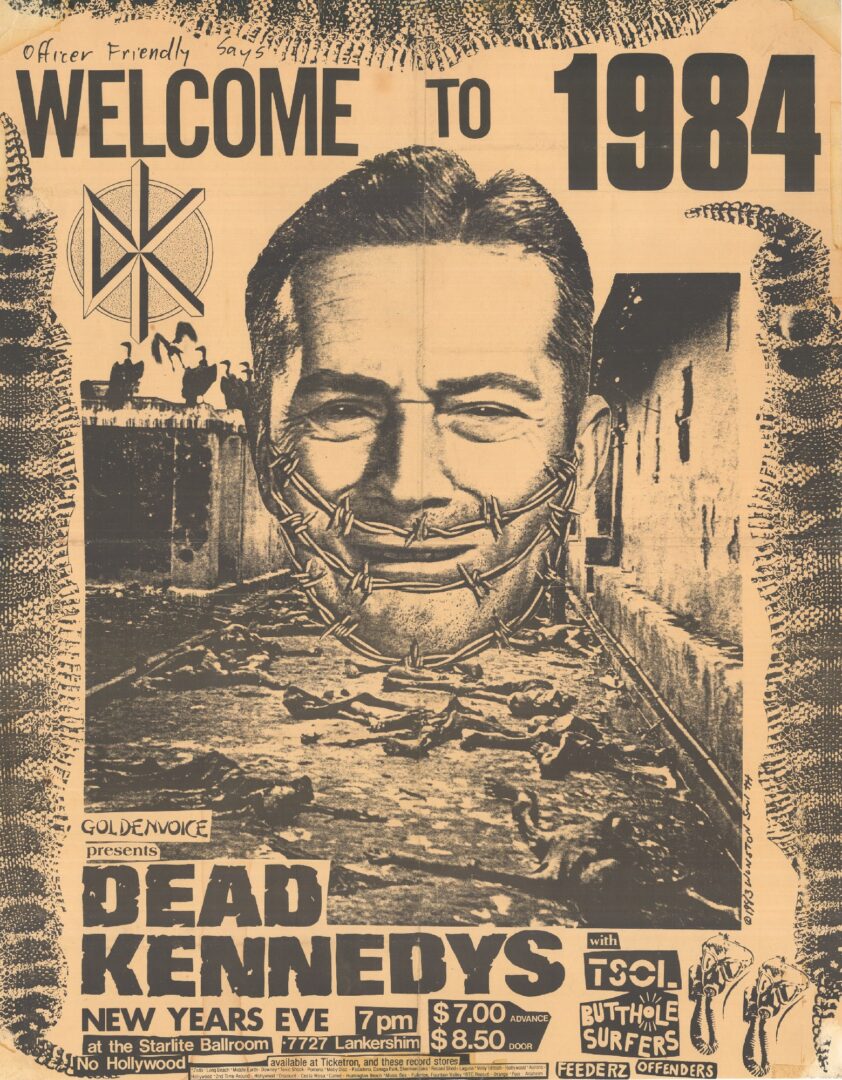
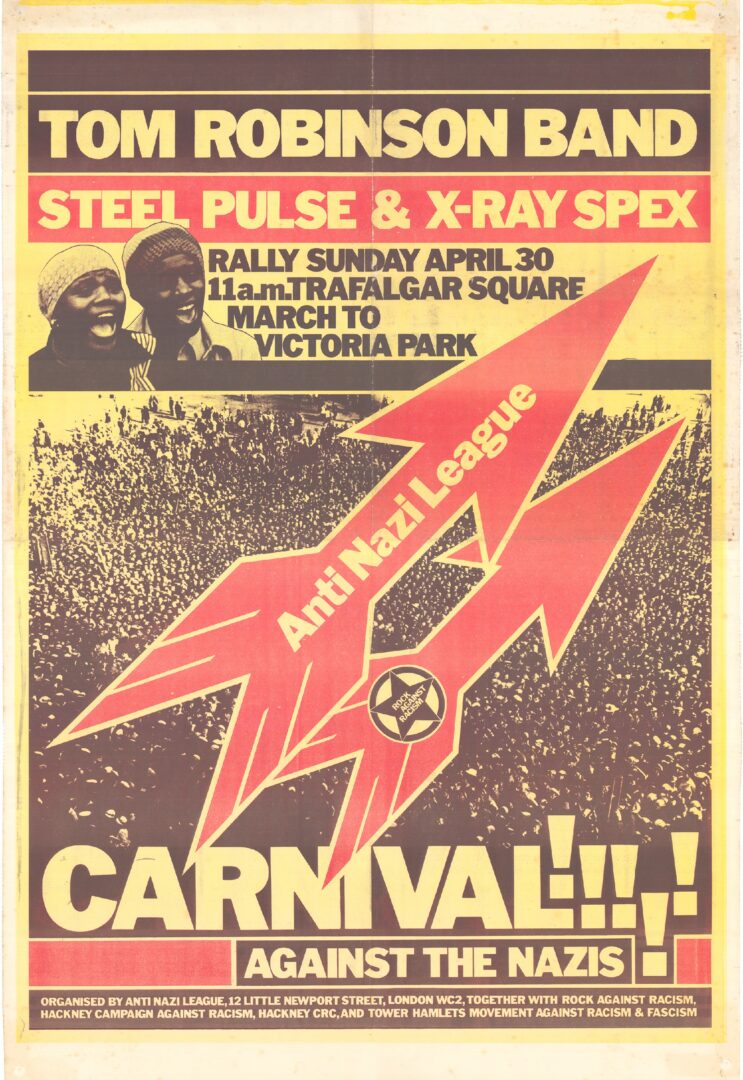
While overwhelmingly presenting fliers and album art, band logos and posters as the original source material, the exhibition features independent print media prominently as well, pairing original copies of John Holmstrom’s Punk Magazine with stark visuals like the unmistakable frontman poster for the Screamers. And there is a striking moment where the sound materializes as wearable art—with custom-altered Vivienne Westwood and buttons galore alongside handwritten lyric sheets reminding us that the unique energy of human-handed artistry was a huge part of the point, a pushback against corporate culture and oligarchal greed with echoes of the present.
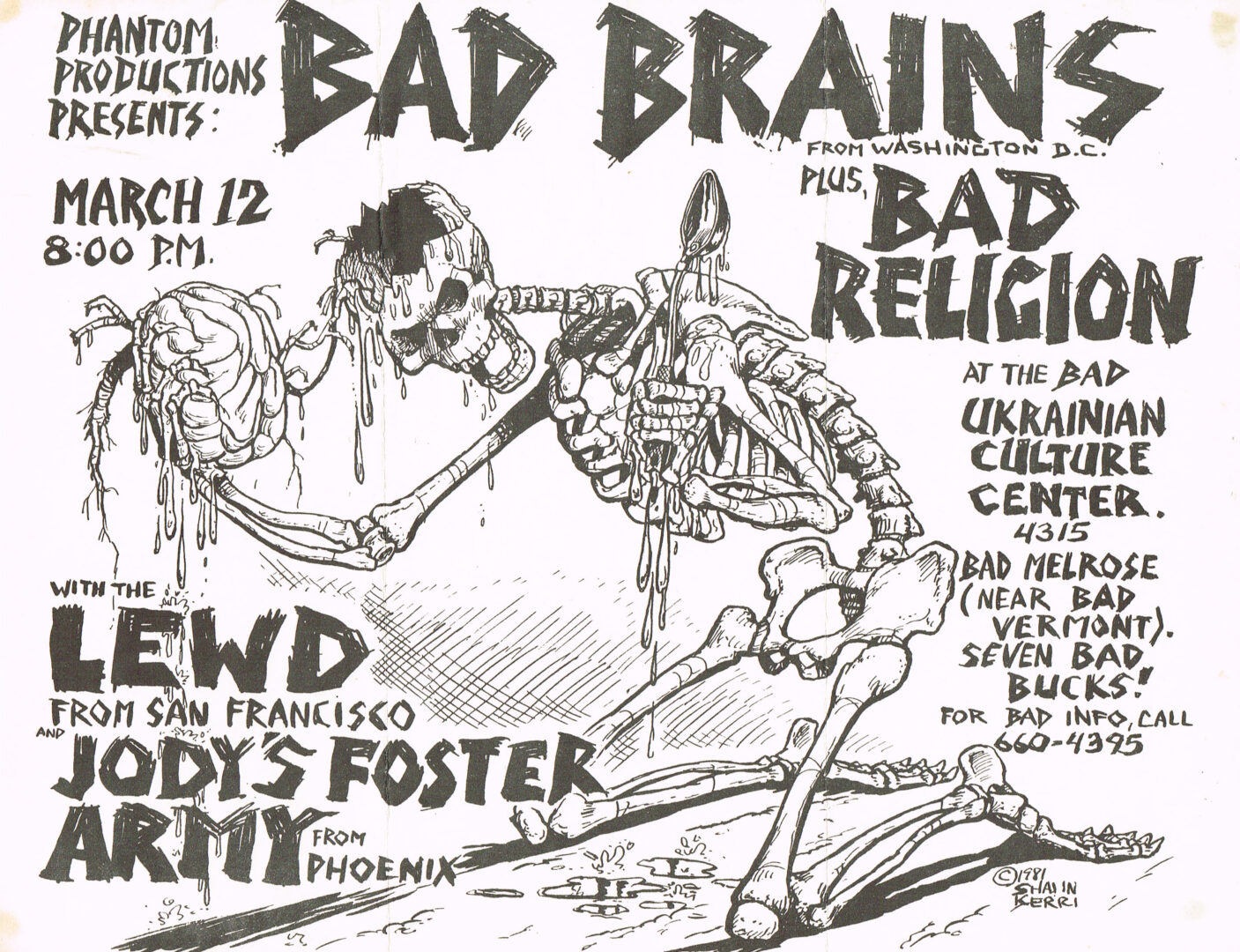

Importantly, the show celebrates the Skirball’s specific context by pulling on a foundational, often overlooked thread—the massive wave of Jewish musicians, writers, and artists who helped build the movement. From the affecting, electronic dread of Alan Vega and Suicide to the hyper-kinetic New York roar of the Ramones, and the biting, poetic satire of influential icons like Lou Reed, the exhibition demonstrates how a deep-seated heritage of identity and exile was channeled directly into a radical counterculture.
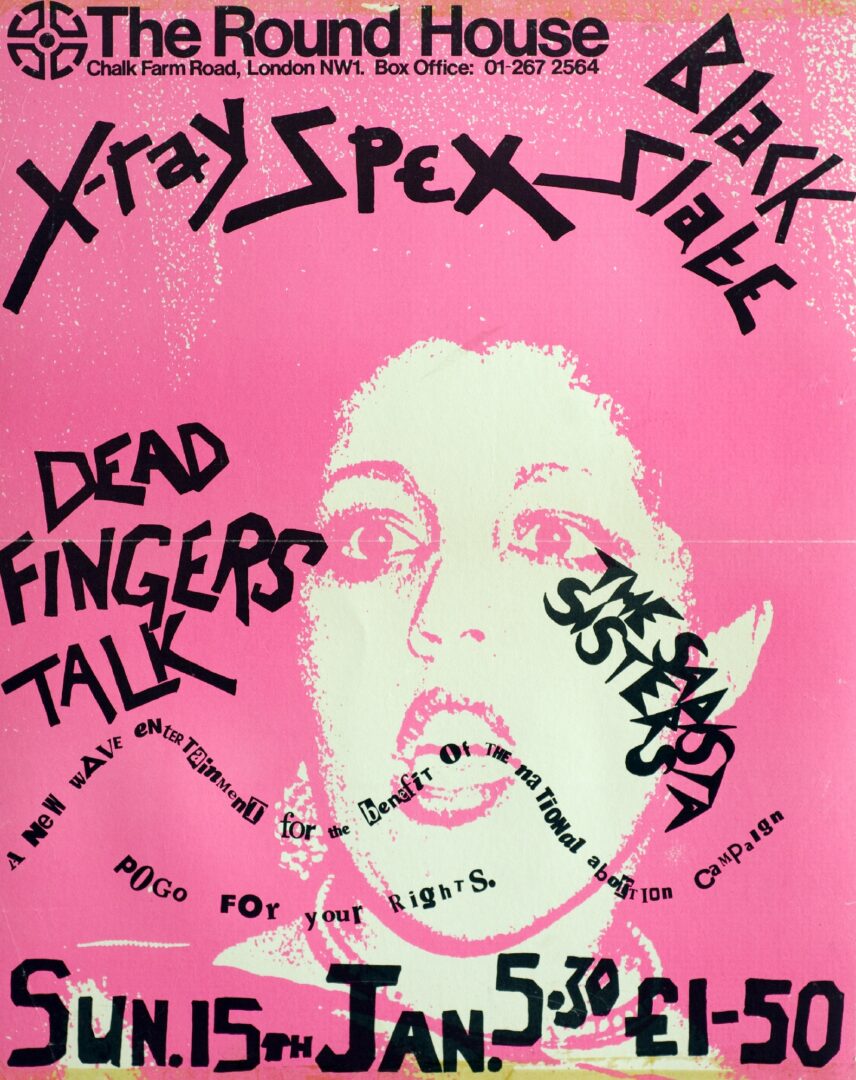
And for anyone who lived in Los Angeles at the time, SPRAWL CITY: LA Punk Venues 1977–84 maps that bygone landscape like a Thomas Guide of the damned, charting a decentralized network of basement clubs, dive bars, abandoned buildings, parking lots, and makeshift halls winding across the region. Hand-lettered, xeroxed bills—like the flyers for the Weirdos and DEVO at Myrons Ballroom or the classic X and Germs bill at Hope Street Hall—were throwaway tools designed to pull a subculture out of the woodwork in real time. And it worked. While these ephemeral treasures of contemporary art may have been destined for windshields and telephone poles rather than museum archives, now they are part of art history.
At the Skirball through September 6; skirball.org