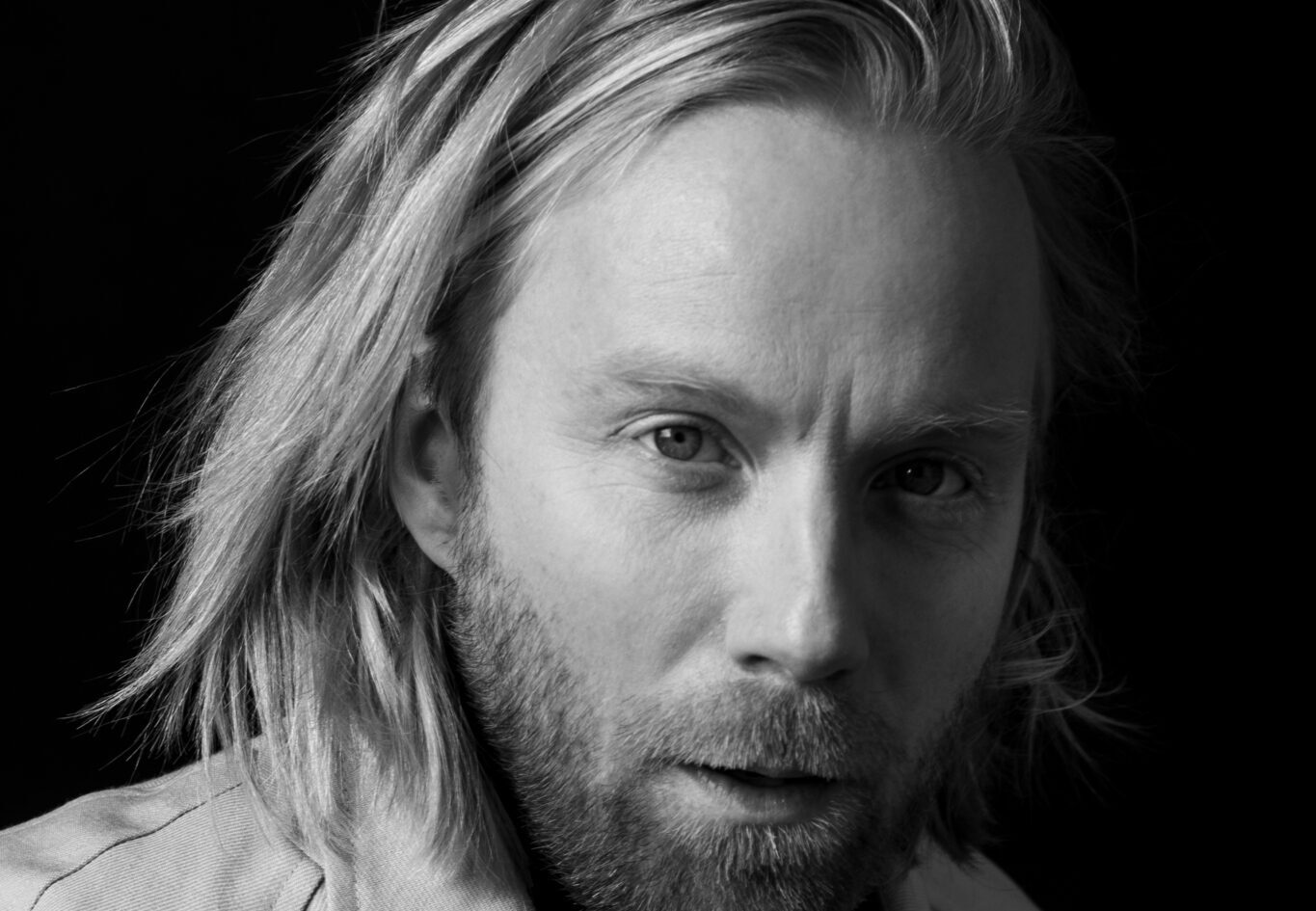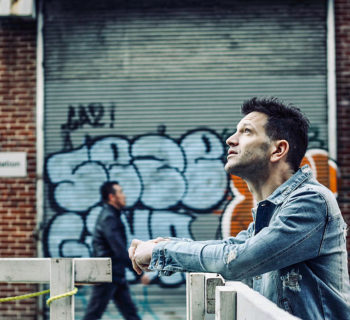
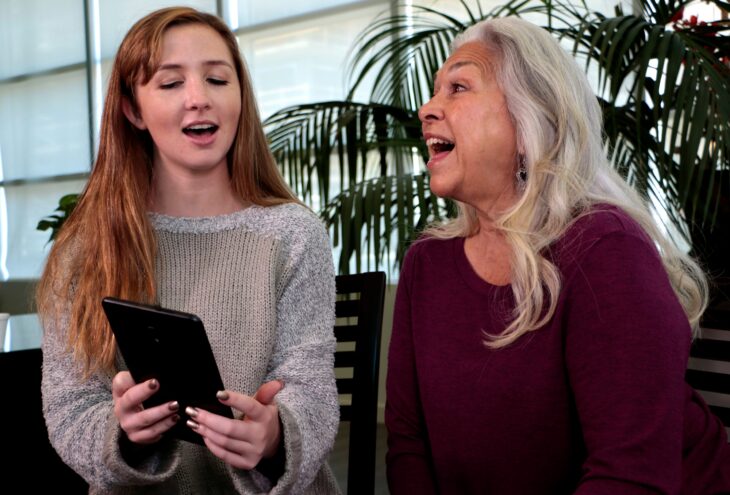
Music is powerful. It brings us together and offers hope when all seems lost. Many credit a song with saving their lives. Though much of the mind’s inner workings remain a mystery, the link between music and cognitive health is undeniable. Siblings Andy Tubman and Rachel Francine have long been aware of this mystical bond.
Their unconventional father, Lou Tubman, adored opera. Serving in the armed forces during the ‘60s, he would sneak off base for operatic singing lessons. He also spent time as a live prompter, assisting performers with cues and lyrics mid-show while hidden away onstage. He similarly possessed a love for technology. Francine refers to him as a “crazy inventor” before casually mentioning that he once owned a beanbag factory. Instead of going to the beach every year, he would drag the family to CES, the prominent tech convention. “He was never 100 percent wrong about something,” his daughter insists, “no matter how absurd the idea.”
Their dad’s influence manifested in numerous ways. As teenagers, the brother and sister earned money running Philadelphia’s first karaoke sessions. That set the stage for Francine to enter the high-tech industry, where she helped roll out numerous Web 1.0 companies. Andy, on the other hand, inherited his father’s passion for music and played in high school bands. While in college, one of his bandmates was in a car wreck and fell into a coma. He dutifully played Elvis songs by the friend’s bedside night after night, hoping it would help. The patient awoke months later mouthing the words to the King of Rock and Roll’s “I Miss You.” While visiting his buddy in physical rehab, someone suggested that Andy become a music therapist, an occupation he decided to pursue.
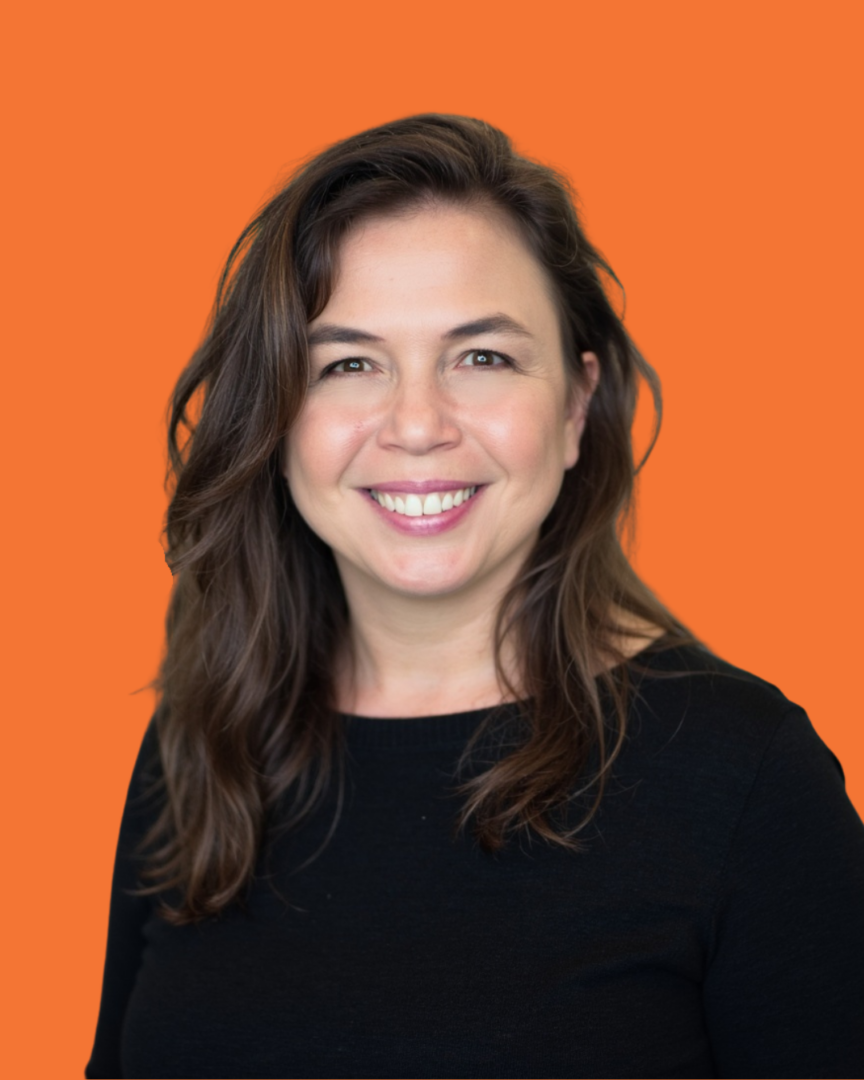
One day, Andy called Rachel with a revelation. Did she remember their father’s concept of using technology to assist singers? He’d learned there was hard evidence behind music therapy helping to restore speech after a traumatic brain injury. These interrelated notions made their mission obvious, and they joined forces to create Music Health Technologies.
The venture’s flagship product became SingFit, an app that brings the joy and benefits of singing to individuals facing various forms of cognitive decline such as dementia and Alzheimer’s. First introduced to the public 12 years ago, SingFit guides sufferers and their caregivers through a rotating collection of songs, prompting them line-by-line for a stress-free experience. Trivia, movement, and more assist in stimulating the body and soul.
There are three versions of SingFit tailored to different needs. SingFit PRIME is designed for activity directors working within group settings like long-term care facilities. SingFit STUDIO Pro has been built to meet the requirements of speech language pathologists and occupational therapists. SingFit STUDIO Caregiver, their newest, is for one-on-one scenarios, a prime example being childcaring for an ailing parent.
The latter situation is something with which SingFit’s creators have first-hand experience. Their mother, Sandy, struggled with dementia beginning around the time SingFit came into development. As such, she became one of the app’s first product testers. Caring for her helped the duo realize the critical need for assistance in the dementia space. “I think there’s been four dementia drugs approved by the FDA over the last 30 years,” says Francine. “And there have been hundreds for cancer.”
Still, research continues to support the notion that music is medicine. SingFit has been proven to significantly elevate people’s moods, and their website references a gaggle of peer-reviewed research papers to rebuff naysayers. Francine points out that simply listening to music can have a positive impact. Yet because singing is active, its benefits are greater. “No matter what you sing, you’re getting a full brain workout,” she says. “You’re getting a respiratory workout, and a neurochemical alignment.”
SingFit uses songs people 65 and up would most likely want to hear. Etta James and Frank Sinatra are two representative artists on tap. One imagines that future iterations could be filled with hip-hop and metal instead of “At Last” and “New York, New York.” Francine personally plays a role in dreaming up the themes for the playlist bundles they release quarterly. “We’ve done two or three VH1 and MTV playlists that kind of hurt my heart,” she says with a sigh.
It bears mentioning that SingFit is not music therapy, even though music therapists helped to build it. SingFit offers group activities directors one hour-and-a-half training session on how to implement their software. Music therapists must undergo rigorous instruction from an AMTA-approved program, complete a supervised internship, and earn board certification. Regardless, the shared objective between SingFit and licensed music therapists means Francine wants to forge more relationships with professionals in the field.
Expect future versions to make greater use of A.I. and expand the number of conditions it treats. The CEO also aims to work closer with musicians and singers, believing they would derive immense satisfaction from knowing they’re having a positive impact. “Think about a musician or songwriter using their music to increase health, reduce depression, all these things,” says Francine, marveling at the unique relationship between music creators and their listeners. “That’s a special connection.”