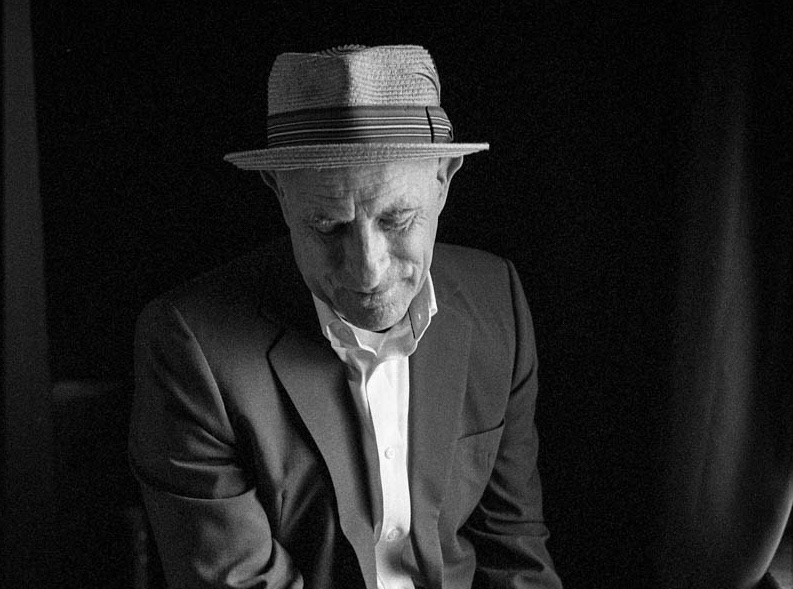
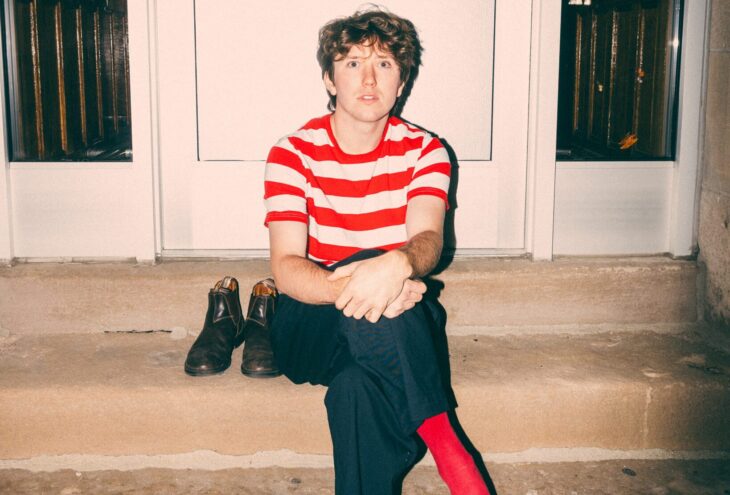
Indie rock artist Justin Schaefers has spent a decade as a foundational piece of the indie ensemble puzzle. But in 2026, the musician—who admits he "most likely wanted to be Indiana Jones but couldn't quite crack into archaeology"—is finally unearthing his own artifacts. With the release of his debut solo EP Modest Hits, Schaefers is stepping away from the safety of the collective to explore a sound that is uniquely, and perhaps vulnerably, his own. It is a transition that has been a long time coming for an artist who felt his identity shift the moment he was introduced to the Fab Four. "I grew up in Northern California, I feel like I didn't quite know who I was until someone first showed me the Beatles," Schaefers says. "After hearing those first few Beatles records, music became an all-encompassing passion."
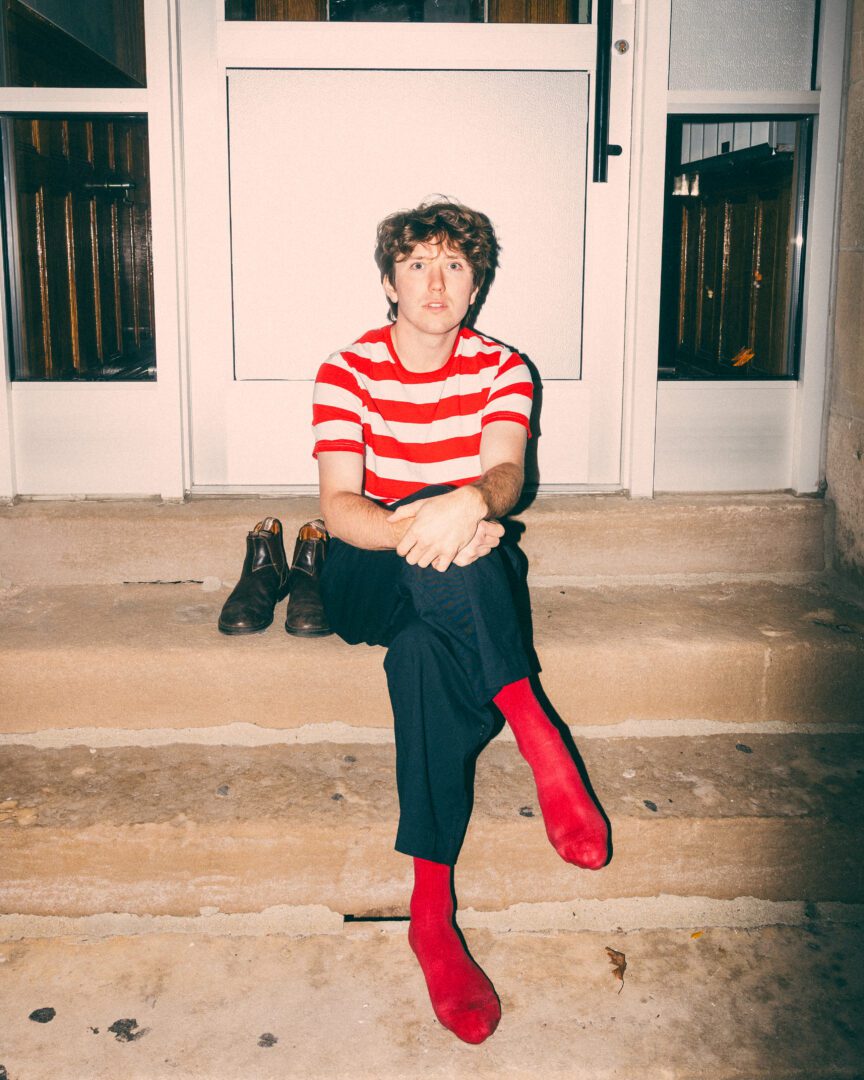
The road from those early influences to his current status in the New England scene, playing with acts like Winkler and Doss, was paved with a search for a specific artistic voice. "I played in a few bands in the Bay Area until moving to Boston in 2017," he says. "It was there where I was able to really figure out who I wanted to be as an artist. Maybe I’m still figuring out that part, but what a problem to have!"
That ongoing evolution is the heartbeat of Modest Hits. While Schaefers is the first to champion the power of the group—noting that "musical collaboration is extremely important to me" and that "combining tastes and musical flavors to create something completely unique is one of the most rewarding things that you can do"—this project was born from a singular, solitary itch. "There is sometimes a desire to know what your own flavor is," he says. "I think with this record, I wanted to go at it alone to see what would happen if I only had myself to rely on."
The process of "going at it alone" was as much a psychological hurdle as a creative one. Without the democratic buffer of a band, every decision rested solely on his shoulders, leading to a period of intense self-reflection. "I think the hardest part of making this record was also the most important part," Schaefers admits. "I wrote and recorded all of these songs alone. In doing this, I had no one else to fall back on, no one to collaborate with, and very little reassurance while I was making them. I knew that I liked what I was making, but there were definitely days when I couldn’t tell if the whole thing was any good! I suppose if anything it was a good lesson in trusting my own sensibilities and letting my process run wild."
That process was anything but conventional. The album began to take shape almost by accident during a visit to his parents' home in California. "I realized I was recording an album after a particularly busy weekend," he recalls. "I had three or four song ideas and a few free afternoons; before I knew it, the songs were fully written and recorded." Lacking a professional studio or even a basic tape machine, Schaefers turned to the Garageband app on his phone. The resulting "studio" was a ragtag collection of gear that would make a purist shudder but a lo-fi enthusiast weep with joy. "The biggest surprise was probably just how happy I was with the sound with so little equipment," he says. "The record was done with very minimal gear. I used a busted classical guitar with holes in the sides, a bass that I got from Goodwill, a piano I borrowed from a friend, a weird little Hammond organ, and an electric guitar I built from a kit. All of this made for a less than conventional studio setup, but it created this big looseness to the album that I really enjoyed."
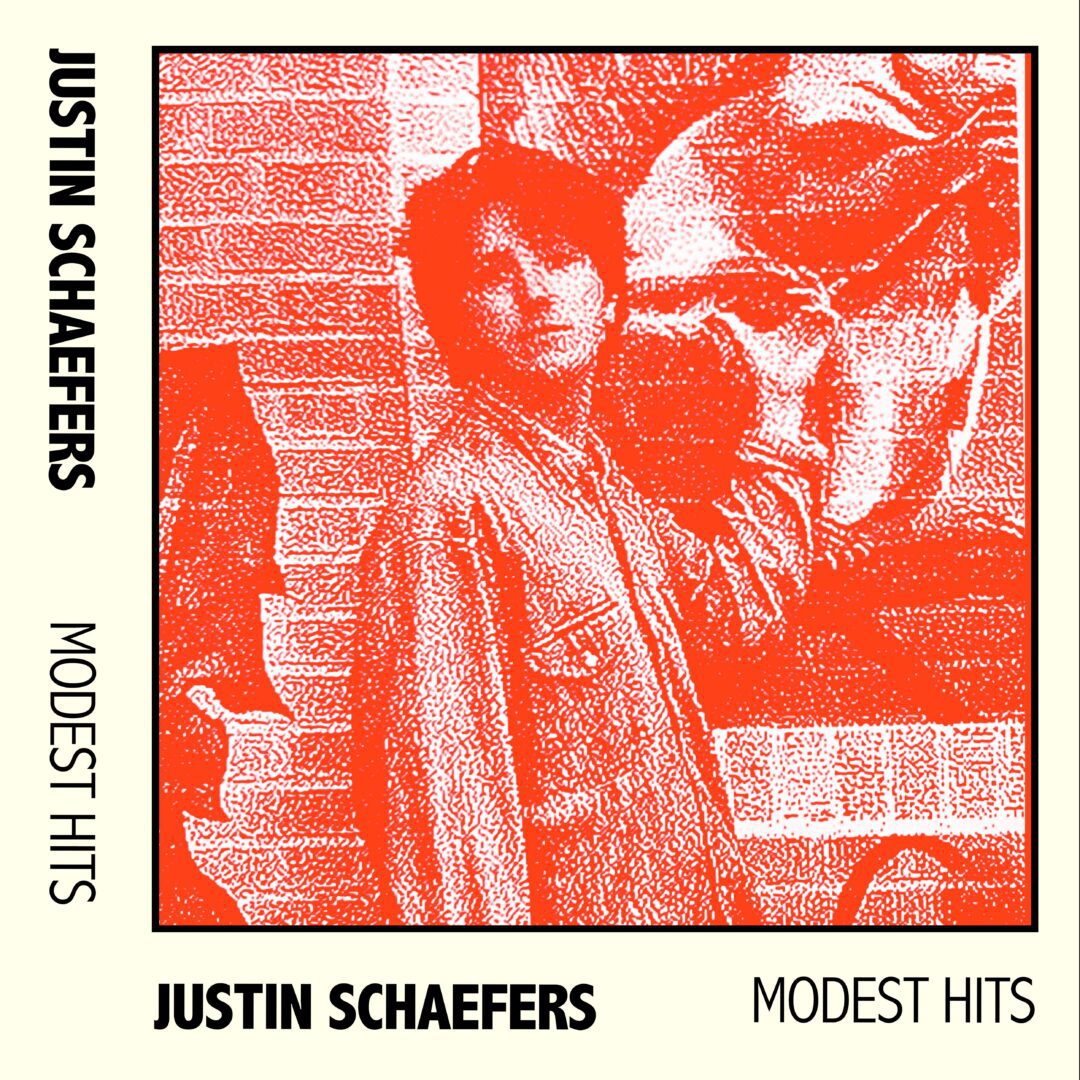
This "looseness" is intentional, a sonic thumbprint that rejects the sterile perfection of modern production. Schaefers didn't just tolerate the imperfections of his environment; he invited them in. "I am excited to put myself out into the world in ways that I haven't before," he says. "I have been releasing music in bands for the last decade or so but have never put out a collection of songs under my own name. I hope that people can feel the honesty in these recordings. I tried to put as much of my world in these songs as possible. I also would like to encourage people to listen for the background noises in these songs. Every dog bark, background conversation, radiator hiss, and missed notes felt so vital to the vibe and warmth of this record that I couldn’t possibly edit them out."
Among the tracks, "Bad Head" stands out as a particularly poignant moment of self-exposure. "I think that all of these songs work well with one another, but the one that I was most nervous to release was probably the second track, ‘Bad Head’," he notes. "Maybe it's nothing more than a funny song I made to embarrass myself, but I really wanted to put something out that made me feel vulnerable, open, and weird, and I guess that this one does the job!" Ultimately, Modest Hits is a meditation on transition. As Schaefers puts it, "I think that Modest Hits is essentially a record about change. The change pops up in lots of funny little ways throughout the songs but it's there. Maybe I shouldn’t say much more about it than that."
Looking ahead to the rest of 2026, Schaefers is keeping his momentum high with plans for more singles in the spring and a touring schedule across New England. He’s also looking to close the circle on his journey, hoping to plan show dates for the West Coast "so I can bring this batch of songs back to the place that inspired them." For an artist who once wanted to dig up the past, Justin Schaefers has done something much better: he’s recorded his present, radiator hisses and all.
Check out Modest Hits on Spotify.