PRESS HERE
presshere.com
Chloë Walsh (Co-Founder/Managing Partner)
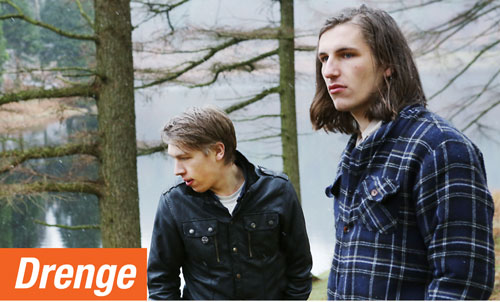
Indie Act: Drenge (drenge.co.uk; facebook.com/drengeboys)
Founded by Chloë Walsh and Linda Carbone, Press Here is a New York City-based full-service public relations, marketing communications and consulting company that offers the personal attention and commitment of a boutique agency with the scope, power, results and services of a larger firm. Often unconventional, Press Here has been recognized for creating clever and tailor-made campaigns for recording artists, authors, actors, filmmakers, and many others. Music clients include Arctic Monkeys, Alison Krauss, Chris Cornell, Conor Oberst, Jack White, Lenny Kravitz, Maroon 5, P!nk and more.
Do you approach indie projects differently?
No two artists are the same. The campaign setup is a process of figuring out strategy and working out which demographic we should reach. The music and the act’s own wishes usually determine that.
How do you deal with indie acts that may not be very well known?
In 20 years of publicity I’d say about 70% of my clients come to me as unknowns, but I really enjoy the “A&R” aspect of hearing something new and figuring out if it’ll resonate. There’s something really rewarding about introducing a brand new artist to the media and watching that artist grow.
Artists like Laura Marling, Arctic Monkeys, Conor Oberst and Mark Ronson now have established profiles and a nice level of success. But, when I started working with them it was very much, “How do we break through the noise and get these guys noticed?” When you start from scratch it takes a lot of legwork. You’re looking for champions under every rock. You have to figure out how to make your artist stand out. You have to define the artist and set them apart from the crowd. That’s all part of the pre-campaign strategy.
Do you target specific markets?
We target different demographics. We figure out who would be excited about each artist and then go after the outlets that influence that demo. Every campaign is spent trying to reach the right audience, wherever that might be. And many media outlets influence other media outlets––there’s a bit of a domino effect. If you want to get outlet C interested you have to get coverage in outlet A and B.
Are an act’s social media numbers important for coverage?
Some media find it very important, the ones that rely on an artist having a fan base to propel page views or ratings. It doesn’t affect an old-fashioned music critic who wants to write about something they find interesting or unique. But it certainly matters to, say, the booker at Saturday Night Live who needs to know they’re booking someone very popular and relevant.
How did the your “case-study” client come to you?
Usually we’re sent music by record labels, managers and booking agents we’ve worked with on other projects. For Drenge I had worked with their manager on Arctic Monkeys for several years.
Did you make a pitch to the act and/or its manager?
Not in the case of Drenge. The manager sent me the music and I had a conversation with the record label to make sure we were a good fit for their team.
What sort of contract arrangement did they agree to?
Our contracts are generally a three-month minimum as that’s the time needed to set up an album campaign that encompasses long-lead press. We extend month to month after that period.
What results did the act want?
Drenge, like a lot of the U.K. acts were looking to replicate the success in the U.S. that they had in the U.K. They have a very strong following at home and the media consistently cover them with the respect of a high caliber act that garners serious critical acclaim. That’s the sort of career trajectory they’re on at home and that’s what they wanted to see happen in the U.S.
How did you publicize and promote the act?
First, we wanted to break them out of the “another new British band” pigeonhole. They’ve had great success in the U.K. and the NME awarded them the Radar Award which is fantastic, but the U.S. media get a lot of NME clippings about British bands each week, the majority of which never go on to do anything in the States. So, our focus was to promote them as an exciting, talented, refreshing young band, rather than another “next big thing” from across the pond. By getting them booked on Letterman very early, we launched the entire album campaign off the back of that booking.
Does indie tour press present any unique challenges?
Tour press gets more and more competitive as regional weekly and daily papers fold and more bands are on the road. The advice we give our artists is to work hard, do as many interviews as they can, take time to meet local press, do extra backstage photos, talk to local bloggers, visit college stations etcetera.
It’s those personal relationships that media remember and giving them your time will mean support for the next tour and album. But, this works best with young, enthusiastic bands like Drenge who are excited to be in America and don’t mind the grueling schedule. Older acts that may be more established get worn down by road trips and prefer to rest between shows.
What sort of accounting do you provide?
We give very detailed reports that show the scope of our outreach and all the feedback received.
Are new acts without managers tougher to deal with?
Yes. We don’t have many of those. It’s very tricky to explain how things work directly to an artist, especially a new artist. However, usually by the time we’re involved there’s a manager and a booking agent, if not a label. That said, we’ve worked with larger artists who do have management and they still have difficulty understanding how things work. They’ll be late for TV rehearsals or question why things are scheduled and won’t see the benefit in doing certain things. If an artist doesn’t trust their team to make the right decisions and give them accurate advice then it’s always going to be bumpy, manager or no manager.
What are the best and worst aspects of servicing indie acts?
The best is that you’re part of a pretty tight-knit group of people dedicated to making a project go well. There’s a great team spirit between the label, booking agent, management, radio team, PR firm, etcetera. Everyone’s pulling for the same things and every success is exciting to everyone involved.
The worst? Well, the worst is how many bands, albums, tracks, videos, remixes and tours there are to compete with. Perhaps the worst thing about the digital revolution is not just how easy it is for people to get music for free but also how easy it is for people to make and release music in the first place. If it were just 10 percent harder to make and release an album we might have a bit of a clearer playing field. It’s extremely crowded out there. You have to be really good to break through the clutter, but you also need a very strong team around you to make sure you get heard.