 Jeannie Deva
The Deva Method
jeannie@jeanniedeva.com
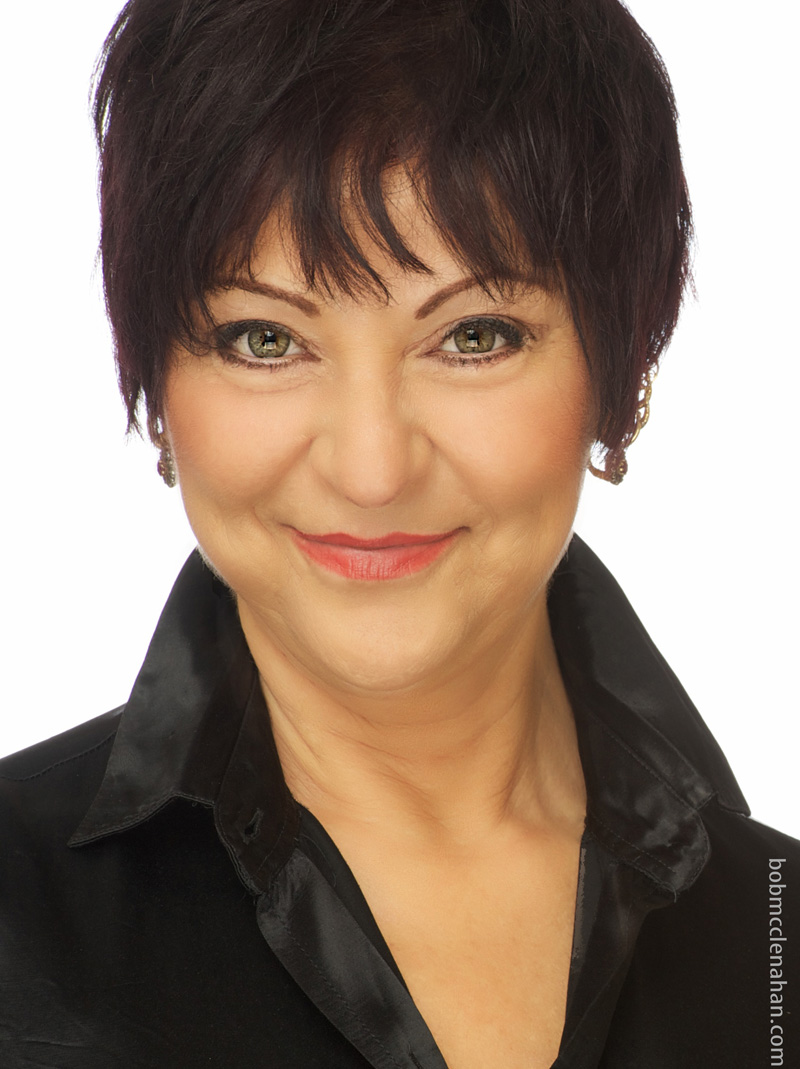
Jeannie Deva is a published author, performing artist and vocal instructor who has coached top artists and bands since 1978 and was one of the first instructors to teach using Skype. She helped launch the vocal department at her alma mater, Berklee College, and is best known for developing The Deva Method for vocal instruction.
How did you begin teaching
I spent several years researching how the body works to make sound. I wanted to clear my own confusions that developed through years of singing and interacting with other singers and studying with a number of teachers. The act of singing had become less joyous, more confusing and took more effort than before I started studying singing. I decided something was wrong, and I needed to understand the needs of the voice and of the body.
The results I came up with were so freeing and exciting. Before I began teaching, I figured out how to put my research into a step-by-step approach to pass on to others, and I wrote my very first book on the voice. That was 1976.
What advice do you have for vocal instructors
If you’re going to teach, you’re putting yourself in a position of being an educator, and that means completely understanding your field so you can take responsibility for the instructions you’re giving your students. Too often I hear of people teaching because they sing and are looking for a way of supplementing their income, and many of their instructions are physiologically incorrect.
How do students benefit the most from vocal instruction
Assuming the vocal instruction is correct, they should raise their knowledge and understanding of their voice as an instrument so they can arrive at a place of ownership of their voice and aren’t tied to the apron strings of the person they study with. The singer owns their voice, and they can use it freely for singing any style they want.
How do you handle difficult students
Usually students are difficult when trying to defend themselves. They feel challenged. Usually a more gentle approach with that person is appropriate. The key is understanding that the definition of “help” and how it applies to each individual isn’t the same thing as helping someone else.
What’s the biggest misconception in vocal instruction
The biggest misconception is how to breathe. There’s a lot of false information about that, and there has been for a really long time. It really messes up anybody who tries to employ those false directions.
How do Skype lessons compare with a live session
Skype is one-way audio. You can’t play the piano as an instructor and hear the student on the other end singing. The student has to sing a cappella, which is not favorable when doing vocal exercises, especially if a person singing can’t stay in key.
If the audio isn’t really good, the teacher has to be an audio specialist and be able to hear the difference between distortion occurring through transmission of sound and what the person is doing muscularly.
That’s a skill I developed early on, partly because I am a vocal audio specialist in recording studios and can tell what a person is doing internally and muscularly when they’re singing.
What did you not know as a teacher when first starting out that you know now
I didn’t know enough about the bad effects of drugs. As a result, I had some very disappointing and frustrating times with students in the early days, because they were smoking marijuana and drinking alcohol the night before or the same day as their lesson. I was fighting against the negative effects of those drugs on the person’s voice. At a certain point, I started comparing those singers I was teaching who didn’t do any drugs and what I was able to do with their range, tone and speed of progress with those who were the other way. I started getting a few people to stop doing drugs, and suddenly, their voice was open.