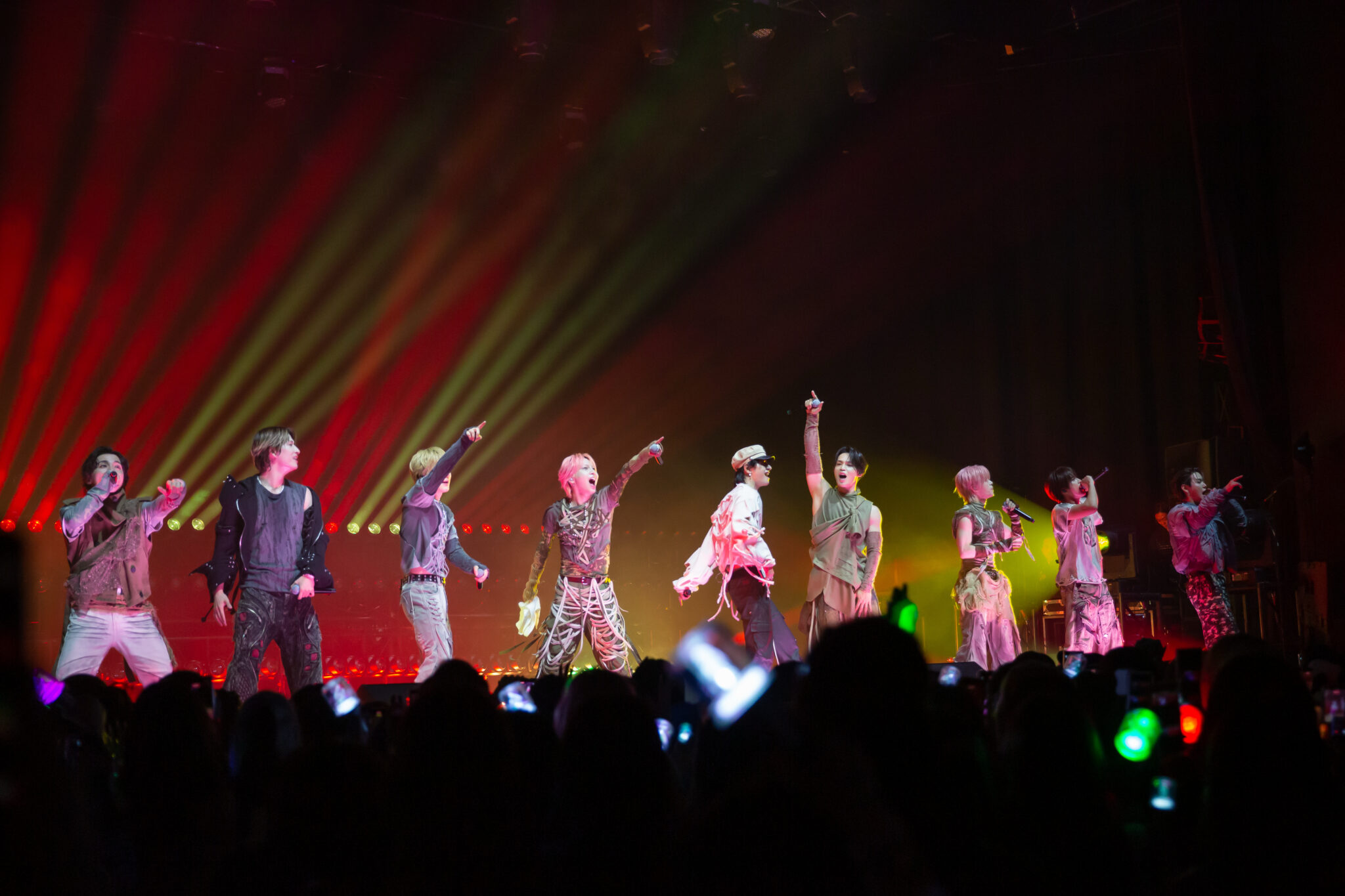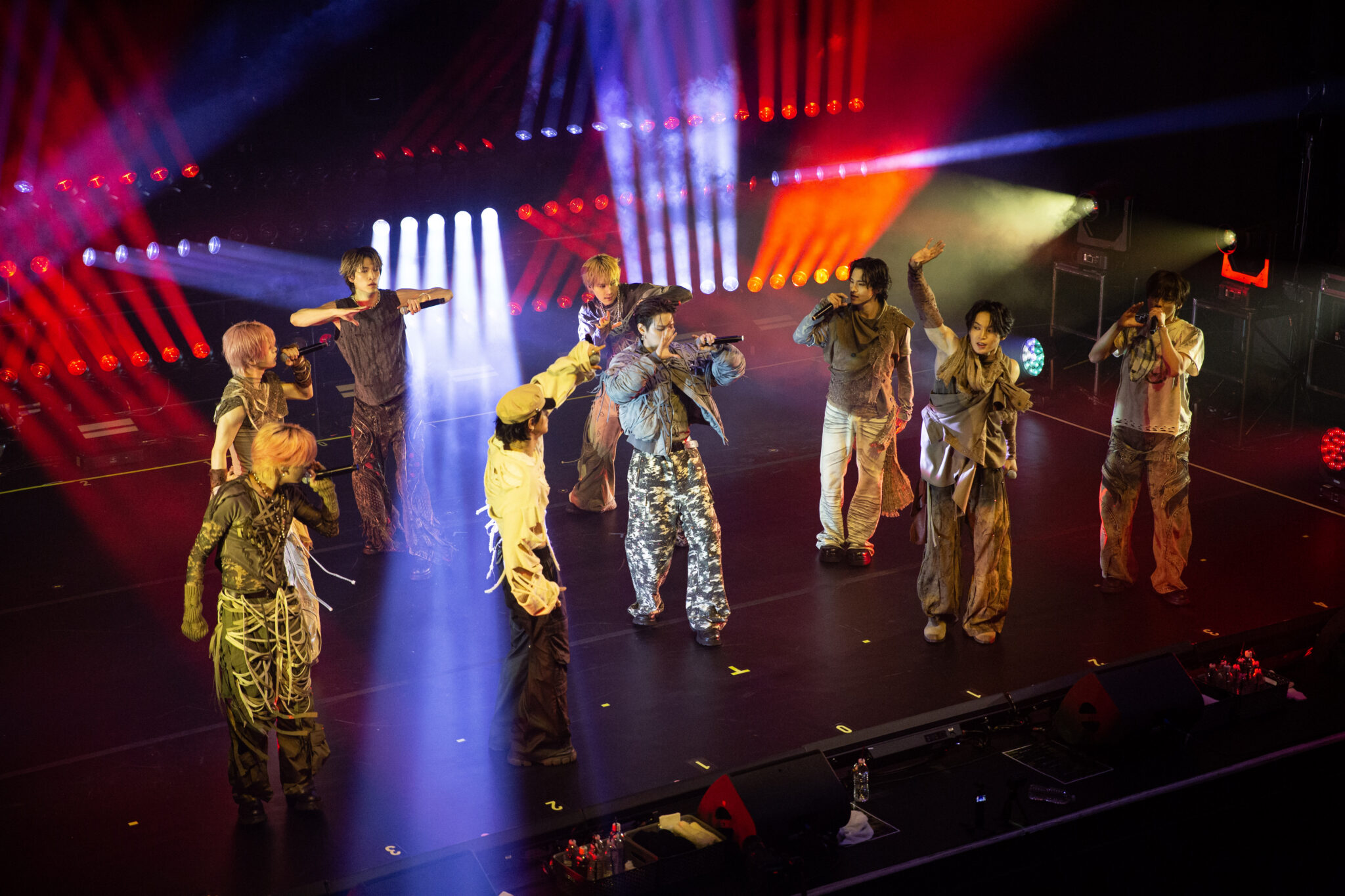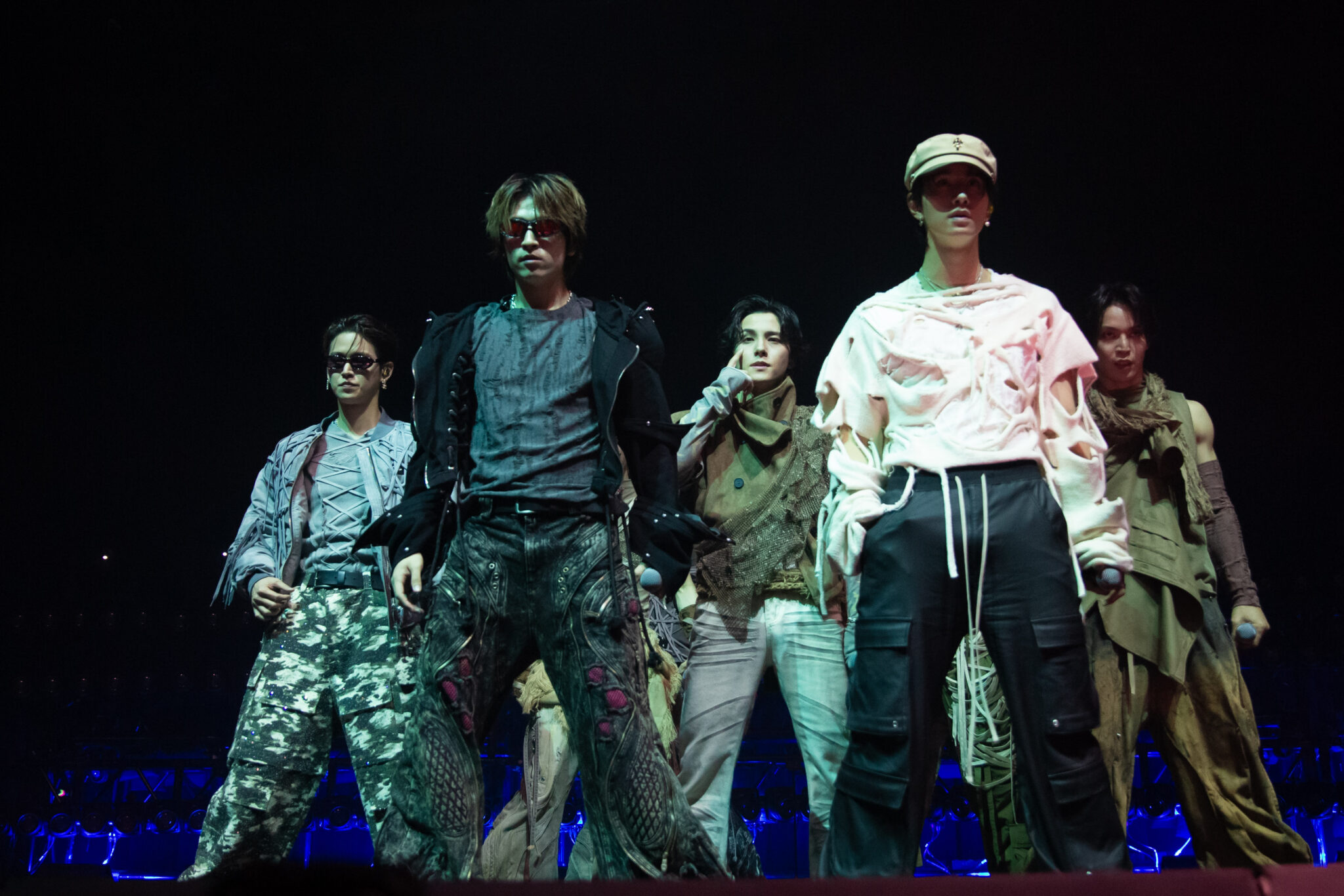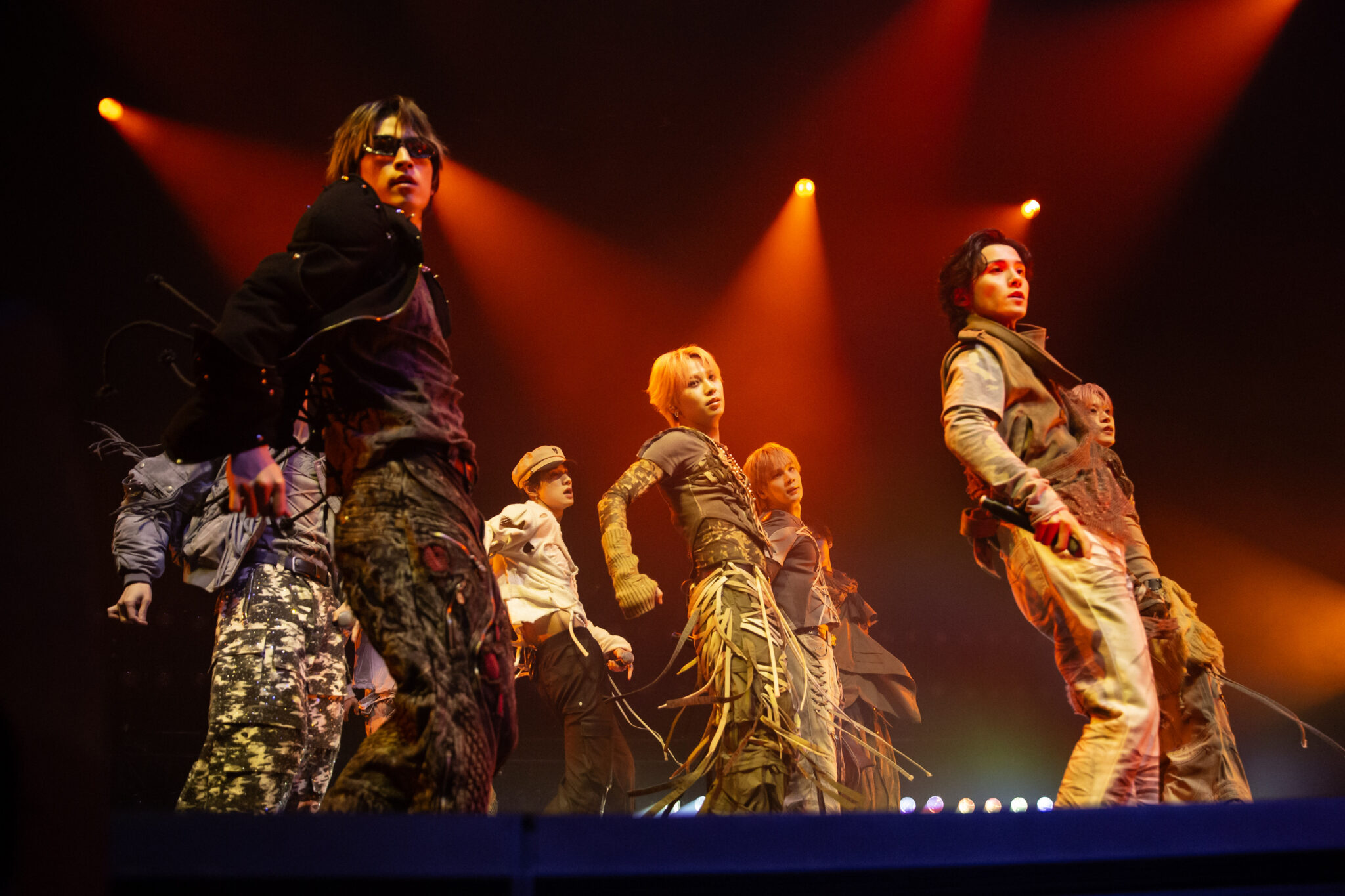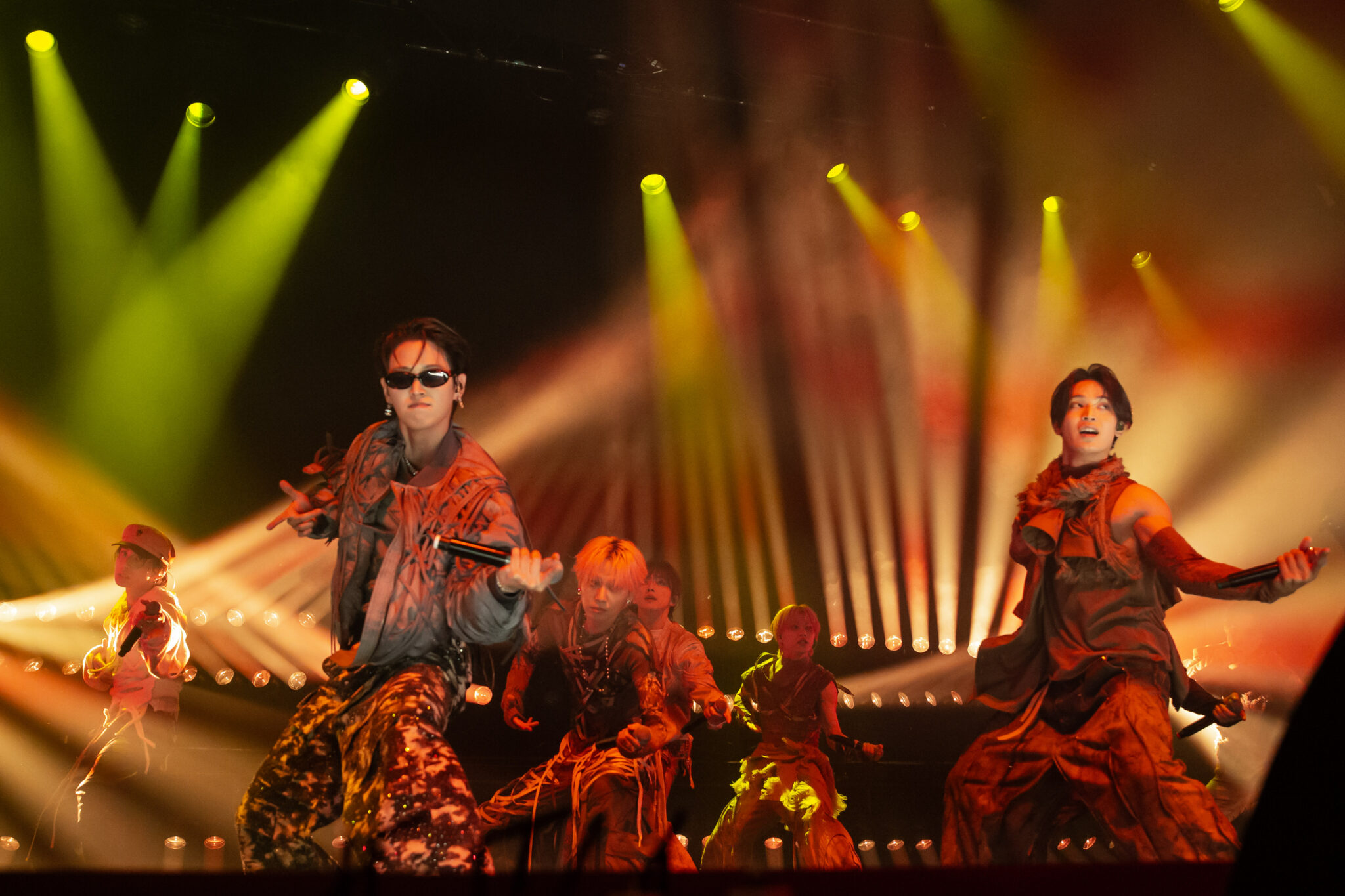

In Japan, boy group JO1 are seemingly everywhere—appearing on television, starring in advertisements, collecting awards, and performing to sold-out crowds. As the group's popularity continues to grow, so does their ambition to achieve that same level of recognition in the US. Formed through the Japanese spin-off of the popular Korean music competition series Produce 101 Japan, the nine-member group consists of Issei Mamehara, Ren Kawashiri, Takumi Kawanishi, Ruki Shiroiwa, Keigo Sato, Syoya Kimata, Junki Kono, Sukai Kinjo, and Sho Yonashiro. Since debuting in 2020, JO1 have established themselves as one of Japan's leading boy groups, earning eight No. 1 singles on the Billboard Japan Hot 100, three consecutive No. 1 albums on the Billboard Japan charts, and 10 consecutive No. 1 singles on the Oricon charts. Now, with their sights set on the global market, the group is taking major steps to introduce its music to a wider international audience.
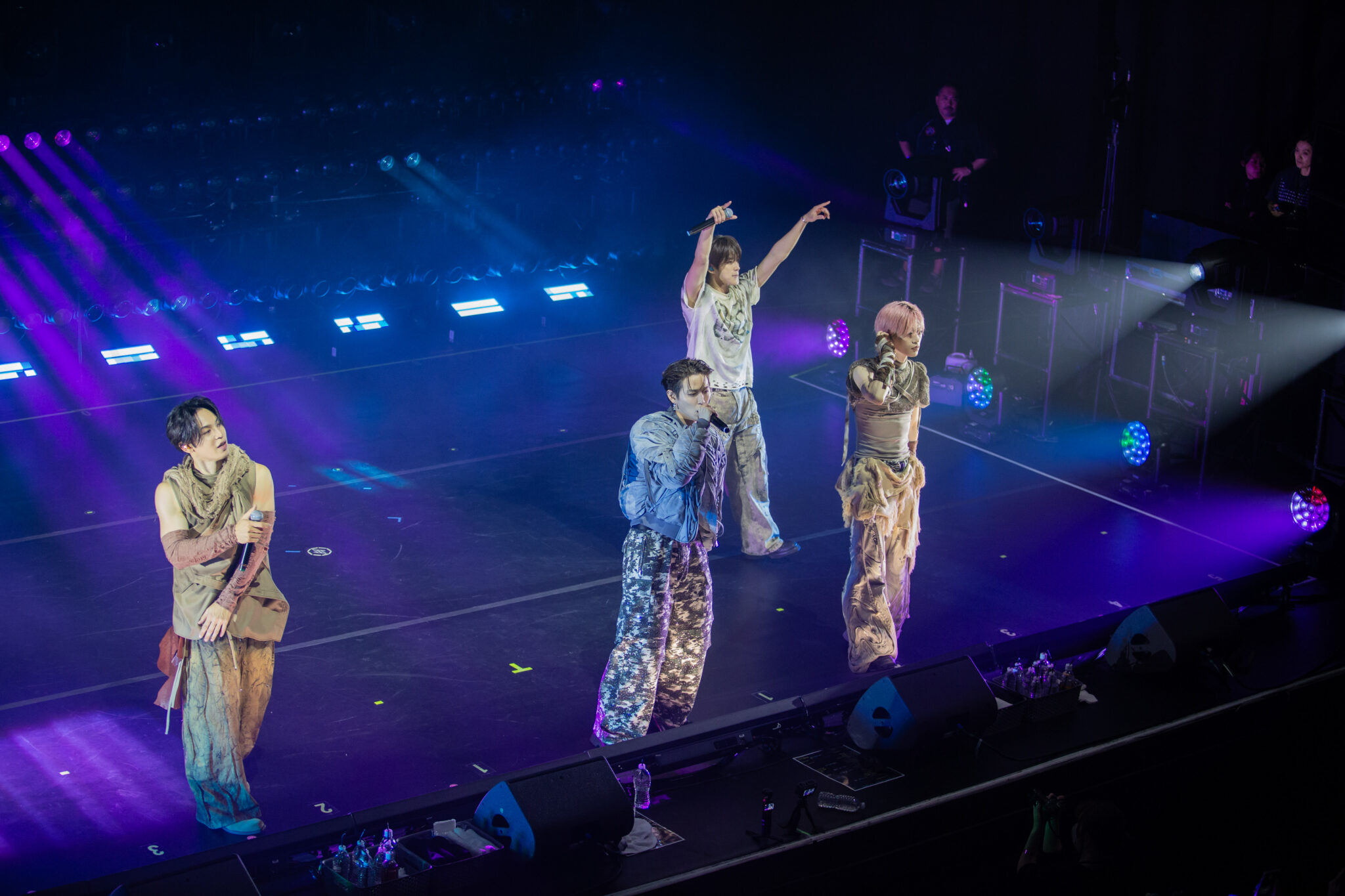
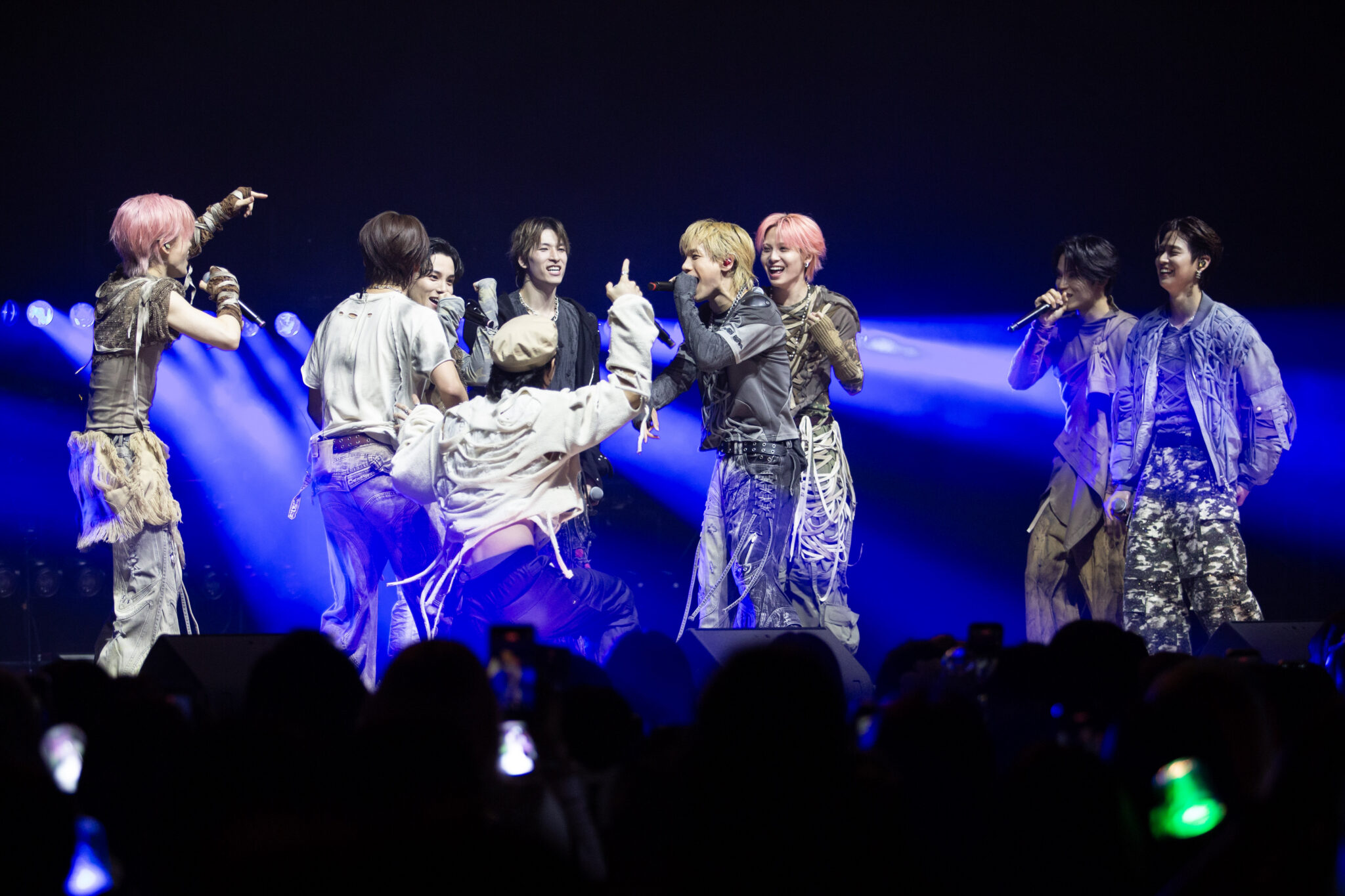
In October JO1 released ANIMAL, their first full-English EP and a major step toward that goal. The project also marks a new chapter in the group's artistic development, with the members taking a more active role in shaping their sound and contributing to the creative process, from composition to production. They also teamed up with Grammy-winning executive producer Dem Jointz, bringing a fresh perspective to the release. Tracks such as "ANIMAL," "WHATCHA DOIN," and "SAKURA" blend heavy electronic beats and hip-hop influences with the fun sound of J-pop, creating a dynamic mix that pushes the group's musical identity forward. The EP made an impressive debut at No. 139 on the Billboard 200, marking JO1's first appearance on the chart. To celebrate the release, the group embarked on its first dedicated North American tour, kicking off in Toronto before making stops in New York, Chicago, San Francisco, and Los Angeles.
In an interview with Music Connection, JO1 reflects on the milestones and experiences shaping this new chapter in their career. The members discuss what inspired them to create an English-language project, their collaboration with Dem Jointz, and some of the memorable moments from the ANIMAL recording sessions. They also share their experiences connecting with fans across North America, adjusting to more intimate venues, and navigating life on the road. As JO1 continues to expand its reach, the group shows no signs of slowing down musically. Their 11th single, AAO, is set for release on Nov. 18.
First of all congrats on the success of ANIMAL! Sho, at one of the shows you mentioned you wanted to chart in the Billboard. How does it feel to accomplish that goal?
Sho: We were able to achieve one of our goals, charting on Billboard. But this is still just the beginning of our story, and we plan to keep aiming higher from here.
ANIMAL is JO1's US Debut, what inspired the group to create an English album?
Ruki: I think the biggest reason was that we wanted to bring our music to more people. Of course, since it was a new challenge there were some difficulties, but I think it became a chance for us to grow as a group, and I'd be happy if it helps us meet even more people.
For this album, you worked with Grammy-winning producer Dem Jointz. How was it collaborating with him? Were you nervous at all?
Takumi: It was more fun than nerve-wracking. Working with him, I felt like the hints for making songs might be hidden in everyday life. I learned so much about how any sound, scenery or emotion can be turned into music. I definitely want to work with him again.
Can you walk us through some interesting moments during the recording sessions. How was that experience?
Junki: The recording sessions with Dem were really inspiring. We recorded almost all six songs over consecutive days and the energy stayed high the whole time. Dem would sometimes have a drink, suddenly change the vocal flow in the middle of a session, or suggest adding an ad lib here and there, so the sessions never got stuck following the demo and were really fun. I definitely struggled with English pronunciation. I remember the chorus of WHATCHA DOIN in particular, where I'd pronounce something the way I thought it should sound and get told it was actually completely different. I think we had a great clash of musical ideas.
The North American tour is officially done, the last show was in LA. How was it touring the US? Were there any challenges or cities that stand out as your favorite?
Ren: I learned a lot and it was a really great experience. North America is so big that all the flying was tough, but some fans came from even farther away to see us, so I really felt the love.
What were some of your travel essentials while on the road?
Keigo: I don't want to slack on my workouts even on tour, so resistance bands, grip trainers and other workout gear were must-haves for me.
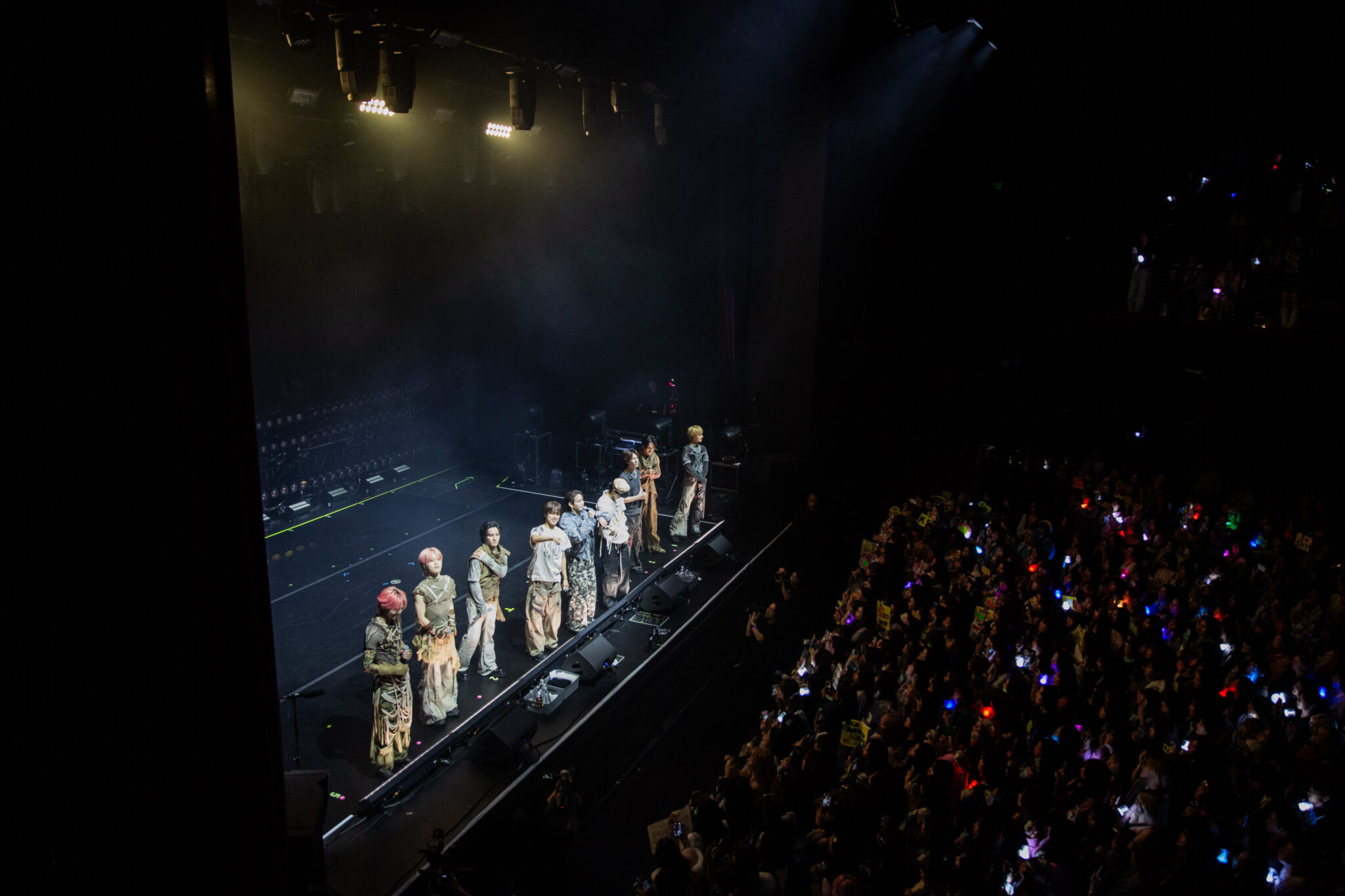
In Japan, the group is used to performing at domes and arenas. How does it feel to perform in smaller intimate venues in the US? Is the energy different?
Sky: The atmosphere was amazing and it was so much fun. Compared to big venues like domes there's less echo, so it's easier to perform! I could really see everyone's faces and it was easier to connect with the fans! The stages were a bit smaller, so there were some parts of our performance we couldn't bring this time, and that's something I really want to show everyone next time. Let's keep building JO1 together so we can come back to even bigger venues and give you the full show, or something even more dynamic!!
Each of you brings something different to the group's dynamic. Has there been a moment recently where a member surprised you with a new talent or skill?
Shoya: Everyone is amazing, but when Keigo was singing high notes in the dressing room it sounded so beautiful and I was really impressed.
The group composes and creates a lot of fun content. Who is the most creative one from the group?
Mame: I think everyone is creative and has amazing taste. Out of everyone, Takumi does a lot of songwriting both for JO1 and solo, which I think is amazing. His songs have his own unique sensibility, and that's really appealing too.
How do you encourage one another during busy schedules or moments when things become challenging?
Mame: We don't really encourage each other with words that much, but I feel like seeing everyone working hard is what keeps each of us motivated.
When you aren't working are there any activities or hobbies that the members have gotten into recently?
Keigo: After work and on days off I do things like working out and playing soccer. Lately I've been really into Pokémon cards.