For a quarter-century, Recording Academy’s GRAMMYS On The Hill has served as the music industry’s bridge to policymakers. This week in Washington, D.C., that bridge felt more urgent than ever. Celebrating its 25th anniversary, the annual initiative once again gathered artists, executives, and lawmakers—not just to toast past wins, but to confront a rapidly evolving future shaped by artificial intelligence.
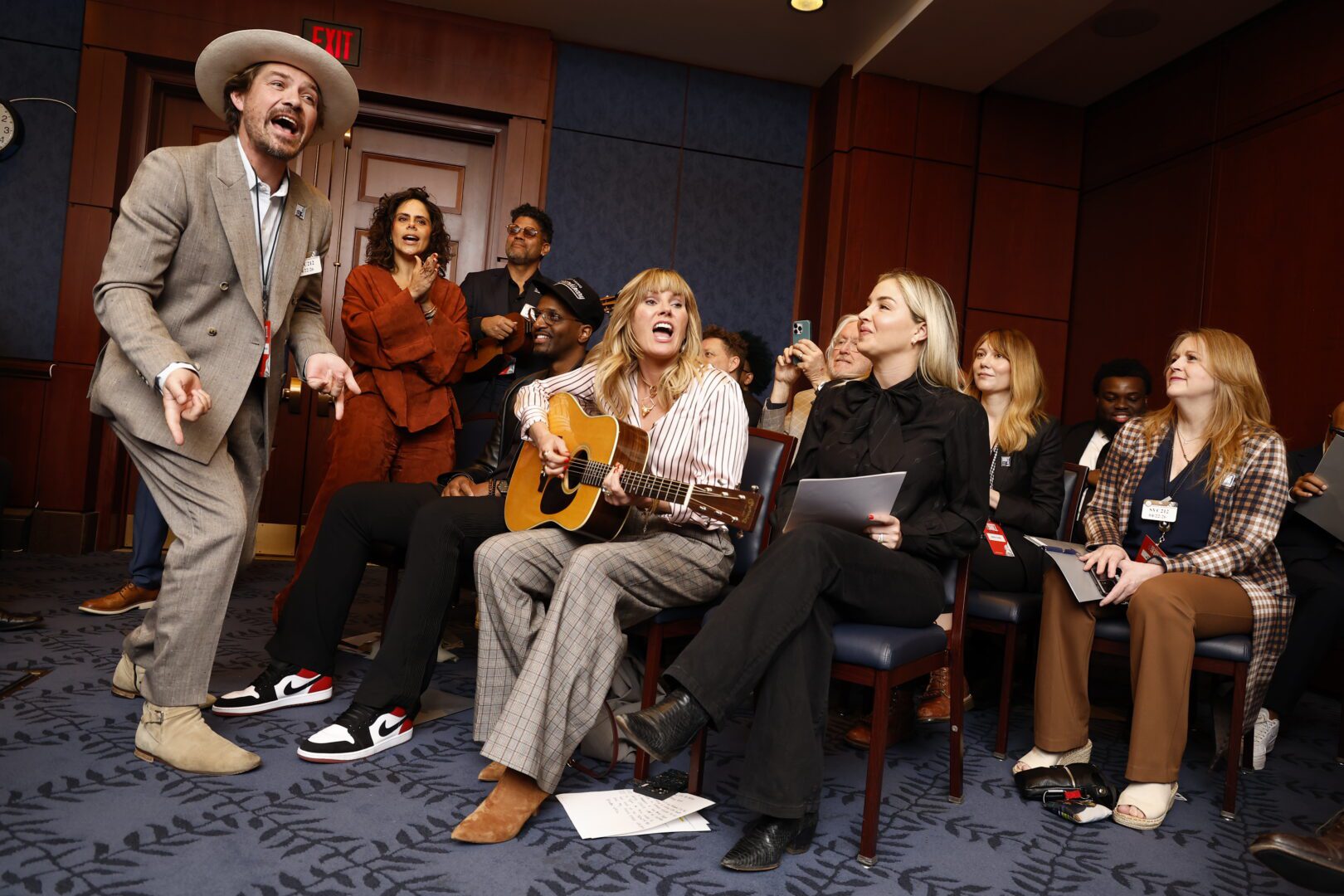
“GRAMMYS On The Hill represents the core of the Recording Academy’s year-round work to advocate for music people and ensure their rights are safeguarded in our culture,” said Harvey Mason Jr., CEO of the Recording Academy. Reflecting on the milestone, he added that as A.I. and emerging technologies continue to reshape the industry, “music creators must remain at the center of every conversation shaping the future.”
That future—and who controls it—was front and center at the week’s marquee event: the GRAMMYS On The Hill Awards, held at The Hamilton Live. The ceremony honored Sen. Chris Coons and Rep. María Elvira Salazar for their bipartisan leadership on the proposed NO FAKES Act, legislation designed to protect artists from unauthorized A.I.-generated replicas of their voices and likenesses.
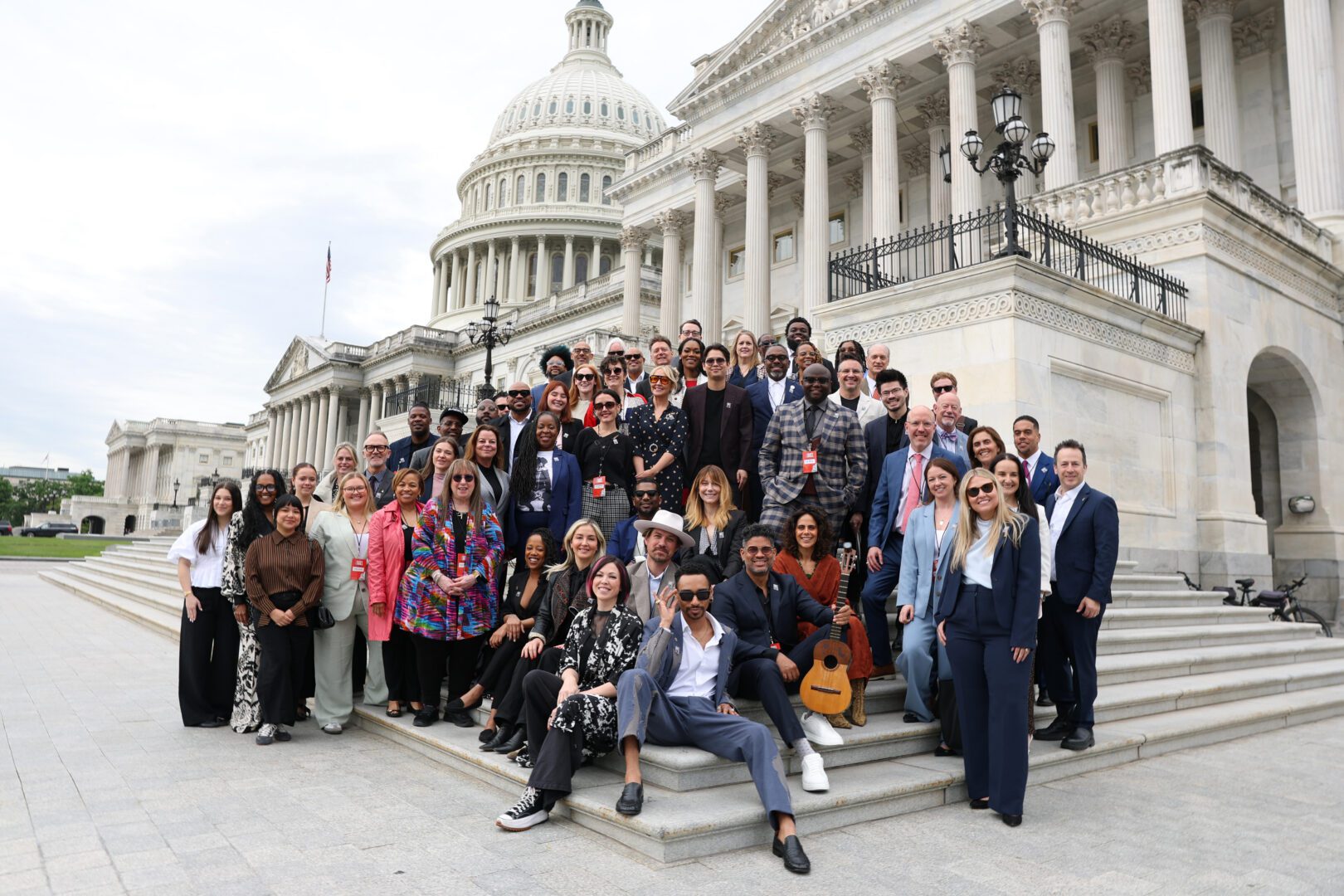
“Musicians are magic makers,” Coons said during his acceptance speech. “That work—that magic—deserves to be protected.” He didn’t mince words about the stakes, noting that too many creators have already seen their work and identities exploited by both digital piracy and A.I.-generated imitations.
Salazar echoed the urgency, calling the moment a turning point. “Protecting the voices, rights and livelihoods of artists is more important than ever,” she said, reaffirming her commitment to advancing legislation that ensures creators are “respected” and “never exploited.”
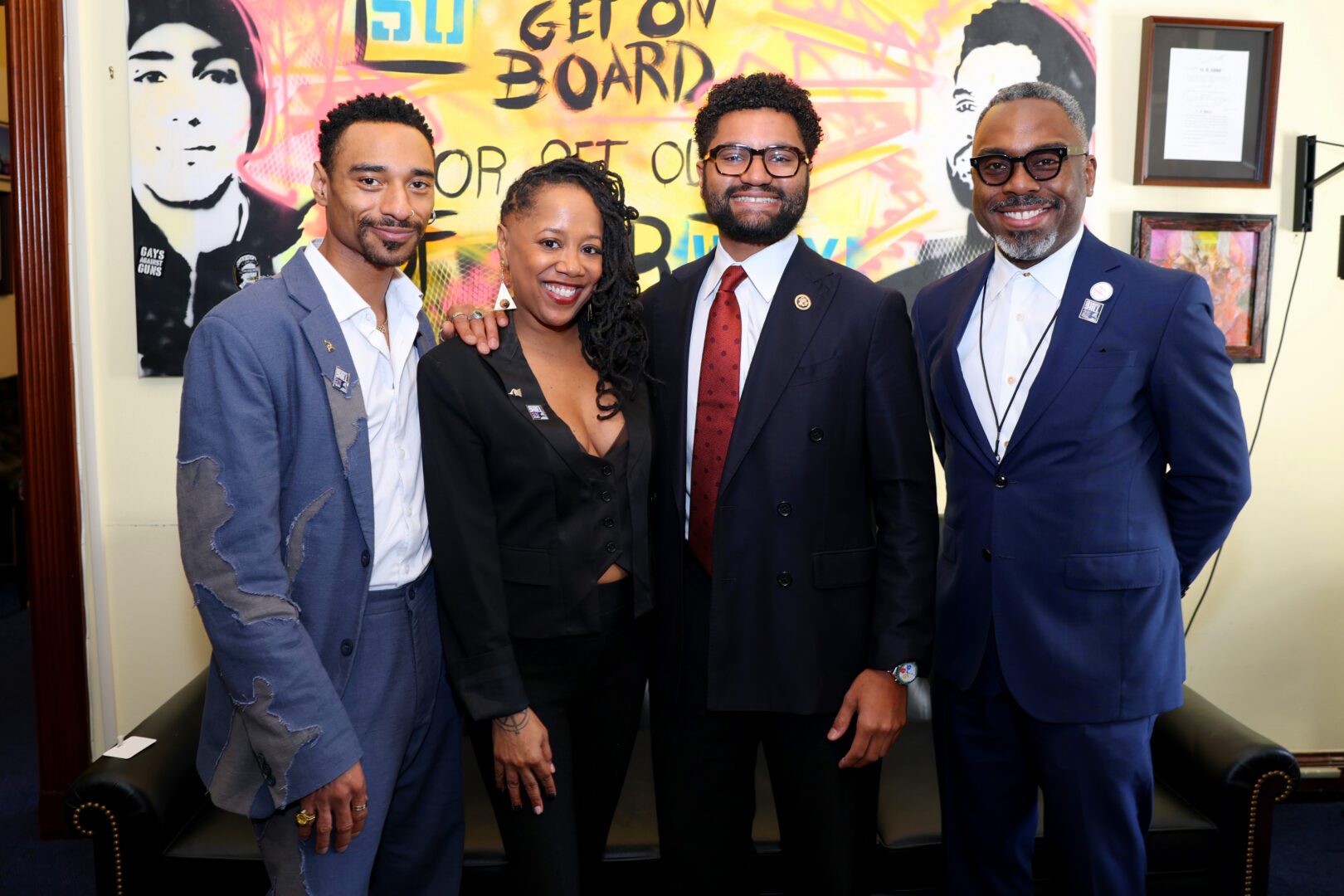
The night also doubled as a celebration of American music itself, with performances spanning generations and genres—an intentional nod to the cultural legacy now at risk of being diluted in an algorithm-driven era.
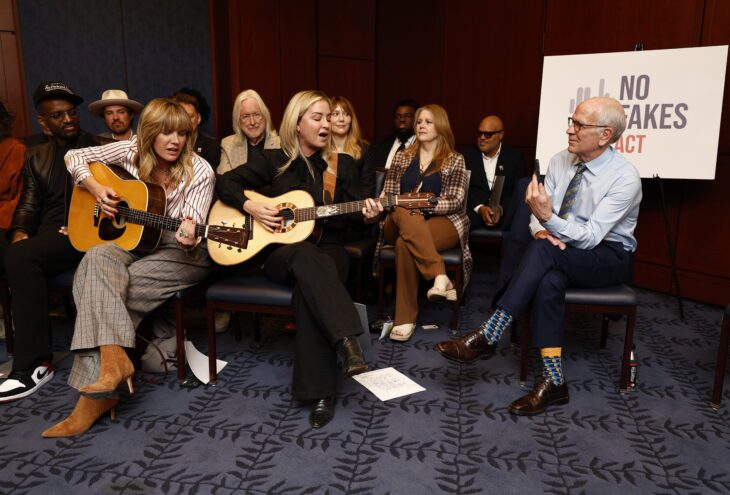
That conversation moved from the stage to the halls of Congress the following day, as GRAMMYS On The Hill Advocacy Day brought artists directly to Capitol Hill. Among those participating were Durand Bernarr, Grace Potter, Israel Houghton, Maggie Rose, and Molly Tuttle, who met with lawmakers to discuss the implications of A.I. and the need for clear guardrails.
Their message was consistent: innovation shouldn’t come at the expense of attribution, consent, or compensation. In addition to the NO FAKES Act, discussions included the TRAIN Act and the CLEAR Act—two additional proposals aimed at increasing transparency and accountability in A.I. systems.
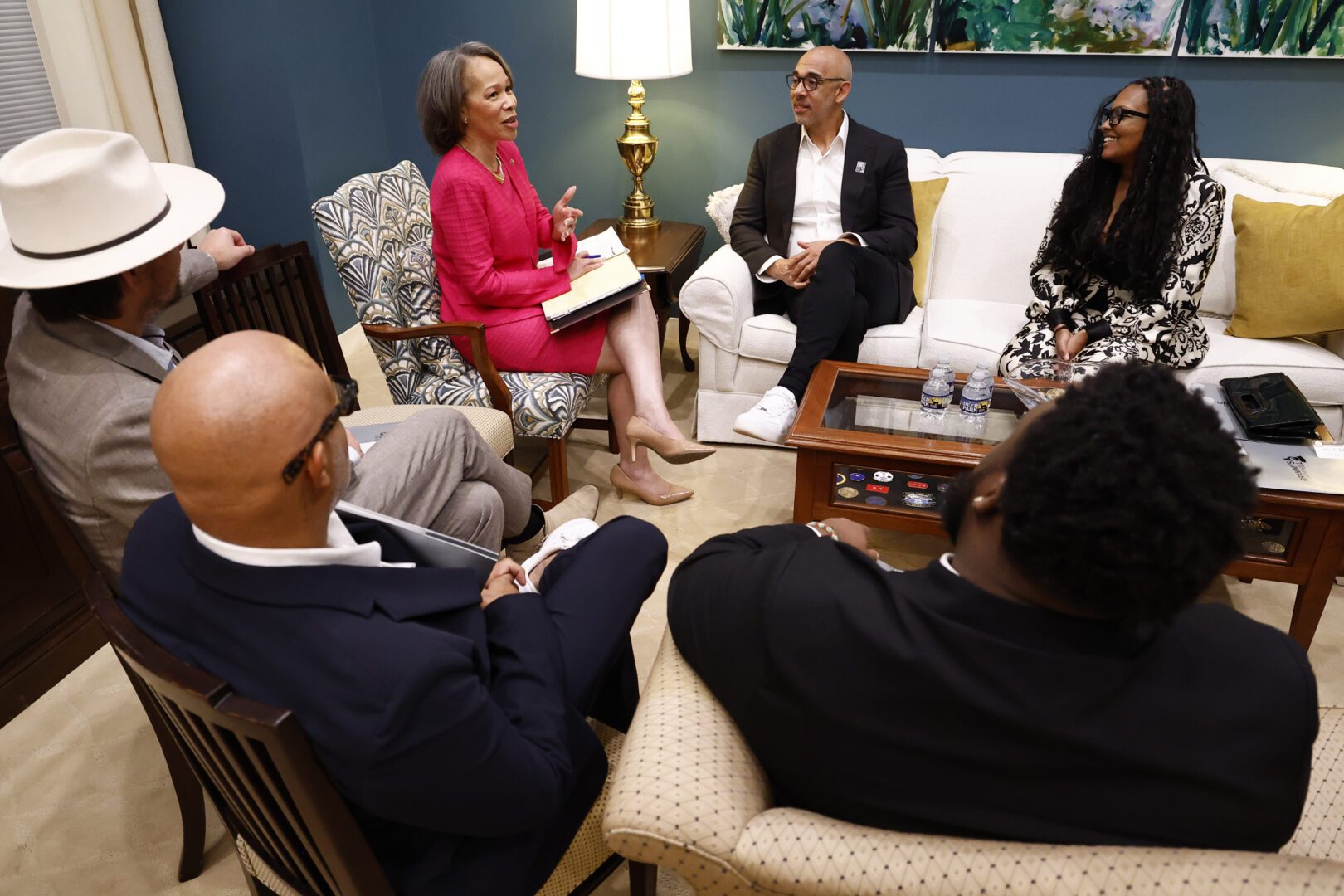
The day’s programming extended beyond policy meetings. A roundtable led by Marsha Blackburn and Peter Welch tackled A.I.’s broader implications, while an evening reception hosted alongside the Congressional Black Caucus celebrated the enduring influence of Black music on American culture. The event included a performance by Bernarr and a $10,000 grant presentation to Howard University, reinforcing the Academy’s investment in the next generation of creators.
The week wraps with the Future Forum, a forward-looking conference featuring conversations between industry leaders and policymakers. Mason is set to join Lyor Cohen for a keynote on navigating A.I.’s challenges, while Chelsey Green will lead discussions on music education’s role in preparing future creators.
Behind the panels and policy proposals lies a track record that gives the event real weight. Since its inception, GRAMMYS On The Hill has contributed to major legislative wins, including the Music Modernization Act and the PEACE Through Music Diplomacy Act—proof that what happens during this week doesn’t stay in Washington.
As Todd Dupler, Chief Advocacy & Public Policy Officer at the Recording Academy put it, “It’s been an incredible week in Washington, and I’ve been thrilled to stand alongside members of our music community to speak with lawmakers about the impacts of A.I. on our industry and the policies we need to put in place to protect the power of human creativity. As we move forward from GRAMMYS On The Hill, we look forward to working with our colleagues on Capitol Hill to advance the NO FAKES Act, the TRAIN Act and the CLEAR Act."
After 25 years, GRAMMYS On The Hill isn’t just a celebration—it’s a reminder that behind every song, stream, and synthesized sound, there’s still a human voice worth protecting.
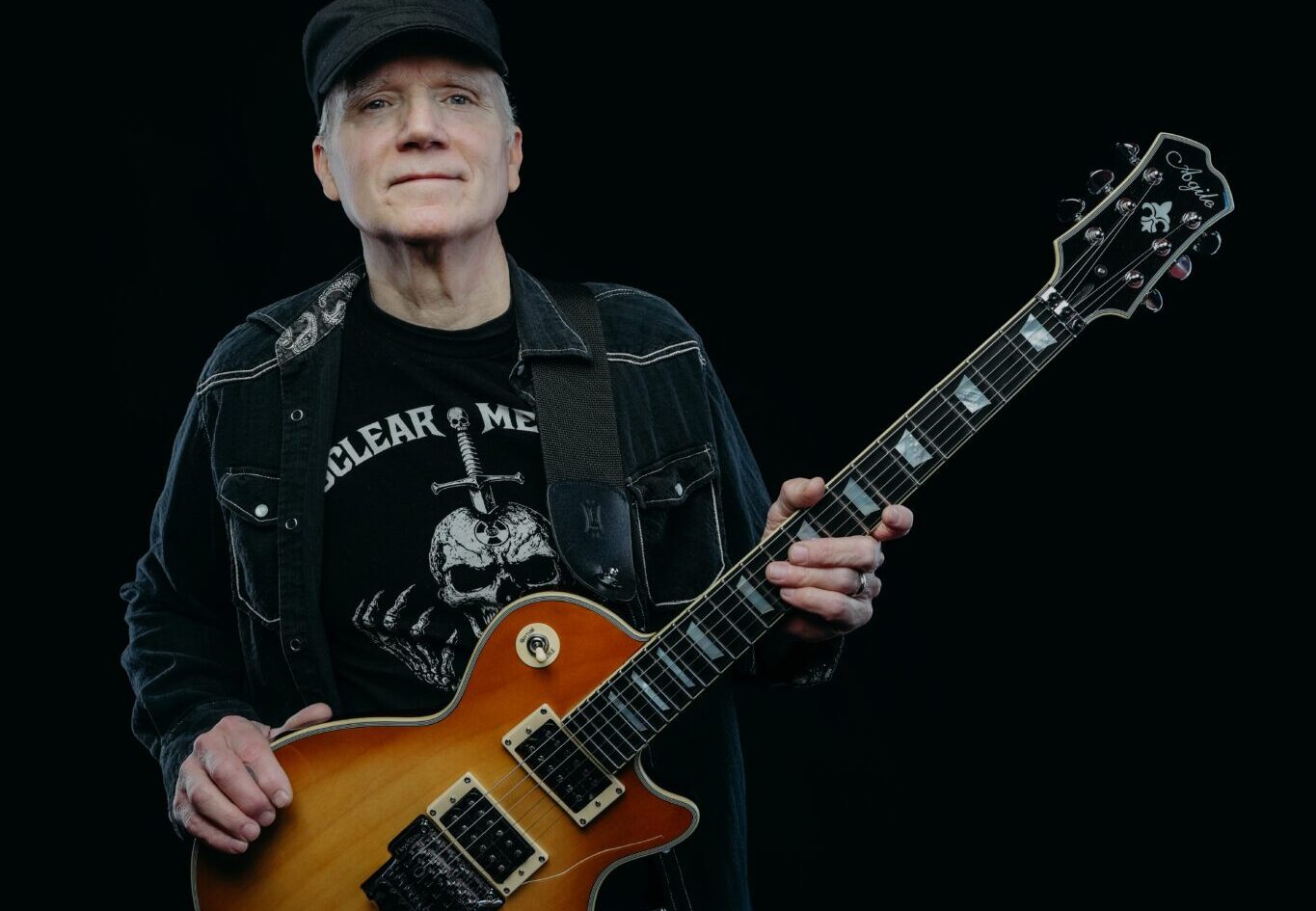
*I: WASHINGTON, DC - APRIL 22: (L-R) Taylor Hanson, Alemor, Wizzmer, J. Ivy, Grace Potter, Ken Shepard, Maggie Rose, Molly Tuttle and Jennifer Blakeman attend the GRAMMYs on the Hill Advocacy Day Senate Roundtable on AI on April 22, 2026 in Washington, DC. (Photo by Paul Morigi/Getty Images for The Recording Academy)
*II: WASHINGTON, DC - APRIL 22: Artist advocates attend GRAMMYs on the Hill Advocacy Day on April 22, 2026 in Washington, DC. (Photo by Tasos Katopodis/Getty Images for the Recording Academy)
*III: WASHINGTON, DC - APRIL 22: (L-R) Durand Bernarr, Deborah Bond, Rep. Maxwell Frost and Nate Smith attend GRAMMYs on the Hill Advocacy Day on April 22, 2026 in Washington, DC. (Photo by Tasos Katopodis/Getty Images for the Recording Academy)
*IV: WASHINGTON, DC - APRIL 22: (L-R) Sen. Lisa Blunt Rochester, Harvey Mason jr., CEO, the Recording Academy and Wayna attend GRAMMYs on the Hill Advocacy Day on April 22, 2026 in Washington, DC. (Photo by Paul Morigi/Getty Images for The Recording Academy)