Music historians are driven by a passion for the art that goes beyond lyrics and melody. It’s about the inspiration behind the sound and for the technically-minded, that means every detail that goes into music creation, from the equipment to the boards to the room to the various players themselves.
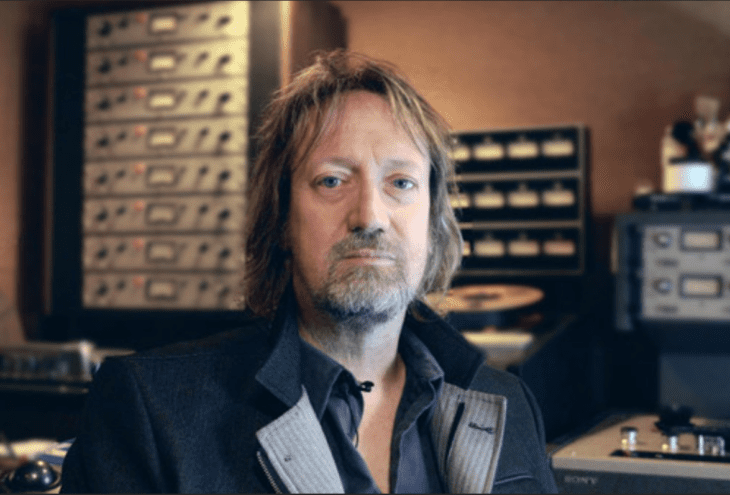
Best known as an engineer and producer, Brian Kehew has an impressive list of credits, from Fiona Apple and Aimee Mann to Beck and Eels. But it’s his deep knowledge and understanding of era-specific sonic construction and craft that make him an authority, especially when it comes to classic rock and the best music ever made.
His ability to identify and recreate aural effects and evocative vibe on record has made him the industry go-to man when it comes to mixing music that evokes the past.
“My main work for the last 25 years has been mixing projects of classic bands and artists who are putting out box sets and unreleased things like concerts,” Kehew explains. “I studied music and recording history, so I can make a 1958 record sound correct. I can make a Madonna record from the '80s sound correct. Whether it’s early Black Sabbath or a jazz record from the '60s, I know the different styles and techniques.”
If you bought or downloaded a re-release or special collection from the likes of Aretha Franklin, Talking Heads, or Fleetwood Mac recently, and enjoyed the package’s extras (from a live concert track to a never before heard alternate version of your favorite hit) chances are Kehew mixed it, bringing clarity and quality to the old material, but also an audiophilic authenticity that makes the whole recording flow seamlessly.
He’s known for this kind of work with countless artists including Ramones, The Pretenders, Morrissey, Alice Cooper, The Faces, The Stooges, MC5, Yes, Elvis Costello, Van Halen, and so many more.
“My studio is full of old tape machines so playing music from the past—like from the '60s and '70s for example—is no problem,” he explains. “My job is to go through the archive with the producer—a specific album or it could be a whole career—and see what’s not been heard before. Then I get to mix it to fit. That is my favorite job and just my favorite thing to do.”
These types of older recordings would lose their magic in the hands of a less-schooled, less informed mixer. As Kehew explains, “you can fix vocals, drums, line things up, and ‘modernize it’ or make it cleaner or tighter, which modern music values, but I’m also trying to keep a '70s record sounding and feeling like the '70s.”
A lot of Kehew’s mixing jobs happen to be for legendary artists who led him down his professional path to begin with. Born and raised in San Bernardino, he learned engineering and recording at Cal State Dominguez Hills, took piano and guitar lessons as a kid, and later formed an electro duo with Jellyfish’s Roger Manning called The Moog Cookbook, doing inventive covers of alt-rock and classic rock gems.
Working as a musician has never been Kehew’s focus, but he did just get one of the coolest gigs ever. As a regular crew member for The Who, he played a slew of fill-in dates for their keyboardist on the final tour, including the Hollywood Bowl. He also just shared the stage with Pete Townshend during a surprise GRAMMY party jam.
Kehew’s work with the biggest bands on the planet doesn’t stop there.
He serves as lead engineer on the Grateful Dead’s Angels Share series, featuring hours of unreleased alternate takes, experimentation, and even studio chatter. “What I like about these is there’s almost no overdubs,” he says. “There’s no trickery. They haven’t finished the record yet, so you get to hear them as they were.”
Studying an artist’s records, knowing the traditions of recording from the past and the equipment used all factor into conjuring their nostalgic feel, and beyond mixing and producing, Kehew has channeled his nerdom for all of it into other game changing endeavors, including books.
His extensive survey of the Beatles gear and processes (with co-author Kevin Ryan) called Recording The Beatles: The Studio Equipment and Techniques Used To Create Their Classic Albums became a collectable best-seller. He followed it up by publishing two more Beatles books—Kaleidoscope Eyes and Places I Remember—with photographer Harry Grossman.
His next Beatles tome is a massive project exploring the work of master producer/arranger George Martin, which he dubs “the number one project in my life because I’ve worked on it for over 10 years now.” The three volume George Martin: The Scores is finally due out this month on Kehew’s Curve Bender Publishing.
While researching the first book he became interested in the Sound Techniques mixer used on records by everyone from David Bowie to Elton John, as well as Queen, The Stones, and yes, the Fab Four too, all in the U.K. After connecting with its designer, he also had a hand in helping it get remanufactured and placed at major studios across the country.
Kehew also owns his own studio, called Round and Wound in North Hollywood, specializing in tape and media transfers done by the best ears in the business. It’s his HQ for mixing and a place to connect with musicians of all ilks beyond the biggies. In these unstable and erratic times for the music industry it provides an old school, human touch that is much needed as A.I. and social media threaten what we love about music. With this in mind, he offers this advice for would-be producers, mixers, and music makers in general:
Follow your passion—“It should be more than a hobby. It should be who you are. If all the record stores closed, I would still be making music. I would be arranging songs and working with friends.”
Show off your skills—“I’ve always felt that work will find you if you put it out there. And my best, like my Warner Brothers studio work, found me because I was doing what I do. Do it all the time, for everybody, maybe for free. People will find you.”
Figure out ‘your thing’ that’s different from everybody else—“There are five, six people on my block in North Hollywood that do what I do. But what I do that’s different comes from studying music history. So do what only you can do!”