A ’Til-dawn doozy of Big Apple soul, ‘Foxy Roxy’ and some Rexettes, sax-y doo-wop and the $50 Handshake
Deep beneath the working-class corridors and desert-scorched flora of Sunnyslope, Arizona, in the dark tape-vault bunkers of Fervor Records, rises a warm and fuzzy studio glow. There, less than a month ago, the From the Archives podcast was hatched. This week, hosts Jeff and David hip you to the very hippable New York City soulman William Shephard, a songwriter, arranger, label honcho and producer who, after much sweat and blood, never had a hit despite waging (and winning) a 30-year war on musical mediocrity.
We head to the Bronx of the early ’60s, where Black, Cuban and Puerto Rican kids ruled and dance floors erupted in gospel-rooted R&B, soul and Afro-Latin rhythms. Over on Fish Avenue, this guy Shephard was marrying the sounds of the neighborhood to the songs in his head and the hustle of P.T. Barnum. Who knows what instrument he played? The facts are slim. Perhaps he hummed his tunes to somebody who could play? Whatever he did worked. Take former teen shoplifter Calvin Harris, who nearly hit stardom on a pair of Shephard’s songs: a funk-hued, ’til-dawn doozy of Motown-meets-Big Apple soul called “My Love Is Real” and its flip, a hip-swinger called “Foxy Roxy” (a glam title if ever there was one!), complete with pre-psych psych guitar and the saucy, kickass-named Rexettes singing backup. All this way back in ’64. Learn how this obscure-o single finally infiltrated wider American culture decades later.
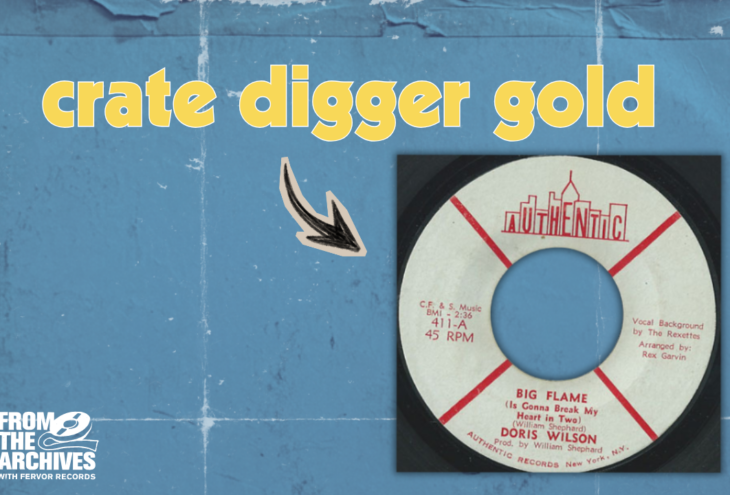
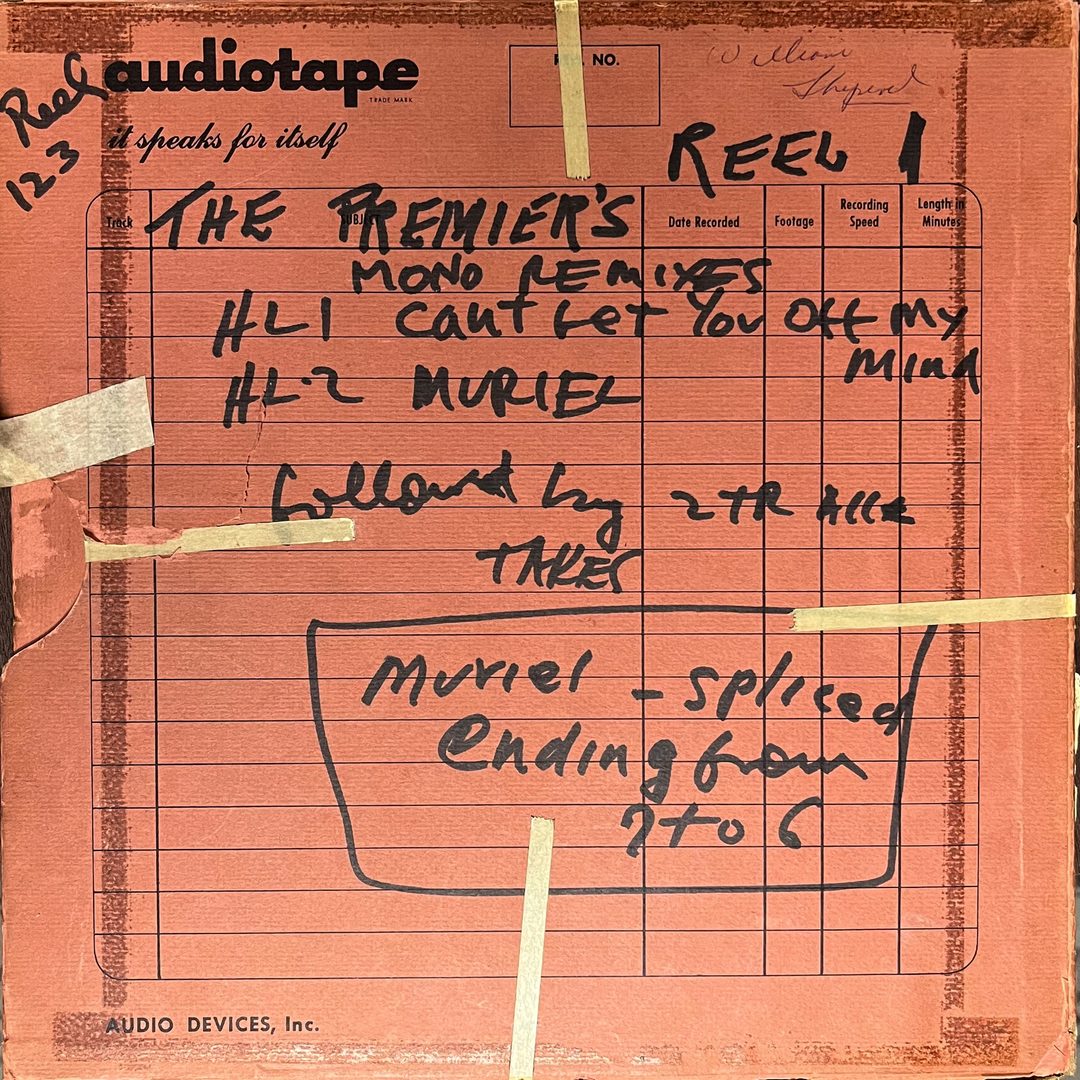
We discover how Shephard’s tiny soul labels trafficked in huge sonics and bigger hooks, from sax-y doo-woppers the Premiers to soul-poppers like John Lewis’ “Baby Bay” (whoa!) and lovely Doris Wilson’s burner “Big Flame (Is Gonna Break My Heart in Two).” Later we land on the much-sampled Jimmy Ross and the vocal velvetiness of Philip Anthony.
With an easy living-room conversational feel, the self-effacing Jeff and David take you down Shephard’s soul avenue, tracing his move from the Bronx to a desirable Manhattan address—basically a room on Broadway where other little labels lived. It sat above the old Birdland club, not far from the Brill Building. The two even sidebar gentleman huckster hitmaker Hy Weiss and the 50-buck handshake.
Running themes throughout From the Archives are song and career archaeology, the humanity behind the music and the shoulda-been giants lost to obscurity whose songs are only now resonating culturally. Through Fervor, Shephard’s songs have so far landed more than 100 placements across 80 TV shows, films and advertisements. Shephard is no longer alive. And we ask: how often in history are the legacies of artists established only after their deaths? The songs waited longer than the man could.
Watch this space each week for a new episode of From the Archives.