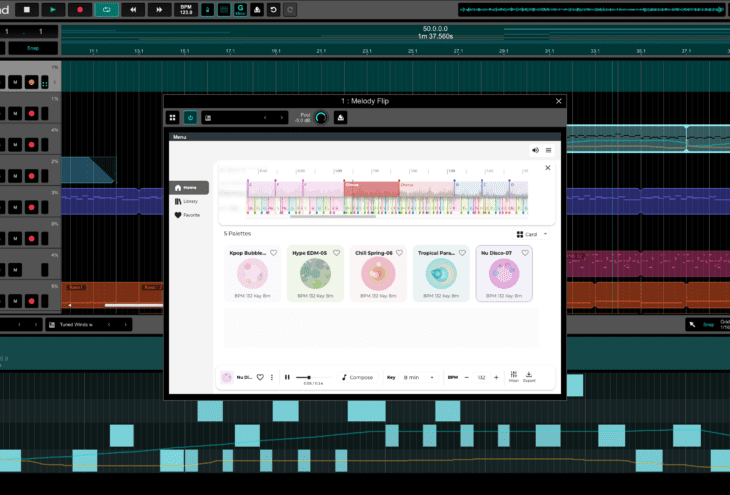
There’s a fine line between an A.I. tool that actually helps and one that quietly flattens creativity into something generic. Roland seems aware of that tension, which makes its new release, Melody Flip, feel less like a tech flex and more like a considered response to where music-making is headed.
Developed in collaboration with Sony Computer Science Laboratories, Melody Flip is built around a simple but surprisingly rare idea: technology should sit alongside the artist, not in their place. That philosophy runs through everything the software does. It’s not trying to write your song for you—it’s trying to keep you from getting stuck halfway through it.
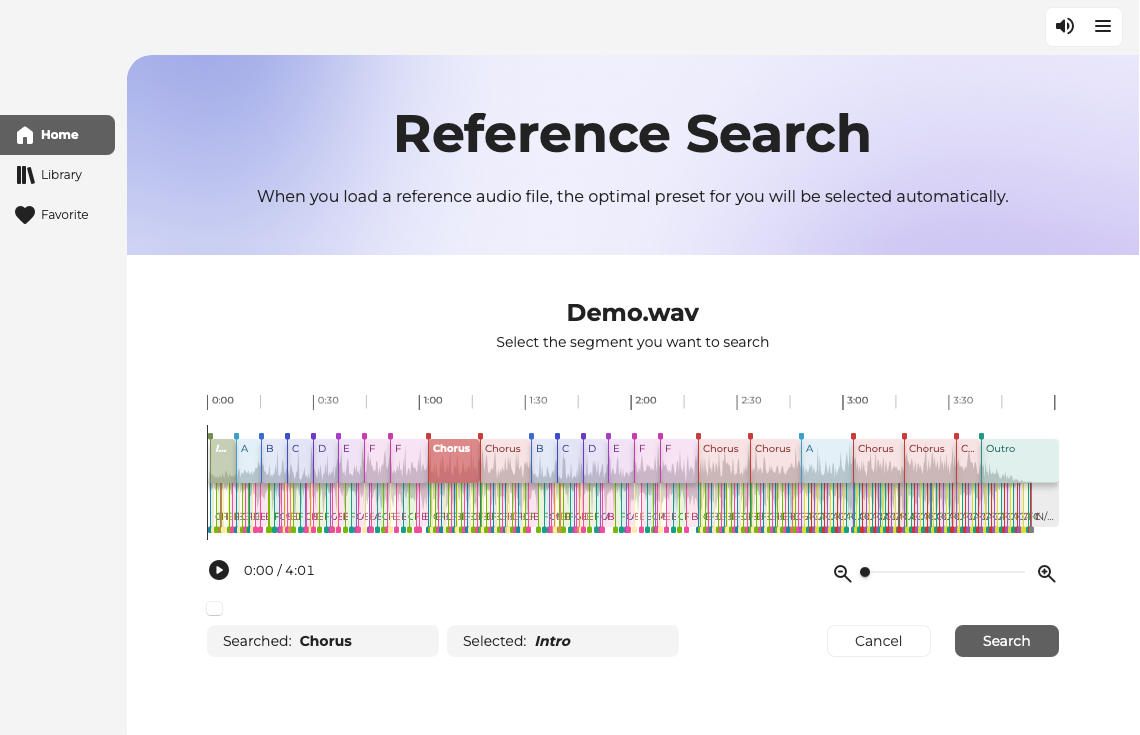
At its core, Melody Flip analyzes an imported audio file down to what Roland describes as its “musical DNA,” pulling out elements like BPM, key, chord progression, structure, and even mood. From there, it pairs that analysis with a library of roughly 300 “creative palettes,” essentially stylistic frameworks that generate new melodic ideas tailored to the track. The results aren’t meant to be definitive. They’re prompts—raw material you can reshape, chop, or ignore entirely.
That flexibility is the point. Rather than locking users into a rigid system, Melody Flip leans into the messier reality of how music actually gets made. Ideas evolve, get scrapped, come back in different forms. Roland built the software with input from working artists, and it shows in how open-ended the process feels. It behaves less like an algorithm dictating outcomes and more like a collaborator tossing out possibilities.
“This is not about replacing musicians,” said Roland Cloud division head Hiroshi Okamura. “Melody Flip elevates musicians, showing them what’s possible when human intuition and technological intelligence work together.” It’s a familiar sentiment in the current A.I. conversation, but here it lands with a bit more credibility, largely because the tool itself seems to follow through on that promise.
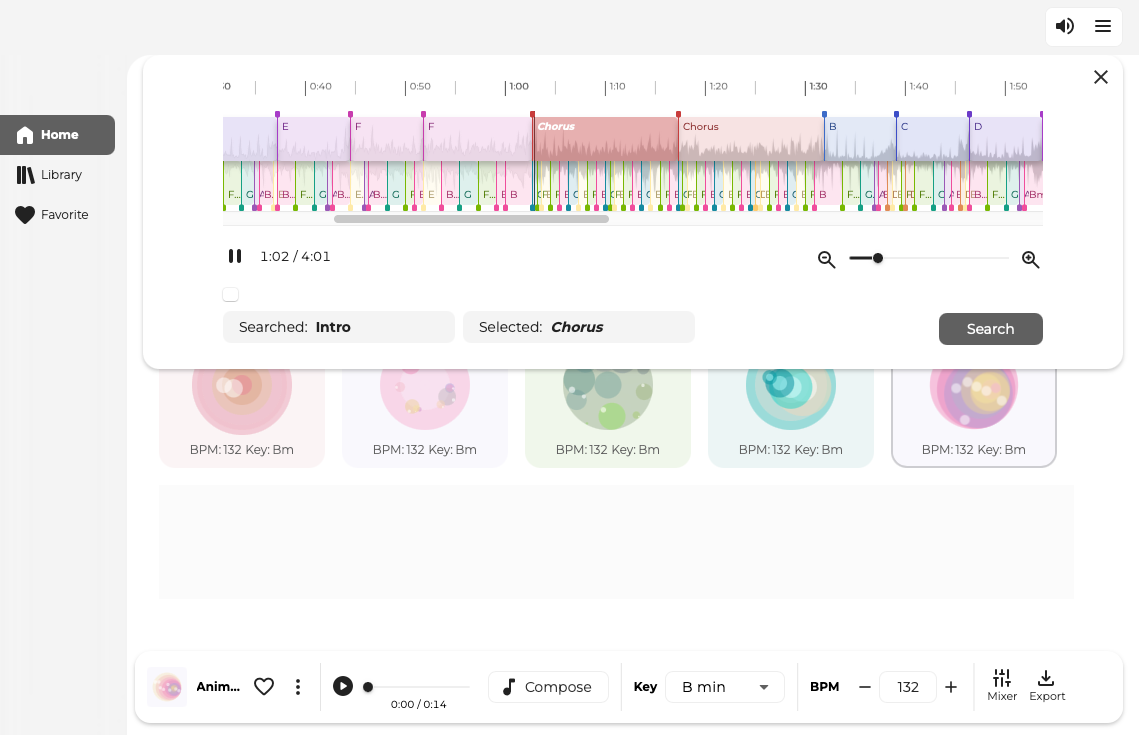
The underlying technology, drawn from Sony CSL’s research in A.I.-assisted music creation, does more than just generate melodies. It also surfaces structural insights about a track, giving users a clearer sense of how their music is functioning beneath the surface. For less theory-inclined producers, that could quietly double as an educational tool, speeding up both workflow and understanding.
Melody Flip is designed to slot directly into existing setups, running as a plugin within major DAWs on macOS and Windows. Users can export generated melodies alongside chord, bass, and drum parts in both audio and MIDI formats, making the jump from idea to full production relatively seamless. It’s a practical detail, but an important one—tools like this only matter if they don’t interrupt the flow.
Roland CEO Masahiro Minowa framed the release as part of a broader push toward “responsibly developed A.I.,” describing Melody Flip as “Melody Flip represents a significant step forward in the era of responsibly developed A.I.,introducing a future in which technology and people work together and elevate creativity.” Strip away the corporate language, and the intention is clear: keep the human at the center, and let the software expand the edges.
Melody Flip will be available through Roland Cloud, with a free trial set to launch in May 2026. Whether it becomes a staple in producers’ toolkits or just another experiment in A.I.-assisted creation will ultimately come down to how it feels in practice. But on paper, at least, it’s aiming for something more nuanced than automation. It’s aiming to be useful.
"Whether you’re a beat maker who excels at groove, a producer still building musical theory skills, or a songwriter who wants to move faster, Melody Flip can open doors to melodic creativity that may currently feel out of reach for some people," added Okamura.
Learn more about Roland Cloud at roland.com.