The future of music publishing is rarely discussed quietly, but at the 2026 AIMP Global Music Publishing Summit in New York City, it was especially loud—in the most intellectual, policy-heavy, and occasionally philosophical sense of the word.
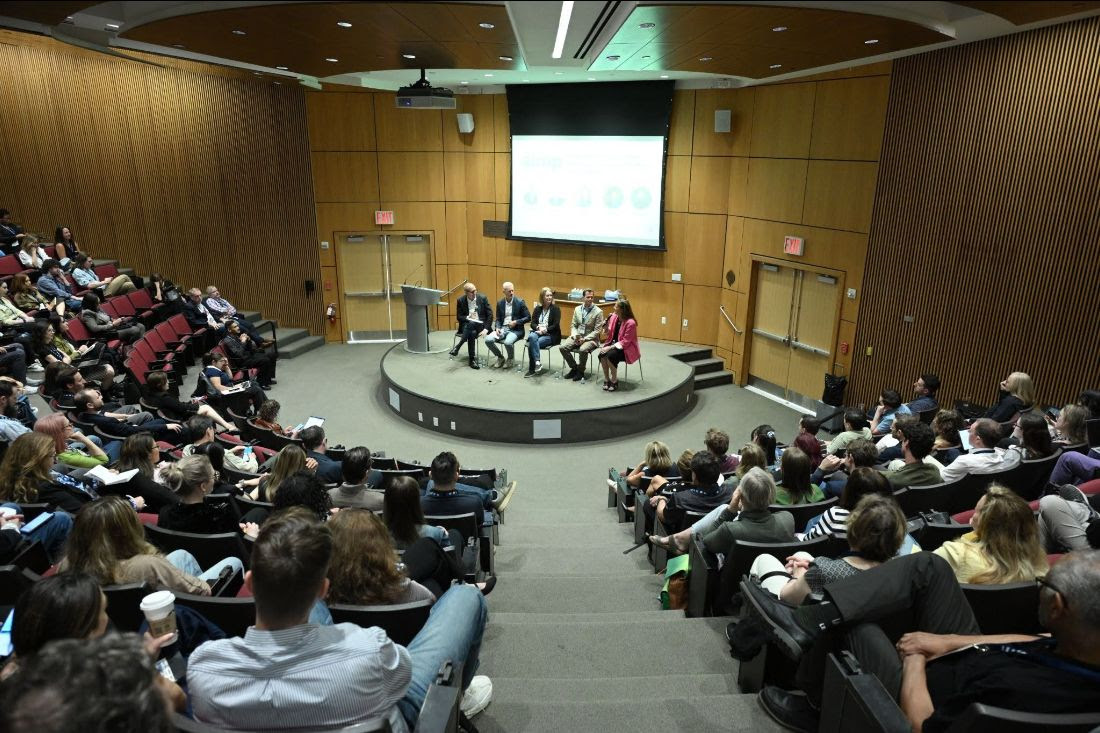
Hosted by the Association of Independent Music Publishers (AIMP), the June 9 gathering at Fordham University’s McNally Amphitheatre brought together a cross-section of the global publishing ecosystem: songwriters, attorneys, rights organizations, tech companies, sync executives, and creative leaders all circling the same set of urgent questions—what happens to music rights, ownership, and creativity in an era increasingly shaped by artificial intelligence and rapidly shifting technology?
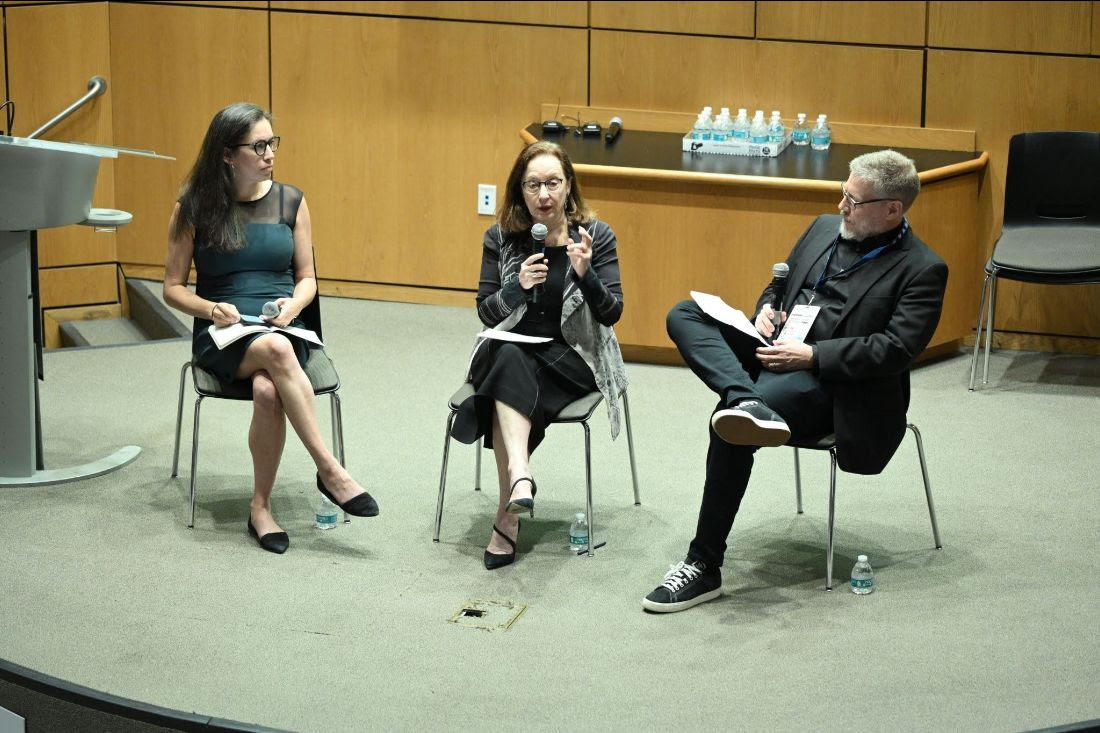
One of the most closely watched moments of the day came during a fireside chat featuring Shira Perlmutter, Register of Copyrights and Director of the U.S. Copyright Office, alongside Emily L. Chapuis, General Counsel and Associate Register of Copyrights, moderated by Art Levy of Songtradr. The tone was measured but direct, reflecting an industry in transition rather than crisis.
Perlmutter emphasized continuity amid disruption, telling attendees the Copyright Office is “very much here, very active, very productive,” and “still dedicated to the mission of promoting creativity,” even as it navigates a landscape defined by legal uncertainty, political pressure, and technological acceleration.
Chapuis expanded on that complexity, pointing to the growing workload around A.I.-generated works, royalty systems, and copyright policy. Her remarks underscored a central tension running through the entire summit: technology is moving faster than the frameworks designed to regulate it, and music is right in the middle of that gap.
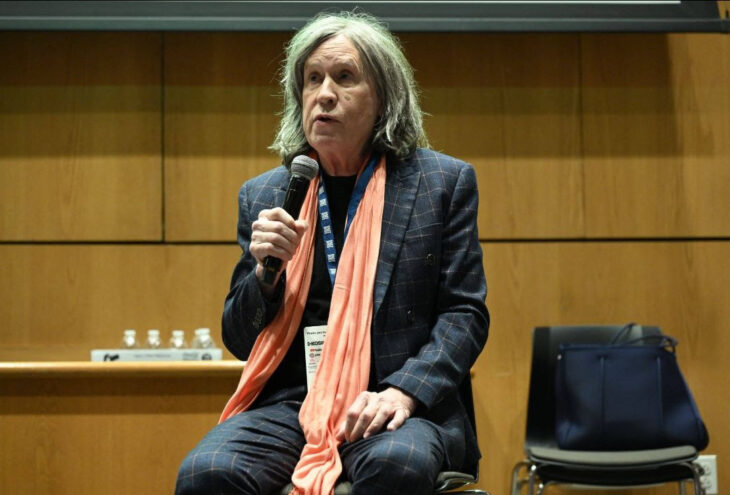
If the policy discussion set the stakes, Glen Ballard brought the human counterweight.
The GRAMMY-winning songwriter and producer—whose credits include Alanis Morissette, Michael Jackson, Dave Matthews, No Doubt, Aerosmith, and Ringo Starr—delivered a keynote that leaned more toward storytelling than theory. Reflecting on decades of songwriting and artist development, Ballard spoke candidly about the role publishers have played in shaping his career, saying, “I wouldn’t be here without a publisher.”
He also revisited the creation of Jagged Little Pill, describing it as “a book of short stories” born from a concentrated burst of writing sessions that would go on to define an era of pop-rock songwriting. Throughout his remarks, Ballard emphasized process over mythmaking—curiosity, repetition, and showing up consistently, even when inspiration is less than cooperative.
Elsewhere across the summit, A.I. emerged as both a tool and a question mark. In sessions focused on practical applications, speakers discussed how artificial intelligence is already being used to streamline catalog management, improve metadata accuracy, detect fraud, and support royalty tracking. The consensus wasn’t utopian or dystopian—it was pragmatic: A.I. is here, but human oversight still matters, especially when money, credit, and creative ownership are involved.
Global publishing markets also took center stage, with panelists from Latin America, South Asia, the Middle East and North Africa, and Africa highlighting how regional ecosystems are becoming major creative and commercial forces. The takeaway was clear: music publishing is no longer centered in a handful of traditional hubs, but increasingly shaped by cross-border collaboration and localized expertise.
A particularly active session titled The State of Sync: Ask Us Anything reflected the industry’s more immediate concerns—pitching strategy, metadata readiness, pricing realities, and how A.I.-generated music is starting to complicate licensing decisions. The advice from panelists was less glamorous but highly practical: clean data, fast response times, and properly cleared rights still win the day.
By the end of the summit, a pattern emerged across every conversation, whether focused on law, technology, or creative process. Despite the speed of change, the fundamentals remain stubbornly consistent: relationships matter, catalog stewardship matters, and long-term creative development still drives the business forward—even in an era increasingly defined by automation.
As AIMP continues to position its Global Music Publishing Summit as a cornerstone event during one of the busiest weeks in the music business calendar, the 2026 edition made one thing clear: the future of publishing won’t be decided by technology alone, but by how the industry chooses to use it.