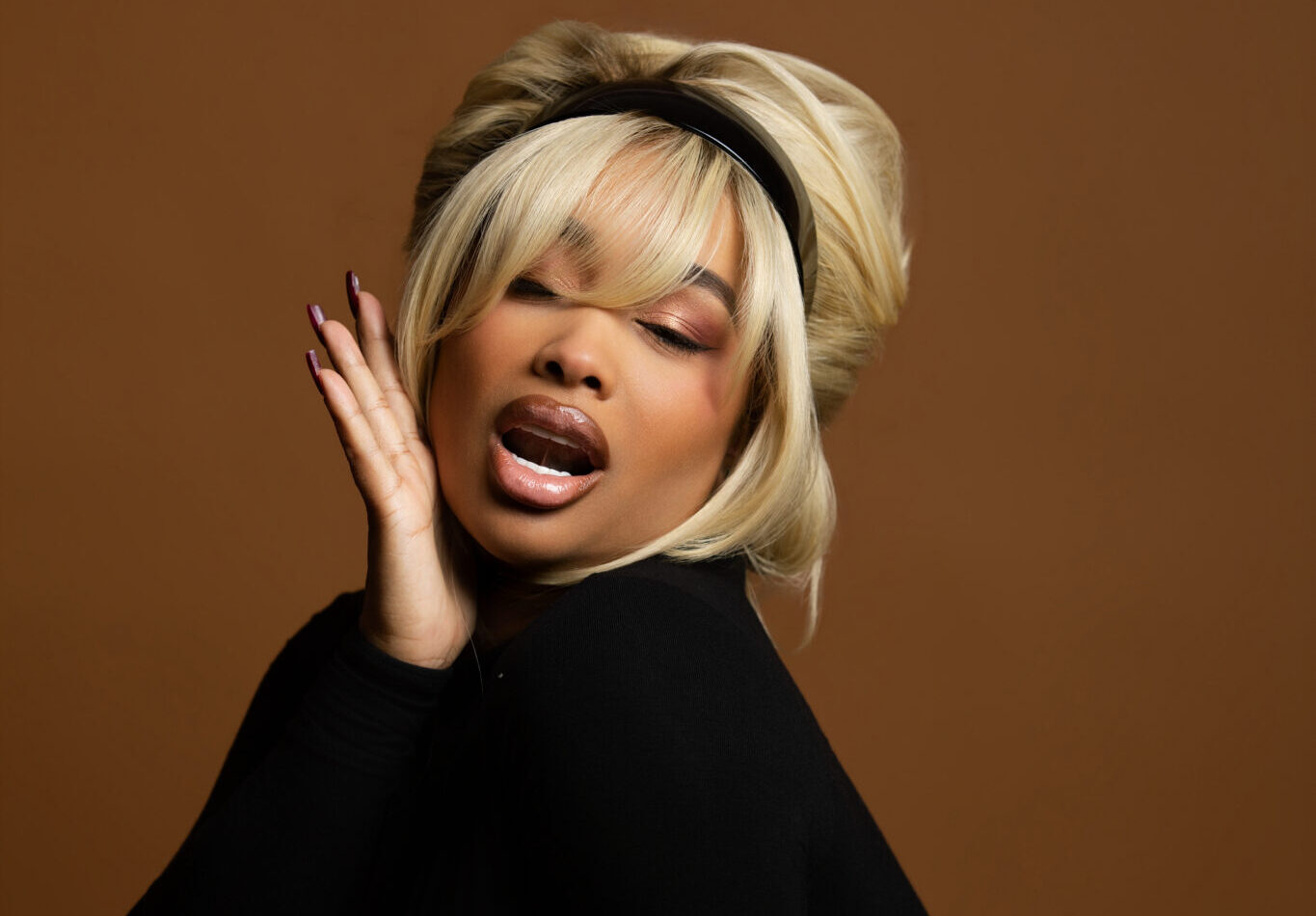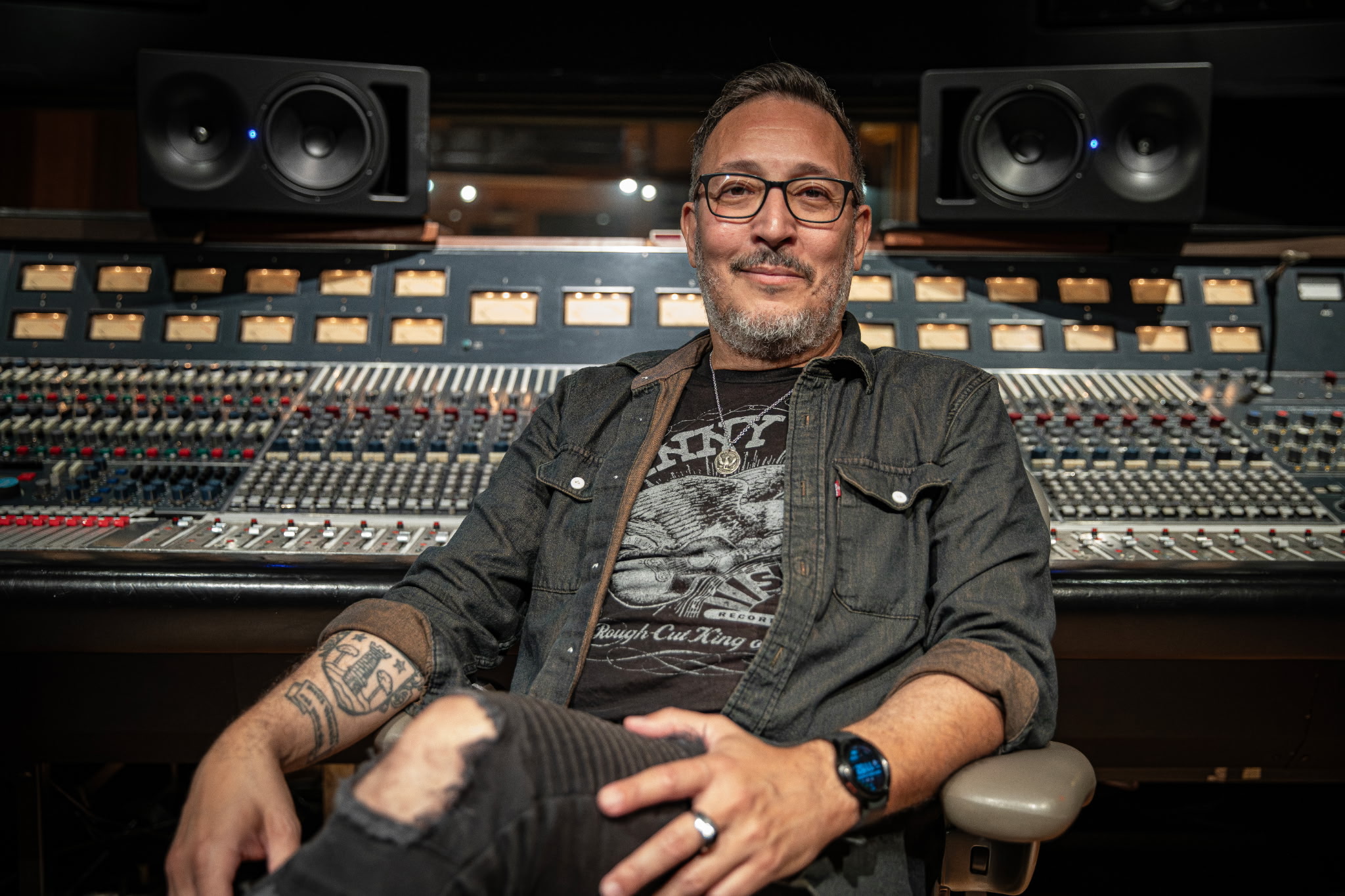
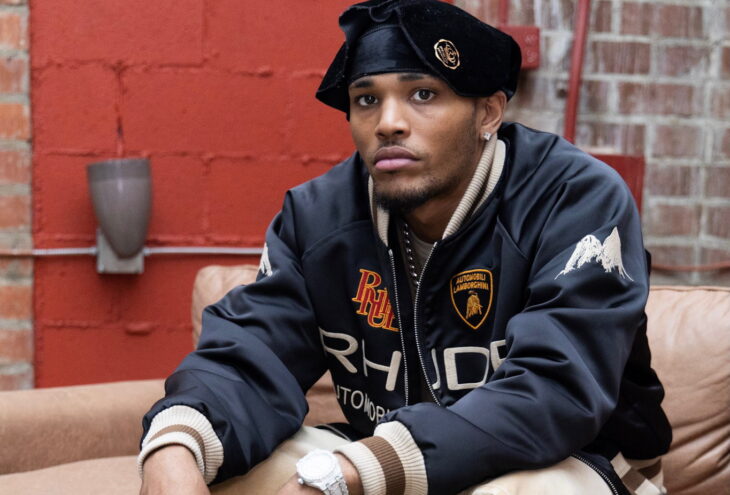
With DreamDoll gracing the cover this month, MC has taken the opportunity to speak to five up-and-coming rappers about the state of the genre in 2026, and much more besides. Hip-hop is still one of the biggest genres on the current music industry landscape, and these artists have provided some eye-opening insights. Read on…
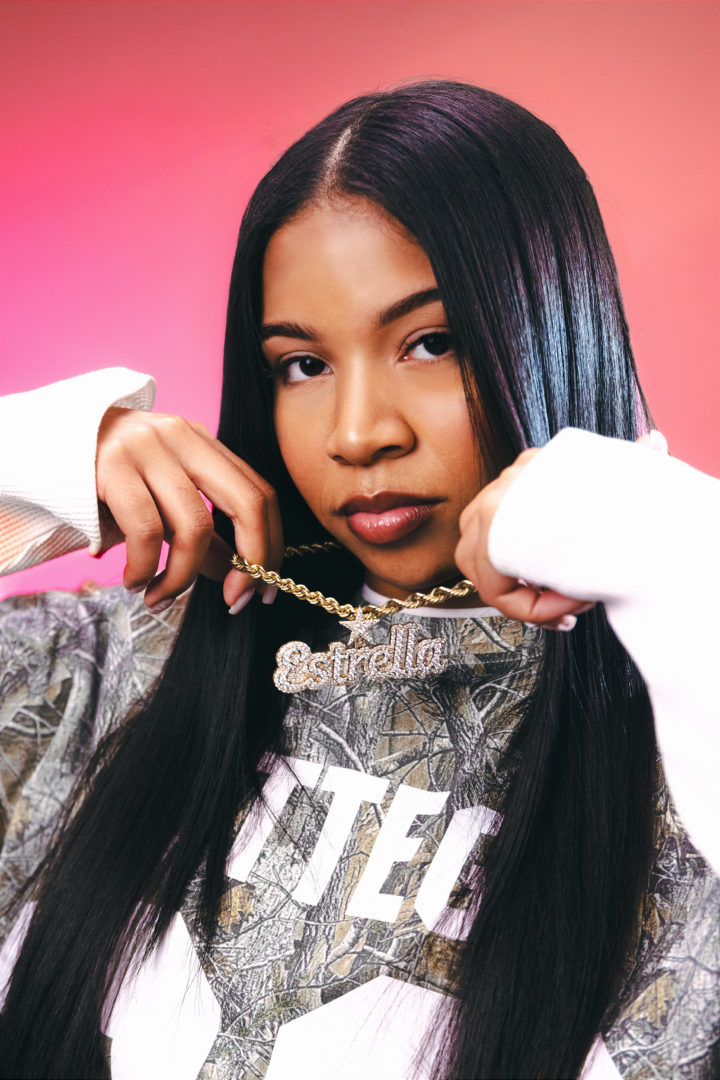
Star Bandz
When did you start rapping and producing music? When did it get serious?
I started rapping when I was 12 years old. It started getting serious for me around 14 because that’s when people really started recognizing me for my music and paying attention to what I was doing.
Describe your sound/style…
My sound and style are catchy, versatile, and unique. I like making music people can feel, but I also make records that stick in your head and bring energy.
Tell us about your most recent release...
My most recent release really shows where I’m at creatively right now. I’ve been focused on leveling up my sound, being more personal in my music, and giving my supporters something they can really connect with.
What are some key pieces of gear and/or tech that you use?
Honestly, I don’t really focus too much on the technical side. As long as it sounds good in the headphones and the vibe is right in the studio, that’s all that matters to me. I just go with the flow and create.
What are the main challenges facing new rappers in 2026?
One of the biggest challenges is making sure you have a presence outside of just music. Social media plays a big role now, and you have to keep people engaged and entertained while still staying true to yourself. You really have to keep putting yourself out there until your name sticks.
What else do you have coming up?
More music on the way, and a lot of new things coming for the supporters. I’m just staying consistent and continuing to grow.
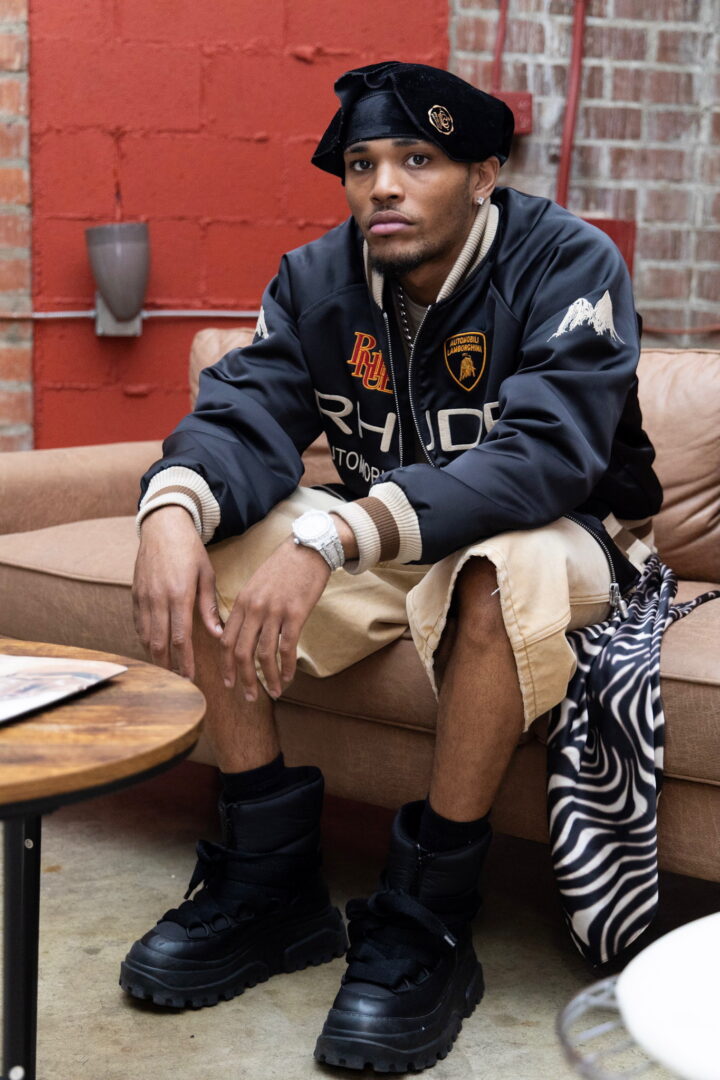
H3adband
When did you start rapping and producing music? When did it get serious?
I started rapping to myself around 2023. But I was still hooping in college at the time so it was more of a side hobby. I started taking it seriously right before the summer of 2025.
Describe your sound/style…
Versatile and Baton Rouge. I’m able to dip into different genres and things but it will always be that Louisiana feeling because of my accent.
Tell us about your most recent release…
I recently dropped a song called “That’s It” and a song featuring DaBaby called “She Can Get It.” I just got off tour with him. I’m planning to put together an album in the near future.
What are some key pieces of gear and/or tech that you use?
My durag is my signature. My favorite app would be [untitled] cause I listen to my unreleased music on there.
What are the main challenges facing new rappers in 2026?
Overcoming others’ differences. It’s easy to just collab with people because you’re a fan of their music but on the flip side, their enemies see you as their enemy now. I think this is the main problem in hip-hop.
What else do you have coming up?
BandBoy the album coming soon. "Dat Sound" remix coming soon, the feature is a surprise. I have a couple visuals coming soon also. BET awards are coming up so I'm excited about that as well.
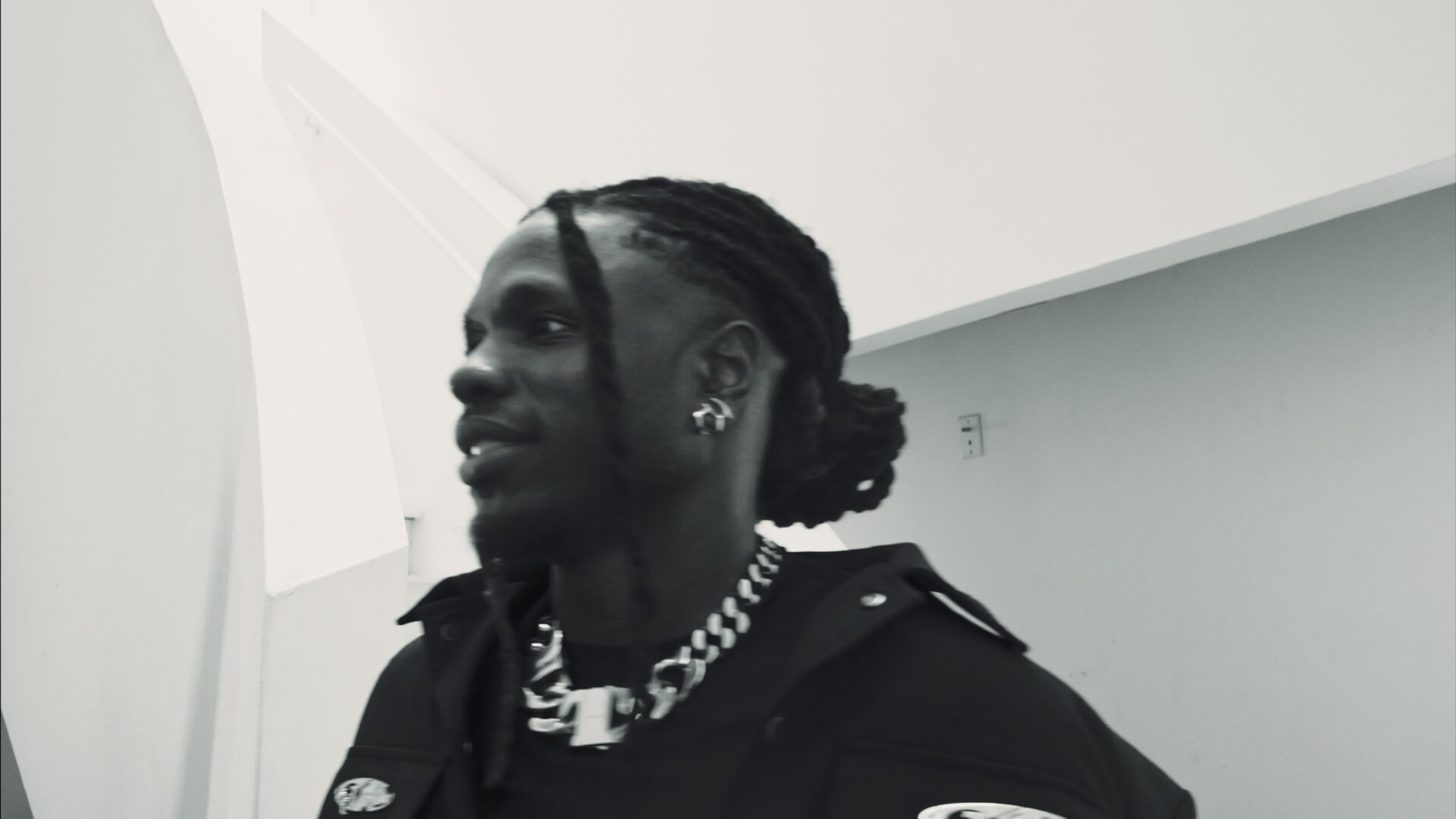
TK The Legend
When did you first start making and producing music? At what point did it become something you wanted to pursue seriously?
I got into music extremely early around five years old. My mom sang in the choir at church and watching her perform was my first real connection to music as something emotional and powerful. At that age, I didn’t understand it as a career yet, I just knew I wanted to sing and create that feeling for people. My childhood gave me a wide musical foundation: growing up in the U.K. exposed me to 2000s pop, R&B, Disney soundtracks, and talented global artists, while moving to PG County, Maryland opened me up to hip-hop, alt-rock, and a deeper R&B culture. At the same time, being Nigerian meant I was constantly around African music, gospel, and traditional music, so before I was even 10, I had absorbed a lot of different musical worlds.
I started actually making and producing music in high school. I had always been performing through choir, various music programs, and bands, but high school was when I began understanding how records were made. Some rappers from church brought me into the studio, and that made me realize I didn’t just want to sing, I wanted to make records.
I think the moment I realized I had to take music seriously was in high school, when I started seeing other kids making songs and actually putting them out on social media. Up until then, music was something I loved and knew I wanted to do, but seeing people my age take the step of recording, releasing, and promoting themselves made it click for me. Nobody was going to magically discover me just because I could sing or because I had talent. I had to take my career into my own hands.
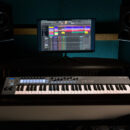
Around junior year, I started a small snow-shoveling business and used the money to buy my first MIDI keyboard, computer, and USB microphone. I was recording on the floor at home, downloading beats, producing in FL studio, and teaching myself the skills I still use today.
Describe your sound/style…
I’ve always been eclectic. I pull from everything I’ve absorbed: pop, R&B, gospel, African music, rock, hip-hop, reggae, classical, jazz, cinematic music, electronic music. Even early on, I write have a rap song, then a rock song, then a pop song, then something more R&B, and people would understand that I was good at all of them, but they wouldn’t always know where to place me. I think that used to confuse people, especially executives, because the industry was more genre-focused at the time. But now, most artists are hybrids in some way. I just came up that way naturally.
The common thread however, is my melodic approach. Whether I’m making something dark, euphoric, heavy, soft, experimental, or direct, you can usually tell it’s me because of the way I approach melody, vocals, and production. I tend to bring a very distinct melodic instinct to everything I do. The artists and icons that I draw inspiration from reinvent themselves over the years. So I learned to compartmentalize my sound into different eras.
For DARKSIDE, the sound is cinematic, heavy, synth-driven, 808-driven, and emotionally intense. There’s a lot of trap and hip-hop influence, a lot of rock influence, and a darker 80s-retrowave atmosphere. The sound of DARKSIDE is all about contrast between a heavy track and melodic vocals.
Tell us about your most recent release...
My mowwwwst recent release is “PERFECT,” which is also the first official collaboration on DARKSIDE. I worked on it with Bloody White, who’s one of my favorite producers, singers, and songwriters.
Emotionally, “PERFECT” sits right in the heart of DARKSIDE. The song itself is about the illusion of perfection, especially in relationships and in the way people present themselves. It’s about being drawn to someone who looks flawless on the surface but is hiding dishonesty, manipulation, and unresolved darkness underneath. There’s a lot of sarcasm in the hook, like calling someone “perfect” while clearly seeing how destructive they are. The song plays with the tension between obsession and resentment, like laughing at the pain while you’re still bleeding from it. The lyrics speak to how fake everything can feel, especially in a world where people curate themselves online while avoiding their real demons.
What are some key pieces of gear and/or tech that you use?
I’m well versed in various DAWs and tools depending on what I’m making, but Pro Tools and Ableton are my current primary DAWs for music recording, mixing, and production. My secret weapon is my Ableton Push. It makes my production process extremely efficient.
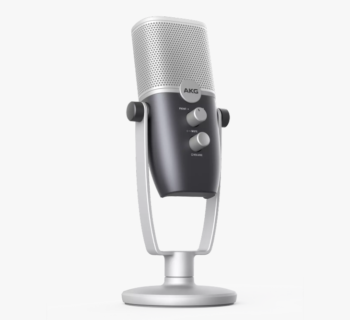
My go-to microphone is the Sony C800, but my at home mic is the Aston Spirit. I’m very hands-on with both the music and the technical side, so my setup has to move fast between recording, producing, streaming, and editing. For this, I’ve recently added an Elgato Stream Deck XL and this has helped expedite my creative processes with a ton of scripts and shortcuts.
I’m big on building chains that let me capture ideas quickly without killing the emotion. The less friction between the idea and execution, the better.
As an artist who moves across genres, what challenges do you think emerging artists face when trying to build their own lane in 2026?
I think one of the biggest challenges for emerging artists in 2026 is that music is more open than ever, but also more crowded than ever. You can make any kind of music, blend genres, build visuals, reach fans directly, and create an entire world from your laptop, but because everyone has access to the same tools, it’s harder to make people understand why they should care.
Artists are also expected to be much more self-sufficient now: songwriter, performer, content creator, marketer, strategist, community builder, entrepreneur, the CEOs of their own companies. That can be empowering, but it can also be exhausting.
You need strong identity, strong visuals, strong songs, and a reason for people to care beyond one viral moment. Talent alone isn’t enough. You have to build a language around your art so people know how to follow you.
For artists who move across genres, that challenge is even bigger because the industry “wants originality” but still rewards clear boxes. So, the real challenge is creating clarity without sacrificing complexity. You don’t have to make the same song forever, but you do have to build an identity strong enough for people to trust you across different sounds.
The bright side is that audiences are more open-minded than the industry gives them credit for. That’s why worldbuilding matters to me. If the genre changes but the world, narratives, emotions, and atmosphere stay consistent, people can still recognize you.
What else do you have coming up?
The next major thing is the full expansion of DARKSIDE, starting with the DARKSIDE Deluxe. The deluxe is a chance to make the project feel bigger, bring more people into the world, and create the kind of moment that DARKSIDE deserves. There are major features and collaborations coming, not just musically, but across the entire universe of the project. I’m also working on merch collaborations with some top brands, which is exciting because DARKSIDE has always had a strong visual and fashion identity.
Beyond the music, I’m continuing to build out the cinematic side of the project. DARKSIDE has a narrative, a world, and a visual language, so I’m developing that through a short film, more visuals, live performances, and immersive experiences that make people feel like they’re stepping into the world instead of just listening to a release.
I’m also continuing to build Eternal Garden, which is the larger universe a lot of my ideas connect back to.
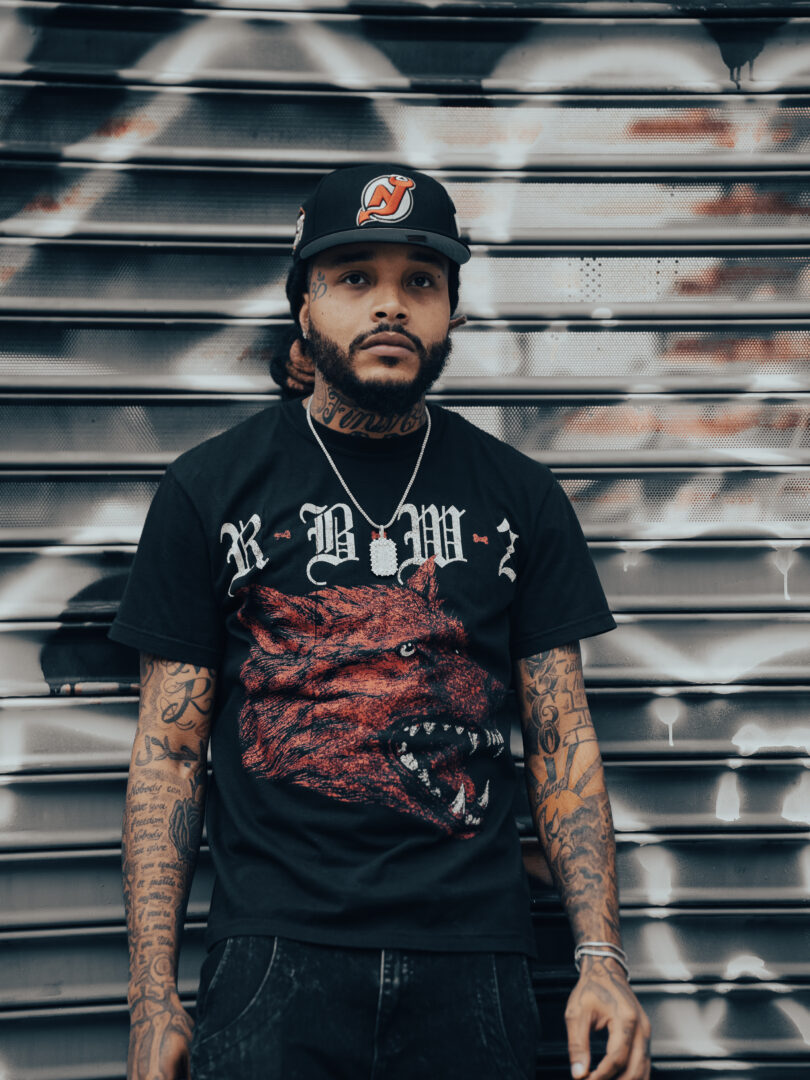
YoDogg
When did you start rapping, and/or producing music?
I started writing raps super young, probably around seven years old. I started recording myself around 11 or 12, then around 13 or 14 I started going to a real studio. That’s when I’d say it became serious for me—dropping mixtapes on LiveMixtapes and Spinrilla, shooting real videos, and really trying to build something.
From about 14 to 25, I was just grinding nonstop until I eventually ended up getting my deal with Epic.
Describe your sound/style…
My sound is smooth, cool, and grungy at the same time, but still high-class. It’s intellectual money-getting, woman-getting street music, in my opinion lol.
My music is really just a representation of me. It’s very life-experience driven—from the way I dress to my tattoos. It’s all connected through the same aesthetic I want to push. I like showing people that you can be more than one thing at once. You can be street, fashionable, and artistically inclined all at the same time.
You don’t have to box yourself in. You can be Kanye and Nipsey at the same time.
Tell us about your most recent or upcoming release...
I have a new single coming out called “Cameras” produced by DunDeal & Cardo Got Wings. It’s an up-tempo club/party record, something the ladies can enjoy for sure. It also got that grunge element to it where the guys can vibe with it too. In the era we’re in, your phone, your camera is everything—so mixing that with something the women can dance to feels like it’s going to be a home run. I can’t wait to drop it.
What are some key pieces of gear and/or tech that you use?
My favorite microphone personally is the Neumann U48, I feel like I sound the best on it. You can plug it into any interface. If I’m in studio, the Sony C800, that’s the best for sure.
As far as tech I’ll share a plug in I use, it’s called Echo-Boy. I love how it delays your vocals and how you can manipulate the pitch
and other things. I love doing pitch drops so I use that a lot.
What are the main challenges facing new rappers in 2026?
I would say the internet is probably the biggest challenge facing new rappers right now. There was a time when it felt like the internet had room for every type of artist. Now it feels more like a competition over who can get the most followers, subscribers, and viral moments.
You can be amazing at your craft, but if you don’t naturally know how to clickbait, trend chase, or constantly go viral, it becomes way harder to break through. Meanwhile, someone way less talented can get opportunities simply because they understand the algorithm better than the music itself.
What makes it even tougher is that independent artists aren’t just competing against other rappers anymore—they’re competing against influencers, streamers, comedians, and every other form of online entertainment fighting for attention. Back then, it felt like if you were truly talented, eventually the right person would hear your music and give you a shot. Artists like J. Cole and Kendrick Lamar didn’t become stars because they were viral every week. They became who they are because the music was undeniable and the right people believed in them early.
That path feels almost obsolete now. Today, unless you go viral or already have connections to someone famous, there’s a real chance people may never even discover your talent. Even artists taking a more authentic independent route, like Larry June, are fighting uphill because attention has become the real currency.
What else do you have coming up?
I plan to drop another single or two, then I’m releasing a project. I’m in the lab everyday just sharpening my sword, making sure this is my best full body of work thus far. I want that to be abundantly clear from the rollouts, to videos, to marketing, production, and lyrics. I’m really treating this project as if I’m a new artist and this is everyone’s first time hearing me. I’m going to have a lot of different things coming for the rest of the year, they better get use to seeing me!
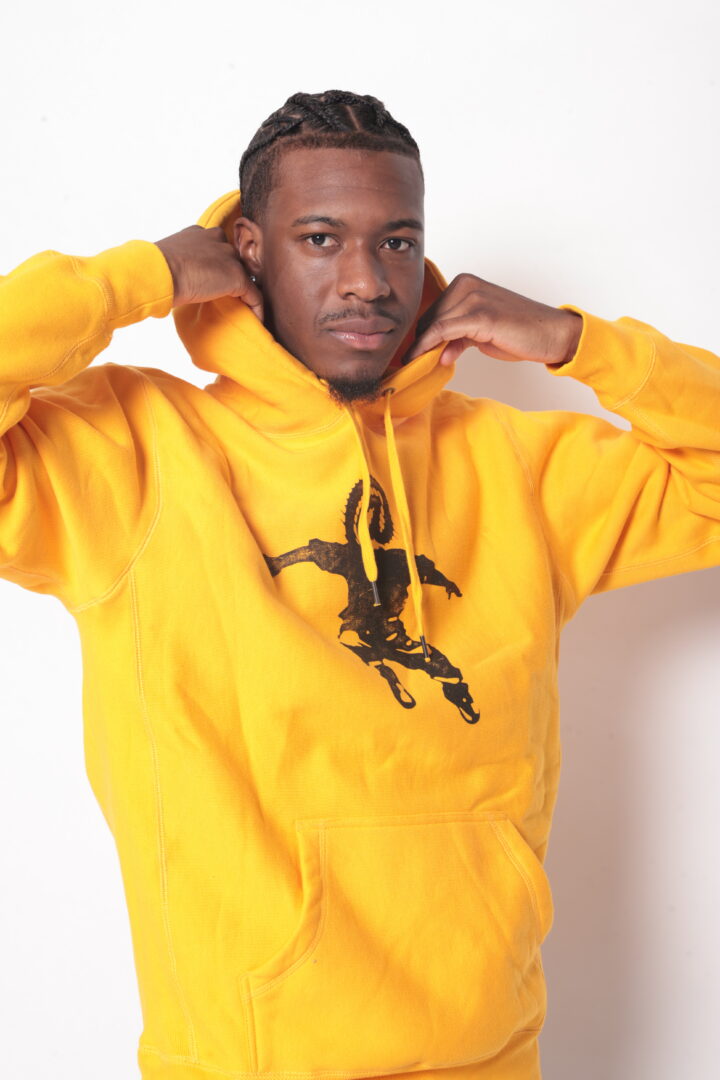
Zeddy Will
When did you start rapping, and producing music? When did it get serious?
I started rapping in 2022. I would say that I started taking it seriously around 2024 after dropping “Cha Cha.” That was when things went to a whole new level.
Describe your sound/style…
I would say my sound is fun, high-energy, and in my own lane. In a time when most music is about doing drugs, sex, and money. I make fun party music that gets you moving and dancing.
Tell us about your most recent release...
“Party At The Beach.” The song samples Janelle Monae’s song “Yoga.” Someone on TikTok already produced the beat. I reached out to the producer and asked to be on the beat. Janelle is on the song. I only added a few words and ad-libs to it, and it got 10 million views on TikTok on the first day.
What are some key pieces of gear and/or tech that you use?
I have two things. The first: the Shute SM7. It was the first mic I got in 2022. The second: BandLab. That software changed my life. At times when I couldn’t go to the studio, I was making music that’s out right now on that software.
What are the main challenges facing new rappers in 2026?
This is a struggle for lots of artists today, and it’s finding another song after having a massively successful one and not living too much on the moment of that one record. The music industry is a business. Once that song is gone, you have to have another one, or you’re done. TikTok makes you seem like a superstar; it can get you booked, seen everywhere, or picked up for a movie or video game soundtrack. But people don’t understand that you need a follow-up song ready to go.
What else do you have coming up?
I just got off DaBaby’s Be More Grateful tour. I’ll be doing a lot of shows this summer and hopefully do more festivals. The biggest thing coming up is having my own set at Summer Jam. I was brought out last year by Jim Jones on his set at Summer Jam, so I’m really looking forward to having my own set.