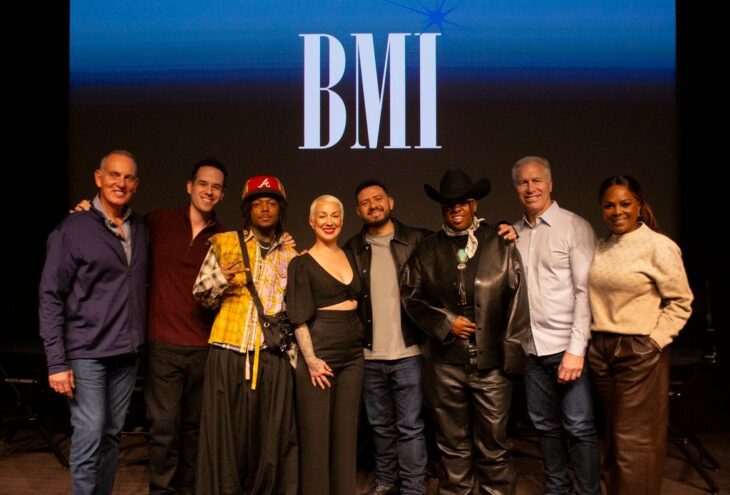
BMI’s GRAMMY edition of its long-running How I Wrote That Song® series turned a West Hollywood ballroom into something closer to an open studio session, where chart-toppers and future classics were unpacked with the kind of candor usually reserved for late-night writing rooms. Held at The London West Hollywood, the event gathered an eclectic mix of 2026 GRAMMY-nominated songwriters and producers whose collective credits span pop, hip-hop, country, Latin, R&B, and gospel.
“It was an honor to sit down with such a talented group of BMI GRAMMY-nominated songwriters and producers for our signature How I Wrote That Song® series,” said BMI’s VP, Creative, Catherine Brewton, who led the discussion. “Hearing the behind-the-scenes stories of how some of today’s biggest hits and iconic collaborations came to life, and the conversations—and laughs—that came out of this panel, was a powerful reminder of how music connects us all," she continued, emphasizing both the artistry and the shared humanity behind the music.
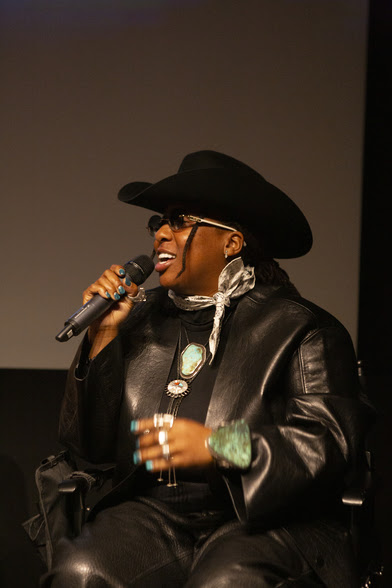
INK offered one of the night’s clearest mission statements, telling the crowd that “melody is everything to me,” a philosophy that has guided collaborations with artists as varied as Kendrick Lamar and Beyoncé. She described meeting Beyoncé as both intimidating and surreal, yet credited a return to busking on a street corner—stripping everything back to voice and instinct—as the creative reset that helped her refocus before contributing to releases like “16 Carriages” and “Texas Hold ’Em.” Her approach underscored a recurring theme of the evening: even at the highest levels of the industry, the work often circles back to raw fundamentals.
Laura Veltz’s story of co-writing BigXthaPlug’s “Long Nights” illustrated how inspiration doesn’t always arrive through formal channels. She first encountered his music not through playlists or label meetings, but at her son’s little league baseball games, where his tracks blared during walk-ups. A pitched hook later, the collaboration materialized, with BigX shaping his verses around her melody. Veltz later described his album I Hope You’re Happy as “revolutionary,” a word that felt less like hype and more like genuine admiration from a writer who recognized a cultural shift when she heard one.
For Edgar Barrera, genre-blending isn’t a calculated move, it’s identity. Reflecting on the global success of “Unx100to” with Grupo Frontera and Bad Bunny, he spoke about growing up on the U.S.–Mexico border and seeing music as a bridge rather than a boundary. “I always saw myself as this border kid that could connect genres,” he shared, a perspective evident in his work that seamlessly threads Latin rhythms into mainstream pop collaborations with artists like Camila Cabello and Ed Sheeran. His anecdotes reinforced how cross-cultural storytelling has become less of a trend and more of a defining feature of modern hits.
Rogét Chahayed’s recollection of crafting the foundation for Doja Cat’s “Kiss Me More” highlighted the thin line between rejection and ubiquity. Leaning into his jazz background and a classic 2-5-1 chord progression, the track initially faced multiple passes before a simple tempo adjustment transformed it into one of the most recognizable pop grooves of its era. His takeaway resonated with the aspiring creators in the room: “You never know what your winning lottery ticket will be.” It was a sentiment echoed repeatedly—the idea that persistence often matters more than precision.

JID brought the conversation into the digital age, discussing how bringing 21 Savage onto “Surround Sound” expanded the narrative scope of the track, but acknowledging that its explosive popularity came from TikTok’s “Ceiling Challenge,” not marketing spend. “You never know when a song will go viral… it’s something a label can’t pay for. It’s gotta be organic,” he said, framing virality as lightning in a bottle rather than a guaranteed outcome. He also spoke thoughtfully about sampling icons like Aretha Franklin, describing it as stewardship—carrying forward sounds that younger audiences might otherwise never encounter.
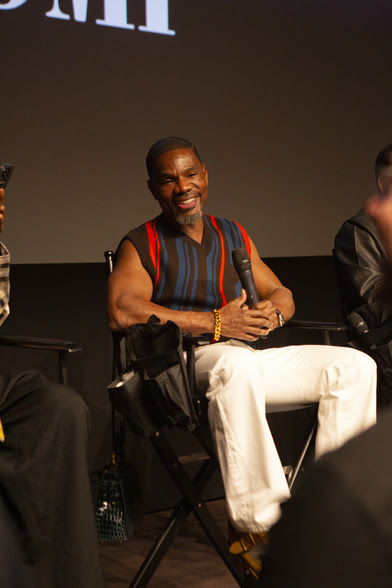
One of the evening’s most memorable moments arrived unannounced when gospel legend Kirk Franklin took the stage. His reflection on writing “I Smile” was disarmingly grounded, recalling melodies forming during everyday routines like dropping his kids off at school. He spoke about humility, vulnerability, and the importance of staying open to critique, noting that a “built-in church audience” keeps him accountable in ways awards never could. The surprise appearance served as both a spiritual and creative coda to a night already rich with perspective.
The event wasn’t just about the résumé-level accomplishments of the panelists, but, for fans, it offered a rare glimpse at the scaffolding behind the soundtrack of the past few years, revealing that even the most polished records often start in uncertainty before finding their shape.